


Ancient Molecule Found in a 40,000-Year-Old Mammoth Pushes Extinct Species Closer to Genetic Revival
Researchers have successfully recovered intact RNA molecules from a woolly mammoth that died nearly 40,000 years ago in Siberia. It is the oldest RNA ever sequenced from an extinct vertebrate—and the first time scientists have isolated it from a mammoth.
The find reshapes what researchers thought was possible in ancient genetic preservation. RNA is notoriously unstable and was long believed to degrade completely within hours or days after death. Yet deep within the thawing permafrost of northeastern Siberia, a juvenile mammoth’s tissues defied expectations.
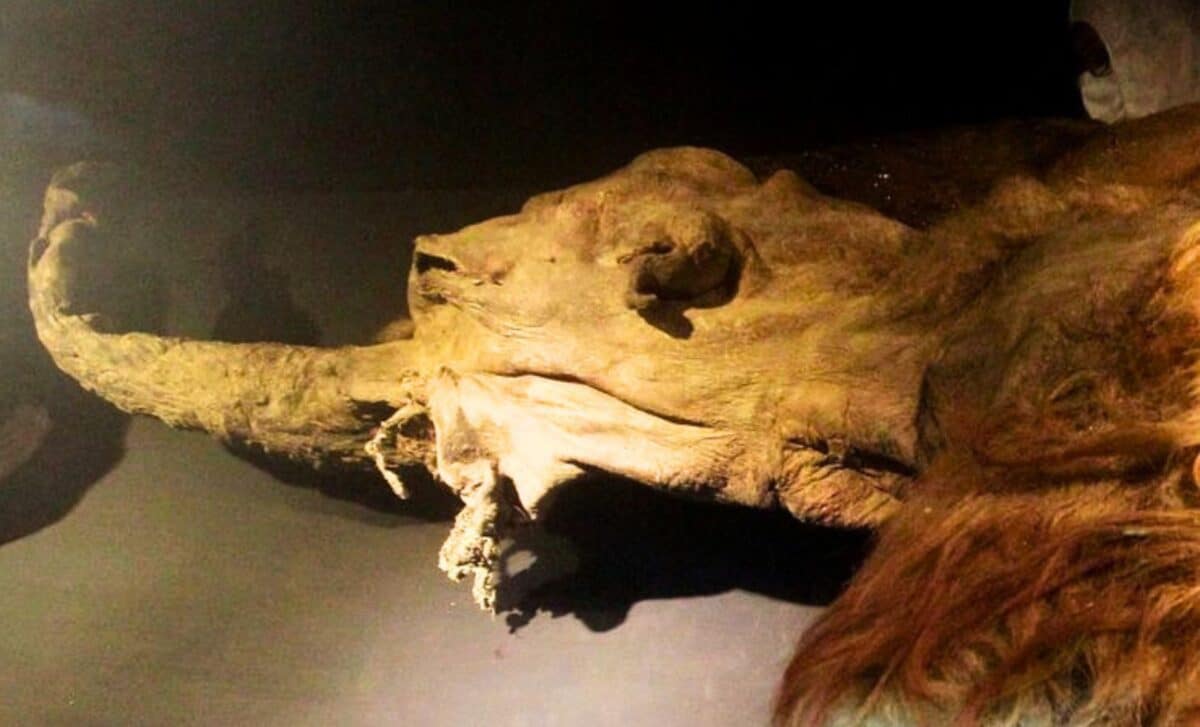
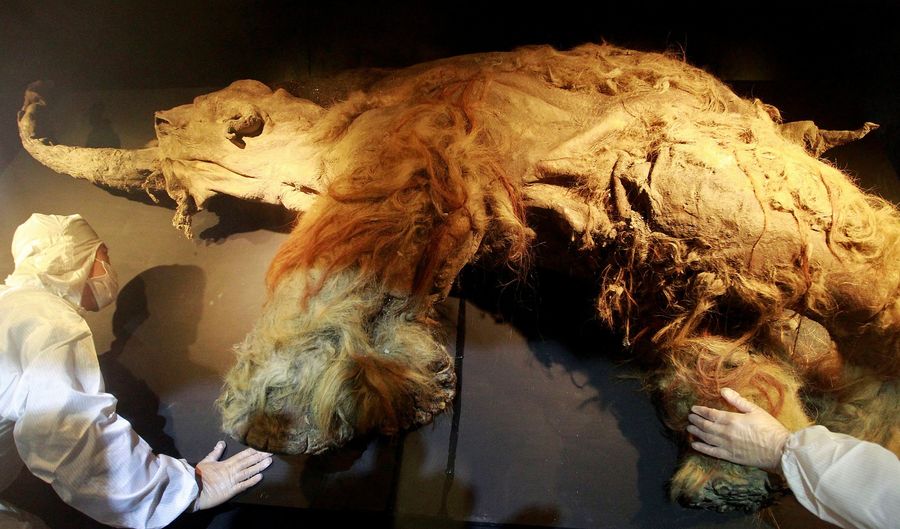
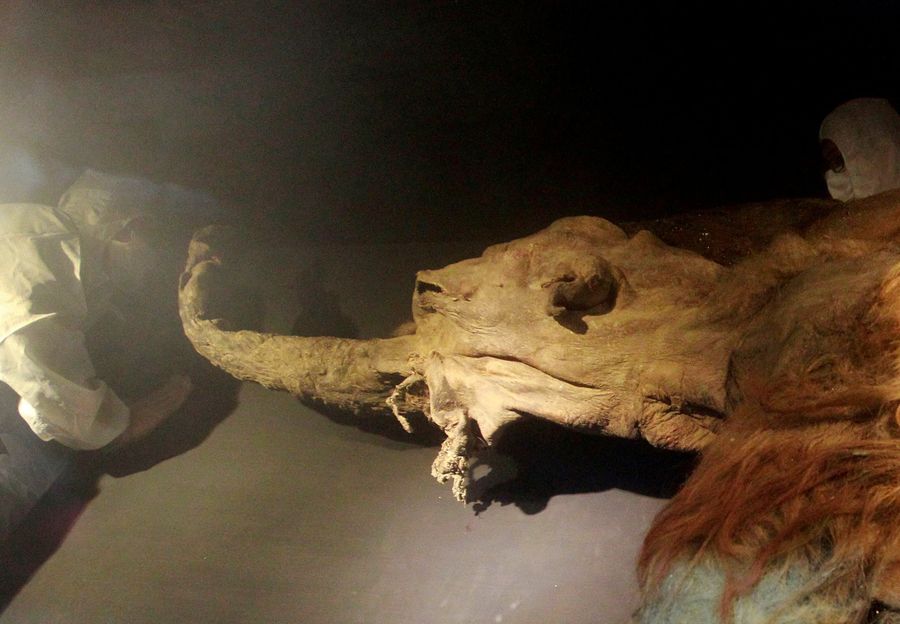
Recovered from a remarkably preserved specimen nicknamed Yuka, the RNA was extracted from muscle tissue—offering a window into the genetic activity in the animal’s final hours. More than a historical curiosity, the discovery could accelerate research into extinct animal traits, including those now central to de-extinction efforts.
Ancient RNA Breaks the Rules
Until now, ancient RNA recovery had been limited to relatively young or exceptional cases—such as a 5,300-year-old European ice mummy or 130-year-old museum-preserved Tasmanian tiger tissue. The previous record for oldest RNA came from a 14,300-year-old canid discovered in Siberia. Yuka’s RNA is nearly three times older.
“It’s so amazingly surprising to find RNA that is 40,000 years old. Nobody really thought this was possible,” said Marc Friedländer, a computational biologist at Stockholm University, in comments to GB News.
The sample was taken from Yuka’s hind leg. RNA fragments identified by the team were linked to genes involved in muscle contraction and metabolic stress—a finding that suggests the animal was in physical distress in the moments before it died. According to the research, the mammoth had likely suffered trauma, possibly from a cave lion attack, supported by deep scratch marks found on its body.
Yuka was discovered in 2010 by indigenous Yukagir hunters along the Siberian Arctic coast. Permafrost preserved much of its anatomy, including reddish fur, intact brain tissue, and pink muscle—making it one of the best-preserved mammoths ever recovered.
A Genetic Identity Shift
The RNA analysis also corrected a long-standing misidentification. Yuka had previously been classified as female based on external morphology. But DNA and RNA sequencing confirmed the mammoth was genetically male, overturning years of interpretation.
“I have been around long enough to know that these things happen,” said Love Dalén, an evolutionary geneticist at Stockholm University, in remarks cited by GB News. He attributed the original error to incomplete preservation and damage to the genital region.
The research team also uncovered previously unknown microRNA molecules—tiny, non-coding sequences that play a role in regulating gene expression. These microRNAs had not been observed in any living species, suggesting they may be unique to mammoths or closely related elephants, according to Dr. Emilio Mármol, a lead author of the study quoted in the Daily Mail, via GB News.
Decoding Traits, Tracking Ancient Viruses
While the recovered RNA does not directly support cloning or the re-creation of extinct species, it does offer new genetic insights that could inform future efforts. For example, researchers now believe ancient RNA could help decode how traits like fur density, thermoregulation, and fat storage were activated in Ice Age megafauna.
“RNA profiles from mammoths could in the future tell us how certain traits, like mammoth hair, were controlled genetically,” Dalén explained to GB News.
This finding could aid synthetic biology projects, including those pursued by firms like Colossal Biosciences, which aims to engineer mammoth-like characteristics into modern elephants for ecological restoration.
There’s also a growing interest in what ancient RNA might reveal about long-extinct viruses. Since RNA is the genetic basis of viruses like influenza and coronaviruses, researchers believe these same techniques could uncover Ice Age viral genomes embedded in frozen tissues.
Although Yuka showed no signs of active viral infection, the study’s co-author Love Dalén told National Geographic that other permafrost specimens could harbor pathogens that help trace the evolution of RNA viruses, including Ebola-like or zoonotic strains.
“If you’re investigating a specimen that has a relatively high viral load in the tissue, we should be able to isolate those RNA viruses,” Dalén said.
Permafrost Is Thawing Faster Than Science Can Catch Up
As climate change continues to accelerate the thawing of Arctic permafrost, scientists expect to find more well-preserved Ice Age species. Already, frozen carcasses of saber-toothed cats, prehistoric birds, and other megafauna have surfaced—each a potential molecular time capsule.
This latest mammoth discovery demonstrates that RNA, once thought too fragile to survive past a few decades, may in fact endure under the right conditions for tens of thousands of years. The implications are not limited to mammoths or even extinct species—it’s a shift in how scientists think about genetic decay, preservation, and the biochemical signature of death.
With each new excavation, researchers are gaining tools not just to study how life looked in the past—but to learn what it was doing at its final moment. The ability to read an extinct creature’s gene activity opens new territory in forensic paleogenomics.
More technical details on RNA recovery methods and molecular degradation timelines are discussed in related work published in Oxford Academic’s MBE journal and previous preservation studies in ScienceDirect.
First Appeared on
Source link






