


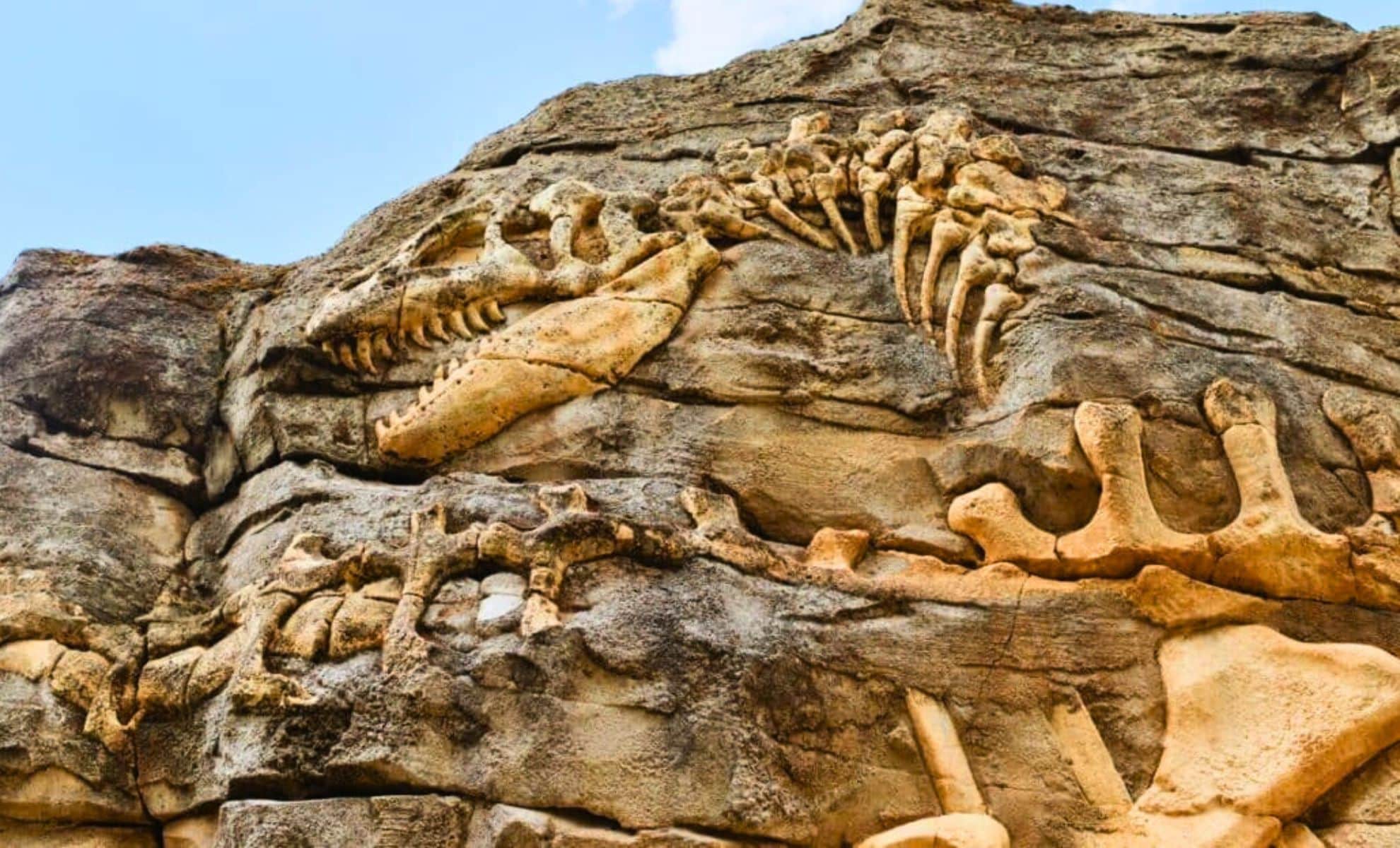
A 92-Foot Dinosaur Was Unearthed by Accident in China—And It Might Be the Largest of Its Kind Ever Found
A colossal dinosaur fossil discovered in southern China is shaking up what paleontologists thought they knew about dinosaur size and evolution. Named Tongnanlong zhimingi, the newly described species may have stretched up to 92 feet (28 meters) from head to tail, placing it among the largest land animals to ever walk the Earth.
The remains were first excavated in 1998 during construction work in the Tongnan District of Chongqing, a region within the Sichuan Basin—a geological hotspot for dinosaur fossils. But only recently have scientists published a full analysis in the peer-reviewed journal Scientific Reports, revealing just how significant the find really is.
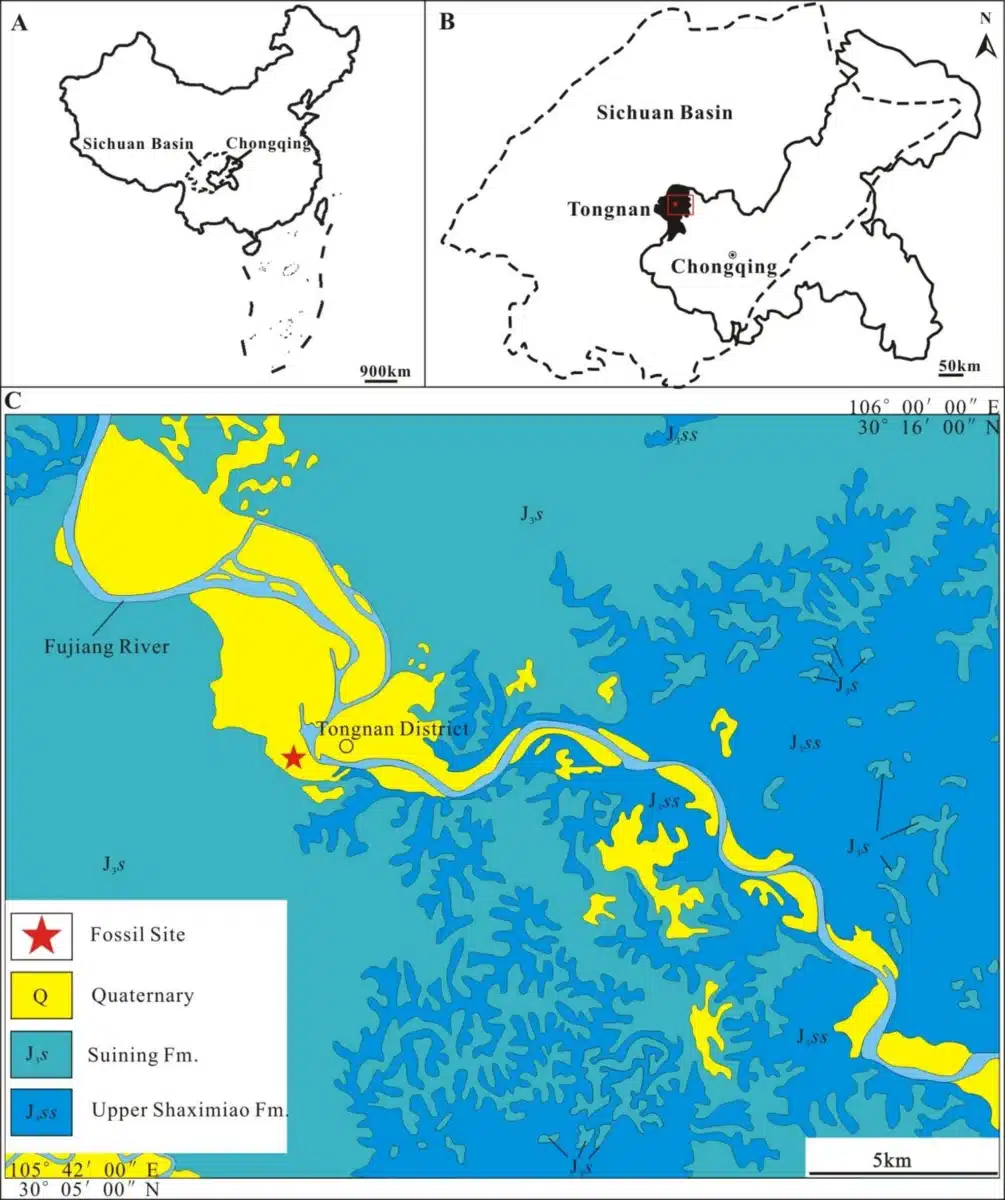
The fossil includes parts of the shoulder girdle, hindlimbs, tail, and vertebrae—enough to confirm that this massive herbivore belonged to the Mamenchisauridae, a family of sauropods known for their extraordinarily long necks and pneumatic (air-filled) bones.
With a shoulder blade longer than any previously recorded for its group, Tongnanlong likely represents the largest known mamenchisaurid, offering new clues into how these prehistoric giants evolved and spread.
Fossil from a Lakeshore Ecosystem Reveals a New Jurassic Giant
The Tongnanlong skeleton was found embedded in the Suining Formation, a Late Jurassic sedimentary layer estimated to be about 147 million years old. The rock profile suggests the animal lived near a lakeshore in a semi-arid environment, where periodic flooding may have helped preserve carcasses quickly under layers of fine sediment.
The holotype includes:
- Three dorsal vertebrae
- Six caudal vertebrae
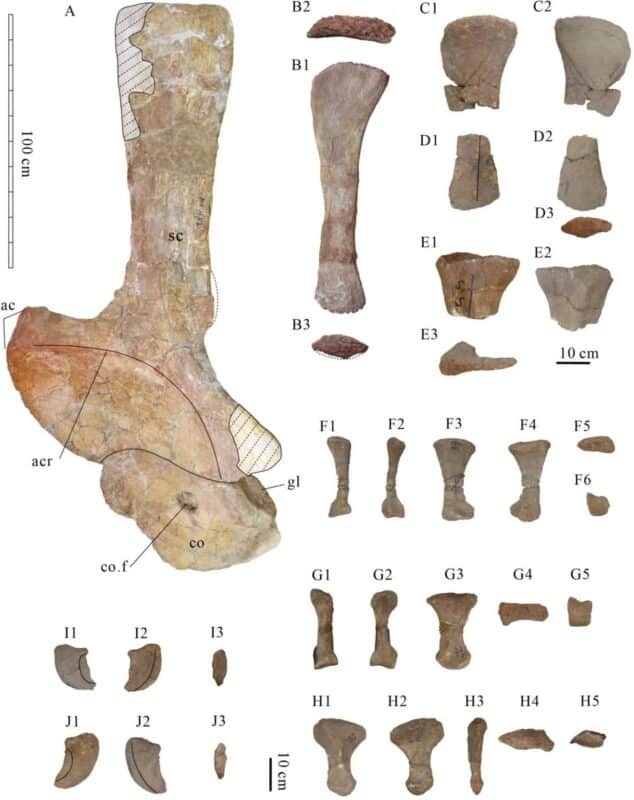
- A complete scapula and coracoid
- Parts of the tibia, fibula, metatarsals, and claws
These bones show defining traits of the mamenchisaurid lineage: long, lightweight vertebrae, deeply excavated by air sacs, and complex ridges for added skeletal support. This biological framework allowed sauropods to support enormous bodies without being crushed under their own weight.
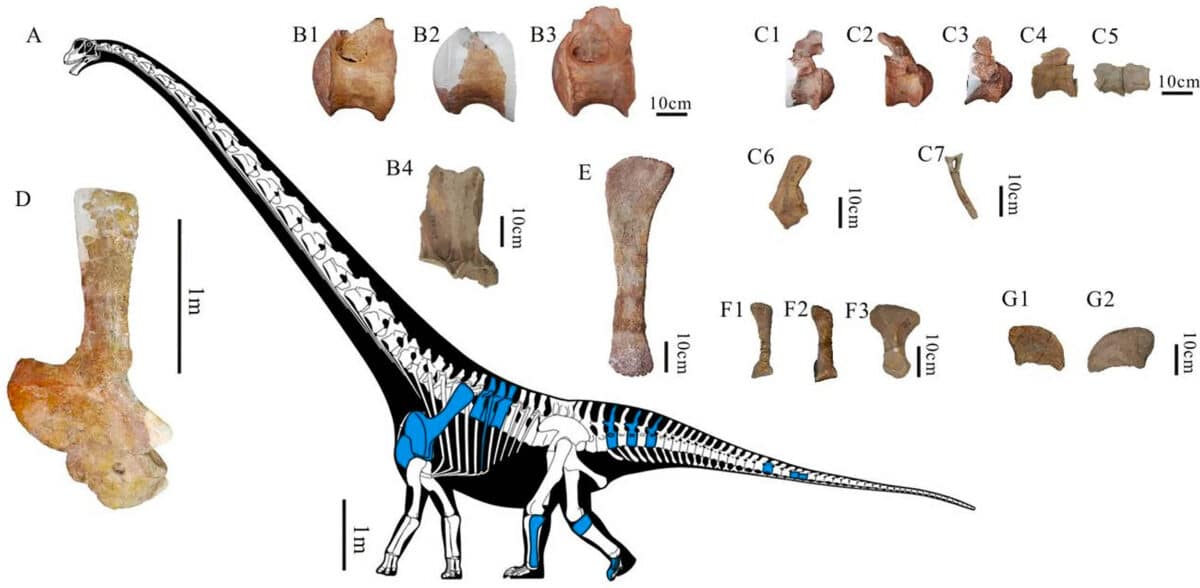
Researchers estimate its total body length between 23 and 28 meters, depending on how it compares with better-known relatives like Mamenchisaurus youngi or Omeisaurus tianfuensis. In the most conservative model, Tongnanlong still ranks among the largest Jurassic dinosaurs in Asia.
The massive shoulder blade—measuring over 1.8 meters—sets a new record among known mamenchisaurids. That feature, along with several unique bone structures, was key to identifying Tongnanlong as a distinct species.
Challenging Dinosaur Migration Theories with Fossil Data
For years, scientists debated whether East Asia’s dinosaur populations were isolated during the Jurassic. The theory—known as the East Asian Isolation Hypothesis—proposed that the region’s dinosaur fauna evolved independently, separated by rising seas and shifting landmasses.
The distribution of mamenchisaurid fossils now tells a different story.
Tongnanlong zhimingi, like other sauropods found in Africa (Wamweracaudia keranjei from Tanzania), shows that this group was likely more widespread than previously believed. Its anatomy shares features with other Late Jurassic sauropods outside East Asia, suggesting continental connections were still intact at the time.
In their study, the research team concluded that Mamenchisauridae was “distributed globally in the Late Jurassic rather than an endemic fauna which was previously considered limited to East Asia.” You can explore the full data set and anatomical analysis via the original research publication.
That view reshapes how paleontologists understand Jurassic dinosaur ecosystems—highlighting a more interconnected prehistoric world, where species may have migrated or shared common ancestors across now-distant continents.
How Evolution Built a Dinosaur This Massive
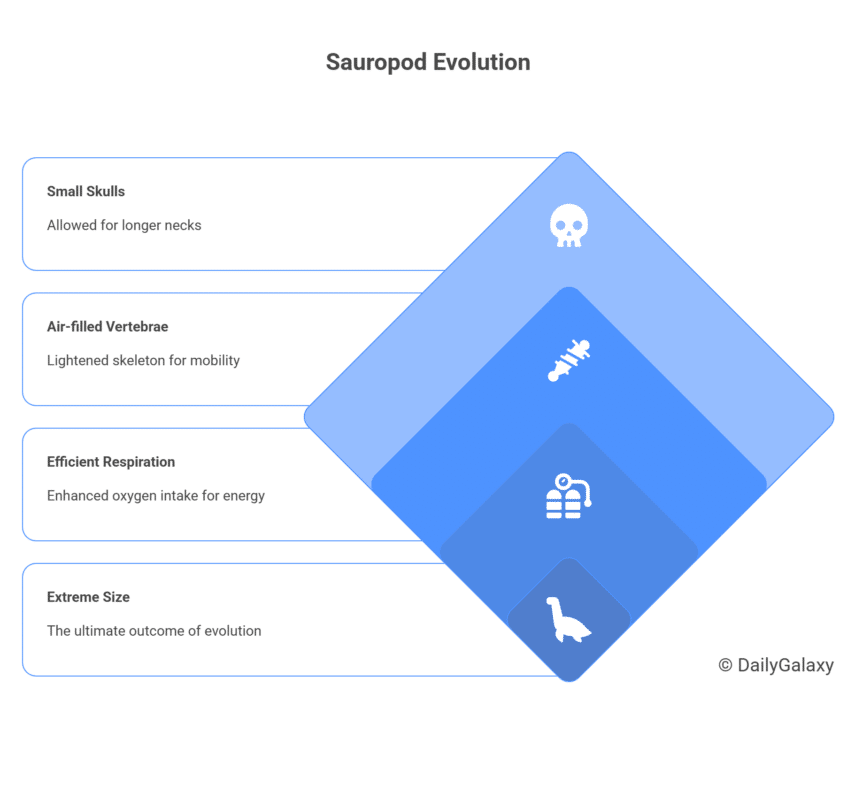
Size like this doesn’t happen by accident. Sauropods evolved a suite of specialized features that supported extreme body lengths:
- Small skulls allowed for longer necks
- Air-filled vertebrae lightened the skeleton
- Efficient respiratory systems—possibly similar to modern birds—made oxygen intake more effective
Each of these traits unlocked the potential for greater size, creating an evolutionary cascade that allowed species like Tongnanlong to keep growing.
The fossil’s anterior caudal vertebrae, for example, are strongly procoelous (concave in front), a design that supports massive tails used for balance. Its dorsal vertebrae contain complex internal cavities and bifurcated neural spines—hallmarks of advanced weight-bearing adaptations in sauropods.
Size also comes with trade-offs. Massive herbivores require abundant plant matter and large, stable habitats. The environment preserved in the Suining Formation—with its floodplain-lake systems and seasonal water sources—was well-suited for these giants.
Preservation clues also indicate the dinosaur likely died nearby and was rapidly buried, minimizing post-mortem movement. That strengthens the connection between Tongnanlong and its immediate ecosystem.
First Appeared on
Source link






