


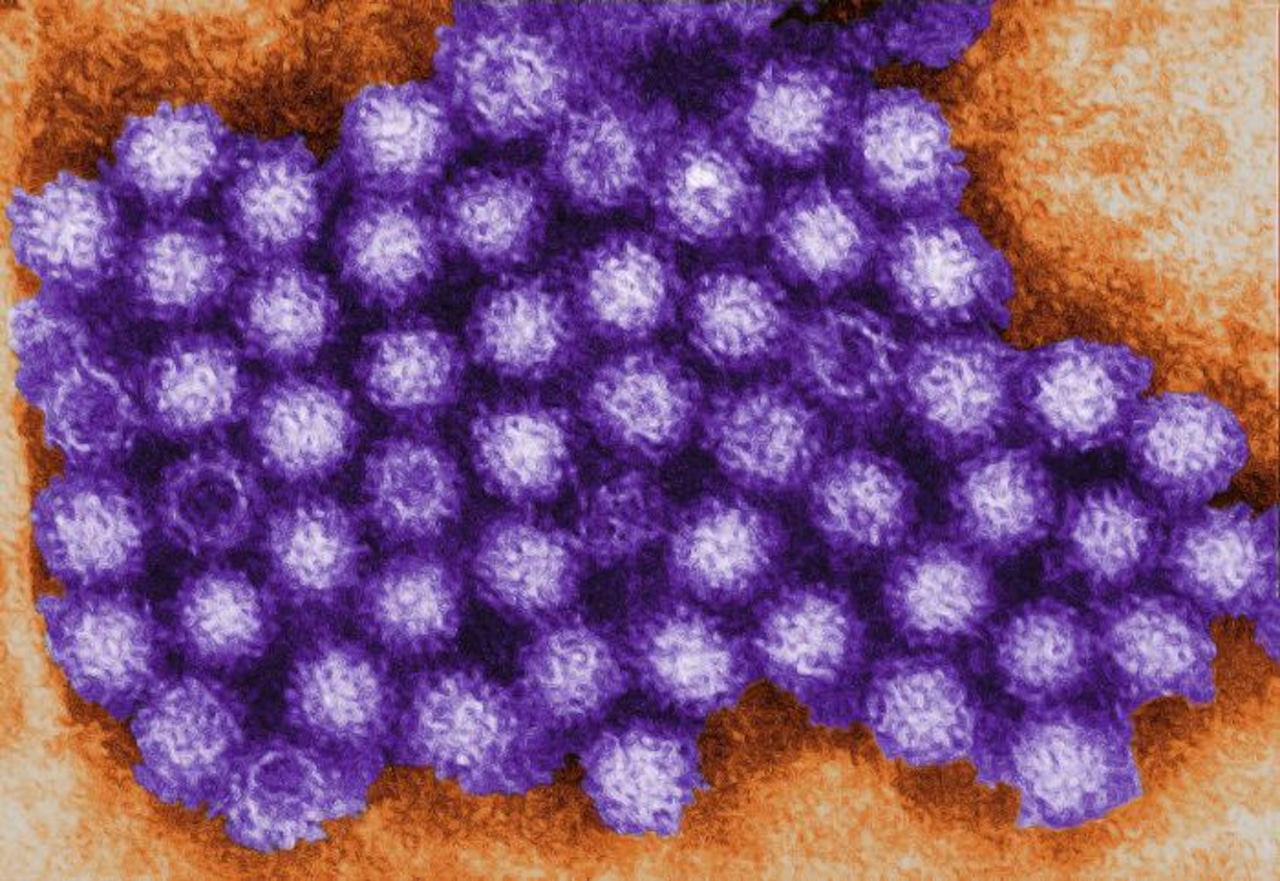
Winter vomiting disease caused by norovirus surging in US: Symptoms, how to avoid it
Cases of “winter vomiting disease,” are on the increase across the U.S. with health officials saying they’ve seen a surge in norovirus cases since mid-October.
Wastewater tracking from the Centers for Disease Control and Prevention shows norovirus outbreaks in Indiana, Louisiana and Michigan with Alabama, California, Florida and Texas flagged for pockets of heavier concentration, The Hill reported. The virus typically peaks from December to April but this surge, which started in October, is considered ahead of schedule.
Sometimes called “the stomach flu” or “a stomach bug,” norovirus causes acute gastroenteritis, or inflammation of the stomach or intestines, according to the CDC. Most people with the highly contagious virus get better within three days but it can still be spread for a few days after.
Of particular concern is GII.17, a variant of norovirus. The variant saw a large uptick last year and is responsible for about 75% of outbreaks.
“You can get norovirus illness many times in your life because there are many different types of noroviruses. Infection with one type of norovirus may not protect you against other types,” the CDC said. “It is possible to develop protection against specific types. But it is not known exactly how long protection lasts. This may explain why so many people of all ages get infected during norovirus outbreaks.”
Norovirus spreads through direct contact with someone who has it, including sharing food or utensils with them or eating food that’s handled by them. Food and drinks can be contaminated with norovirus, and you can also get it by touching contaminated objects or surfaces.
You can spread norovirus for 2 weeks or more after you feel better.
Symptoms of norovirus
Symptoms of norovirus typically develop 12-48 hours after exposure. The most common symptoms are:
- Diarrhea
- Vomiting
- Nausea
- Stomach pain
- Fever
- Headache
- Body aches
The biggest concern with norovirus is dehydration from loss of body fluids through diarrhea and vomiting. This can be especially dangerous for young children, older adults and people with other illnesses.
Symptoms of dehydration include:
- Decreased urination
- Dry mouth and throat
- Feeling dizzy when standing up
- Crying with few or no tears
- Unusual sleepiness or fussiness
How to prevent norovirus
To protect yourself against norovirus, the CDC recommends:
- Wash your hands well and often.
- Cook shellfish thoroughly and wash fruits and vegetables
- Clean and disinfect contaminated surfaces
- Wash laundry in hot water
- If you’re sick, stay home for 48 hours after symptoms stop
First Appeared on
Source link






