


Scientists Found Thousands of Dinosaur Footprints in Bolivia, and Some Were Underwater!
A sprawling fossil site in central Bolivia has revealed more than 16,000 dinosaur footprints, preserved across the surface of a prehistoric shoreline. The site, located in Carreras Pampa within Torotoro National Park, is now being called one of the largest dinosaur tracksites ever documented, offering a detailed snapshot of dinosaur movement in the final stretch of the Cretaceous period.
Most of the tracks are remarkably aligned in the same direction, suggesting a shared travel path or behavioral pattern. Researchers believe this alignment, alongside preserved ripple marks from water currents, hints at repeated movement along the edge of an ancient lake, now fossilized in stone.
A Site Teeming With Movement And Variety
The researchers documented over 16,600 individual traces scattered across the fossilized surface. These consist of footprints and swim marks, all showing movement in a parallel orientation, a striking pattern that immediately stood out. As stated by Roberto Biaggi, a researcher at Loma Linda University’s Institute for Geoscience Research, the findings suggest that:
“There’s no place in the world where you have such a big abundance of (theropod) footprints.” he added, “We have all these world records at this particular site.”
Tracing The Muddy Paths Of A Freshwater Visitor
According to the study, this collective alignment suggests that the dinosaurs were moving along the shoreline of an ancient lake, likely following its natural curve. The tracks were left by a variety of dinosaurs, including theropods, bipedal, three-toed carnivorous dinosaurs. Some of the prints are clean and deep, while others are shallow, consistent with animals that were either walking or swimming in the shallow waters.
“It may have been that they were all regular visitors to a large, ancient, freshwater lake, frequenting its expansive muddy shoreline,” commented Anthony Romilio, a paleontologist at the University of Queensland.
Predators Walked The Edge, Not Across It
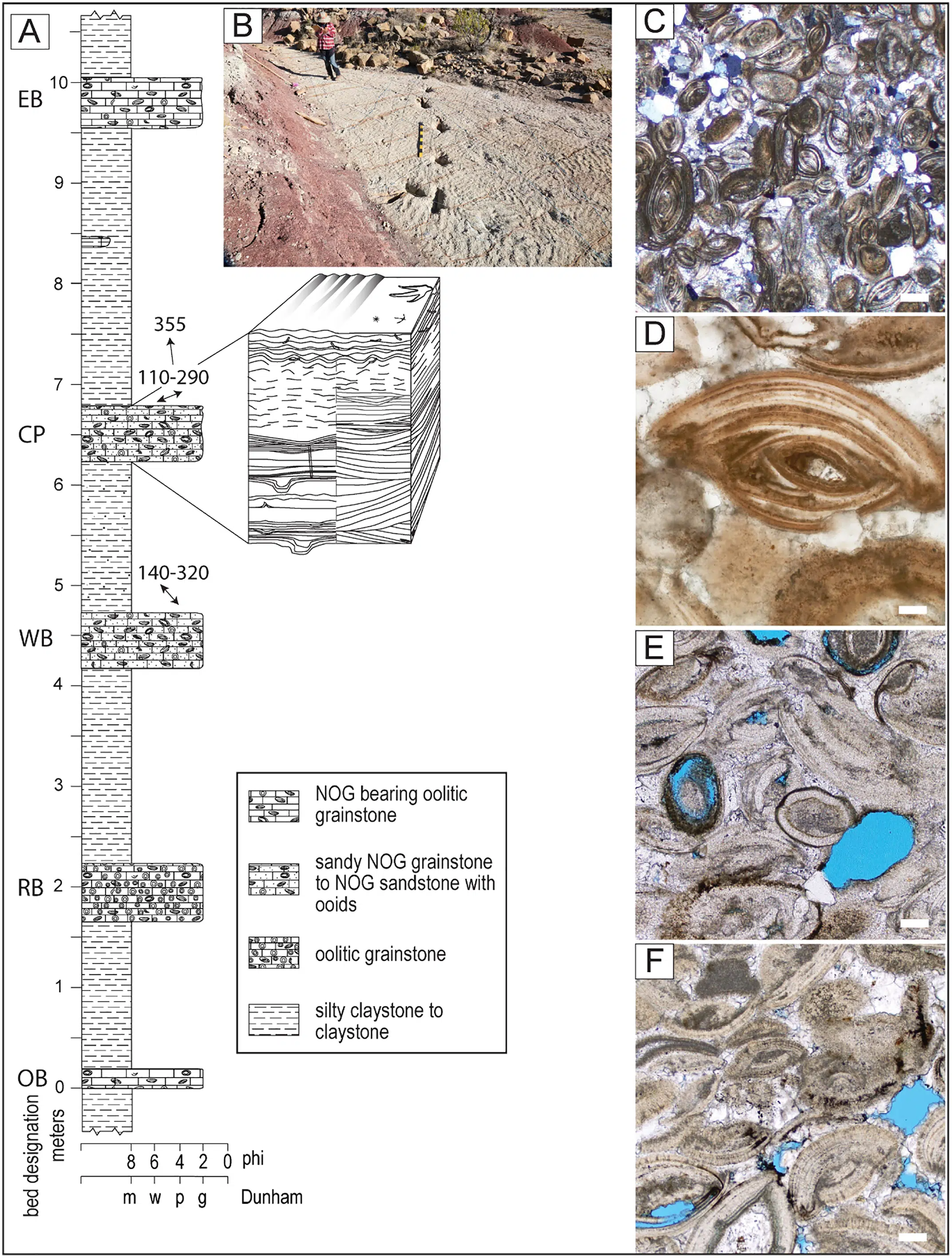
The site’s geology supports what the footprints reveal. According to the research, ripple marks, those wave-like patterns left by ancient water currents, are still clearly visible next to the tracks. They don’t just confirm where the dinosaurs w re, but also hint at how they moved and the kind of environment they lived in.
According to Raúl Esperante, a geoscientist involved in the study, and his team, a large portion of the site remains unexplored, meaning the full extent of the discovery is still unknown.
“I suspect that this will keep going over the years and many more footprints will be found right there at the edges of what’s already uncovered,” Biaggi said.
First Appeared on
Source link






