


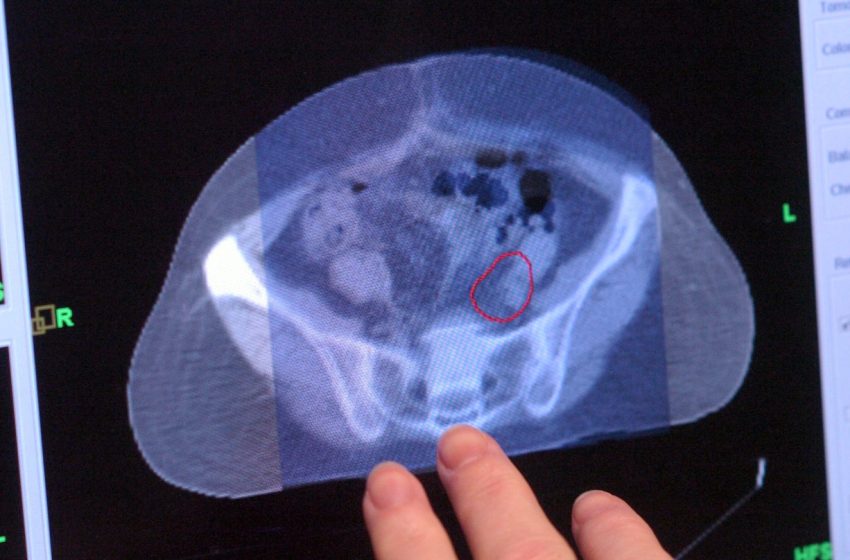
Colorectal cancer most deadly cancer for those under 50: Here are the symptoms
Colorectal cancer was the leading cause of cancer death among young people in 2023, according to the American Cancer Society.
Even as fewer young people have been dying from cancer in the last three decades across the United States, death rates from colorectal cancer have gone up. The disease was the fifth-leading cause of death from cancer in the early 1990s.
READ MORE: This cancer type is now leading cause of death from the disease for those under 50
“The steady rise in colorectal deaths under 50 is even more alarming compared to the dramatic declines for lung and breast, even as breast cancer incidence is climbing,” said Rebecca Siegel, senior scientific director of surveillance research at the American Cancer Society.
“While we await answers for why colorectal cancer rates are up, lives can be saved now,” said Siegel, the lead author of a report released last week. She noted the need for symptom awareness, destigmatization, and more screening uptake, as three in four people under 50 are diagnosed with advanced disease.
Colorectal cancer occurs in the colon or the rectum, which together make up the large intestine and are part of the digestive system.
According to the American Cancer Society, there are common signs and symptoms of the disease:
- A change in bowel habits, such as diarrhea, constipation, or narrowing of the stool, that lasts for more than a few days
- A feeling that you need to have a bowel movement that’s not relieved by having one
- Rectal bleeding with bright red blood
- Blood in the stool, which might make the stool look dark brown or black
- Cramping or abdominal (belly) pain
- Weakness and fatigue
- Unintended weight loss
Additionally, some people may have signs that the cancer has spread to the liver, including a large liver felt on exam, yellowing of the skin or whites of the eyes, or trouble breathing if the cancer has spread to the lungs.
Given the high death rates among people under 50, the American Cancer Society lowered the recommended age for a screening in 2018 from age 50 to 45 years old, which helps find polyps and cancers sooner, leading to better outcomes, according to the organization.
Many symptoms can be caused by conditions other than colorectal cancer, such as infection, hemorrhoids, or irritable bowel syndrome, according to the American Cancer Society. But if you have any of these problems, the organization says it’s important to see your doctor right away so the cause can be found and treated.
The American Cancer Society says your doctor will likely recommend one or more of the tests listed here.
First Appeared on
Source link






