


Greenland’s Ice Vanished 7,000 Years Ago and That Terrifies Scientists Today. Is History About to Repeat Itself?
The discovery comes from an international team of researchers involved in GreenDrill, a project led by the University at Buffalo and Columbia University’s Lamont-Doherty Earth Observatory. The team drilled through more than 1,600 feet of ice to extract ancient rock and sediment buried beneath the Prudhoe Dome in northwest Greenland, and what they found has shifted the timeline of the island’s glacial history.
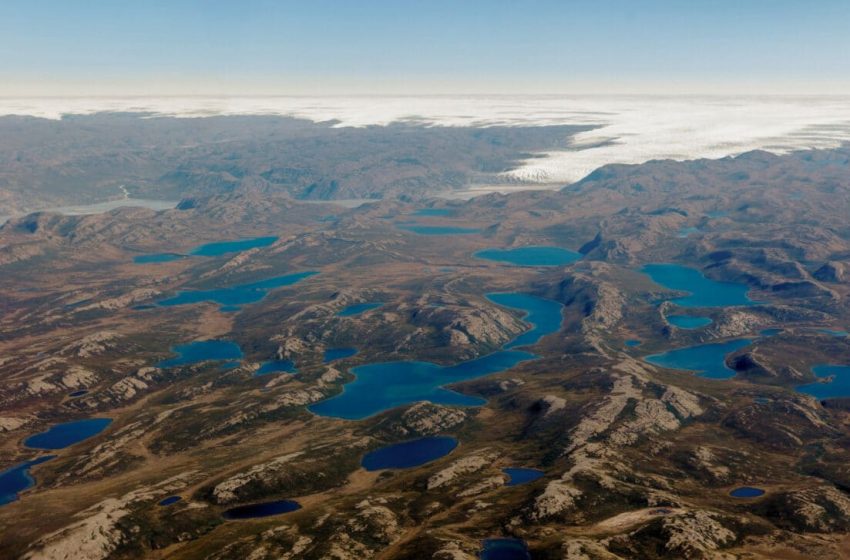
Though typically perceived as a permanently frozen landmass, Greenland hasn’t always looked the way it does now. The island’s name itself, derived from the Old Norse word grœnn, meaning green, hints at a very different past. During a warm window early in the Holocene epoch, parts of Greenland were not only free of ice, but likely hosted thriving ecosystems. That period, known as the Holocene Climate Optimum, coincided with the dawn of agriculture and the development of human civilization. It was also when the Prudhoe Dome hadn’t yet formed.
Deep Drilling Confirms an Ice-Free Greenland in the Holocene
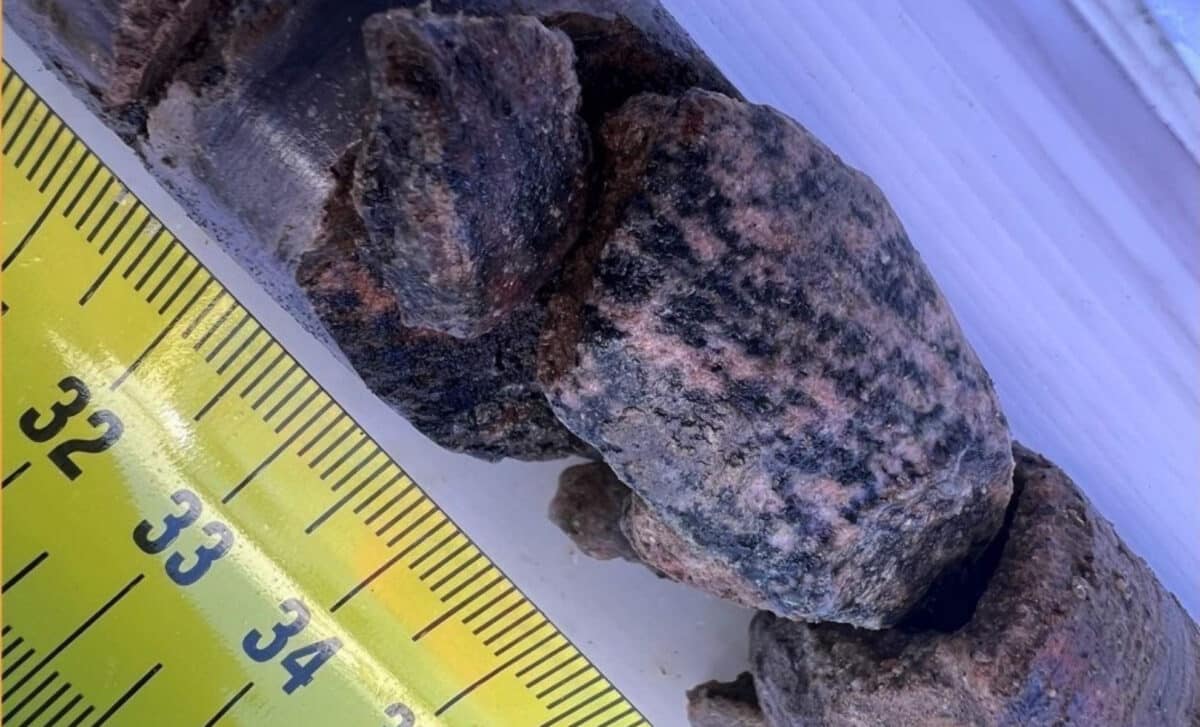
The GreenDrill project, supported by the U.S. National Science Foundation, focused its first field study on Prudhoe Dome. A team of scientists and drillers set up camp at the summit in spring 2023, drilling down more than 500 meters to reach the rock and sediment beneath the ice. According to the study published in Nature Geoscience, sediment samples were analyzed using luminescence dating, a method that measures the last time minerals were exposed to sunlight.
The data revealed that the sediments had last seen daylight between 6,000 and 8,200 years ago, meaning the surface had been completely ice-free during that time. This confirmed that Prudhoe Dome began to form only after that period, much later than previously thought. According to the University at Buffalo’s Jason Briner, co-leader of the study, “for natural, mild climate change of that era to have melted Prudhoe Dome and kept it retreated for potentially thousands of years, it may only be a matter of time before it begins peeling back again.”
Greenland’s Ice Sheet Is More Sensitive than Expected
What makes this discovery striking is the implication that relatively small increases in temperature were enough to trigger significant melting. During the early Holocene, global temperatures were about 3 to 5 degrees Celsius higher than today’s levels. According to Caleb Walcott-George, lead author of the study and now assistant professor at the University of Kentucky, that was sufficient to remove the ice at Prudhoe Dome for an extended period.
The research highlights just how reactive the ice sheet is to climatic shifts. “This new science field delivers this information via direct observations and is a game-changer in terms of predicting ice-melt,” said Joerg Schaefer of Columbia University, who co-led the GreenDrill project. These findings could reshape how scientists identify the most vulnerable sections of the Greenland Ice Sheet and understand where melting is most likely to begin as temperatures rise.
A High-Stakes Expedition Under Extreme Conditions
The GreenDrill expedition faced numerous logistical and technical challenges, including harsh weather and a fracture in the ice that nearly jeopardized the final stage of drilling. In a last-minute effort, the team used a drill bit designed for rock rather than ice, which allowed them to complete the bore just before the extraction team arrived. The camp, composed of tents and marked paths, was set up not far from Camp Century, a Cold War military base known for earlier ice-core efforts.
According to SciTechDaily, the team extracted a 1,669-foot core that included not only sediment but also traces of past ecosystems. While the core discussed in the initial publication came from the summit of Prudhoe Dome, a second drill site near the ice edge promises even more data. That material could offer further insight into how fast the ice receded and what kind of environment existed in Greenland during the last ice-free period.
The project’s success has opened up possibilities for similar research in other parts of Greenland, where little material from beneath the ice sheet has ever been recovered. “We have a treasure chest in our hands now that we can pick apart and explore,” said Briner, hinting at future studies already in the pipeline.
First Appeared on
Source link






