


A 65km hike into Norway’s vanishing rural past
The Stølstruta offers hikers a responsible, respectful way to witness a pastoral tradition that has disappeared almost everywhere else in Europe.
The Sun, descending from its lofty midsummer perch, soaked the valley in ochre. Rolling drumlins, lakes and birch forest glowed in the warm evening light, and the stillness of a remote Norwegian fell was broken only by a song: somewhere in the distance, a farmer was singing to her cows.
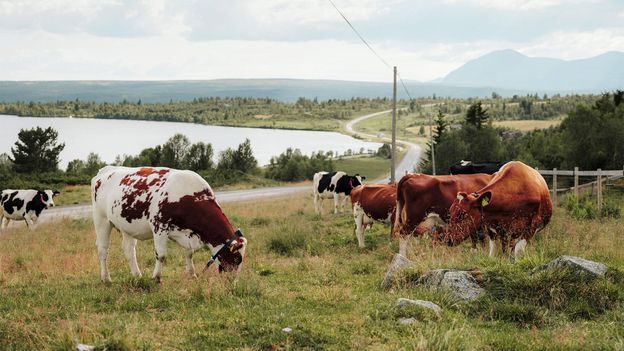
It was my third day on the Stølsruta, Norway’s historical summer farming route, which traces the age-old rhythm of seterdrift – a seasonal agricultural practice dating to the 12th Century where cattle are driven from the lowlands to mountain pastures, roaming freely through alpine valleys, open grasslands and forests.
Deeply woven into the country’s rural culture, seterdrift was added to Unesco’s list of Intangible Cultural Heritage in 2024, recognising the musical, culinary and storytelling traditions that grew out of summer farming over the centuries – and its enduring role in Norway’s folklore and cuisine.
Just three hours north of Oslo, the 65km route winds across the Stølsvidda plateau, home to Norway’s largest remaining network of summer farms. It runs through open hills draped in heather and wildflower-rich pastures, soundtracked by cowbells and, at day’s end, the echoing calls of kulning – traditional herding songs developed in Scandinavia centuries ago and still used to sing cattle home across the fells. Along the way, some stalls sell the rustic summer farm produce that embodies Norway’s kosemat (comfort food), like brunost (rich brown cheese) and risrøt (sweet rice porridge). With limited accommodation en route, the Stølsruta is deliberately low impact, offering a select number of hikers a window onto a time when seasonal migration shaped everyday life.
First Appeared on
Source link






