


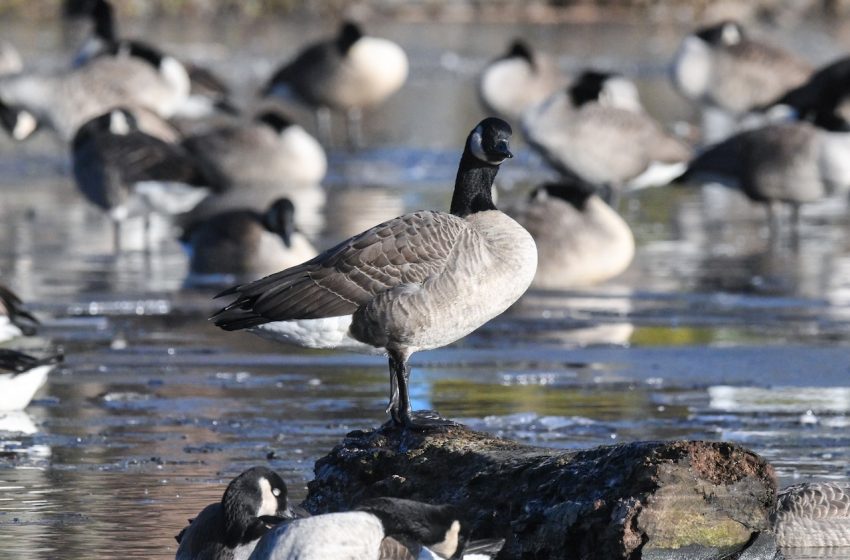
Are there dead geese in your neighborhood? Where mass casualties have been be reported in N.J. and what to do.
The New Jersey Department of Environmental Protection’s Division of Fish and Wildlife is monitoring an outbreak of bird flu throughout the state that’s causing disturbing mass deaths in wild birds.
More than 1,100 sick or dead wild birds were reported last weekend, most of them Canada geese, according to state officials.
Although testing is still underway, officials said it’s highly likely the wild bird mortality is caused by bird flu. The H5N1 strain of bird flu is currently widespread in wild birds worldwide, and is causing outbreaks in poultry and U.S. dairy cows with sporadic human cases, according to the Centers for Disease Control and Prevention.
While the risk of bird flu to humans remains low, “it’s still possible,” said Dr. David J. Cennimo, an associate professor of medicine and pediatrics in the Division of Infectious Diseases at Rutgers New Jersey Medical School.
“People should not go out handling these birds,” said Cennimo, adding that residents should also leash their dogs and closely watch children when outdoors.
If the map above is not showing, you can see it here.
Typical signs of bird flu include diarrhea, discharge from the nose, coughing, sneezing, and a lack of coordination, but most wild birds don’t show any signs or symptoms until death.
Residents are urged to report sick or dead birds through the new wild bird disease reporting form or by calling the state DEP hotline at 877-927-6337. All reports are reviewed by agency staff.
Amid the outbreak, numerous county park systems have posted warnings or closed public grounds entirely to minimize the risk of transmission.
On Tuesday, town officials in Pitman announced the closure of two local parks — Betty Park and Alcyon Park — until further notice following reports of dead geese.
The same day, Monmouth County Park System posted a warning on Facebook urging visitors not to touch dead or sick birds.
“Park Rangers have observed dead and infirm Canada Geese in some of our parks this week. Avian flu is suspected,” according to the post.
The Somerset County Park Commission on Thursday announced it is temporarily closing the trails at the Environmental Education Center in Basking Ridge and portions of Duke Island Park in Bridgewater because of local avian deaths.
The state Division of Fish and Wildlife is coordinating with local officials to dispose of bird carcasses whenever feasible, a spokeswoman said.
However, due to the sheer number of towns reporting dead geese, state officials won’t be able to help everyone with cleanup.
In a Facebook post, Hainesport Township officials told residents that “the recommendation from all agencies is for homeowners to use protective gear…and safely remove dead birds on their property.”
Should property owners elect to remove carcasses themselves, precautions should be taken:
- Personal protective equipment should be worn, such as gloves, a mask and eye protection.
- Avoid direct contact between you and the animal by using a shovel or other tool to move the carcass.
- Double-bag each bird, close the bag using a zip-tie, and place it in an outdoor trash bin away from pets and other wildlife.
- Immediately wash hands with soap and water and disinfect any non-disposable items using a diluted household bleach solution. Allow the disinfectant to sit on the item for 10 minutes before rinsing with warm water.
However, homeowners don’t have to do the dirty work themselves. Residents can contact their local municipality or county to inquire about animal control services or private wildlife control services that can dispose of dead wildlife.
Although bird flu is rare in humans, the CDC said it’s watching the situation closely. The public health agency has reported 71 total human cases of bird flu and two deaths since February 2024.
Most infected people worked with dairy cows or commercial poultry, but some cases involved exposure to backyard flocks or wild birds.
“It’s really a contact issue,” said Cennimo. “Geese aren’t going to cough 10 feet above your head and get you sick. It’s really seen much more with direct contact.”
Symptoms of bird flu in people include eye redness and irritation, mild fever, cough, sore throat, runny or stuffy nose, body aches, headaches and fatigue. If you suspect bird flu in a human, report it to your local health department.
As of Thursday, there have been no reported cases of human infection in New Jersey.
First Appeared on
Source link






