


Rising prices and what Iran war could soon cost you
Ever since the US and Israel struck Iran, the jump in oil and gas prices has become a major focus for markets and consumers alike. But that’s only the top of a long list of goods that stand to get more expensive.
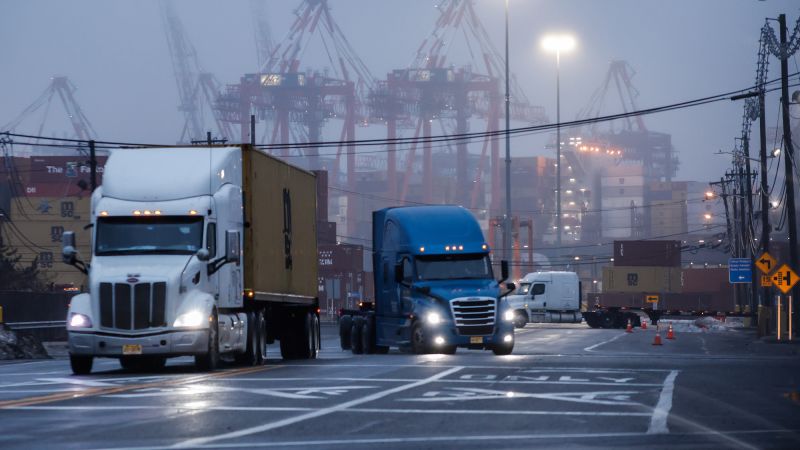
With oil prices shooting up, the cost to transport physical goods around the world has already increased and is poised to continue going up the longer the war continues.
And because many businesses are already absorbing most of the cost of tariffs enacted by the administration over the last year, they have little wiggle room for them to assume higher transportation costs, said Brian Bethune, an economics professor at Boston College.
“If we see the persistence of these higher (oil) prices for a period of time, then you’re going to see a persistent cost shock,” he said.
Shipping rates are largely determined by diesel prices. For instance, a fuel surcharge of 21.5% kicks in for FedEx Ground and home deliveries when diesel prices hit at least $3.55 a gallon.
As of March 9, diesel cost $4.86 a gallon, nearly $1 more than a week ago, according to data from the US Energy Information Administration. This means a 24.75% fuel surcharge will kick in for the week ahead.
A similar structure exists across all major freight modes – air, rail and ocean – based on what fuel is used and the price.
Grocery stores are one of the first places consumers will see the effects of higher fuel prices – specifically the produce, meat and dairy aisles, said Deborah Weinswig, CEO and founder of Coresight Research, a supply chain and retail research and advisory group.
The less shelf stable an item is, the less companies can stockpile it – and the more vulnerable it is to price increases.
Outside of grocery stores, higher prices will take much longer to appear, Weinswig added. President Donald Trump’s tariffs over the past year spurred businesses to build inventory before the new levies kicked in, meaning they have ample supplies on hand.
Businesses will likely explore other ways to deal with the higher fuel costs.
When the war between Russia and Ukraine broke out in 2022 oil prices similarly soared and compounded already-high inflation.
Back then, many businesses chose to shrink product sizes while keeping the same price — a practice known as shrinkflation, which is effectively a price increase.
But with consumers already starting to cut back on spending, businesses may have a harder time getting such disguised changes past consumers. That may lead them to resort to a more dire action to cut back on costs: laying off workers.
“There’s no free lunch. It’s going to show up somewhere,” Bethune told CNN.
First Appeared on
Source link






