


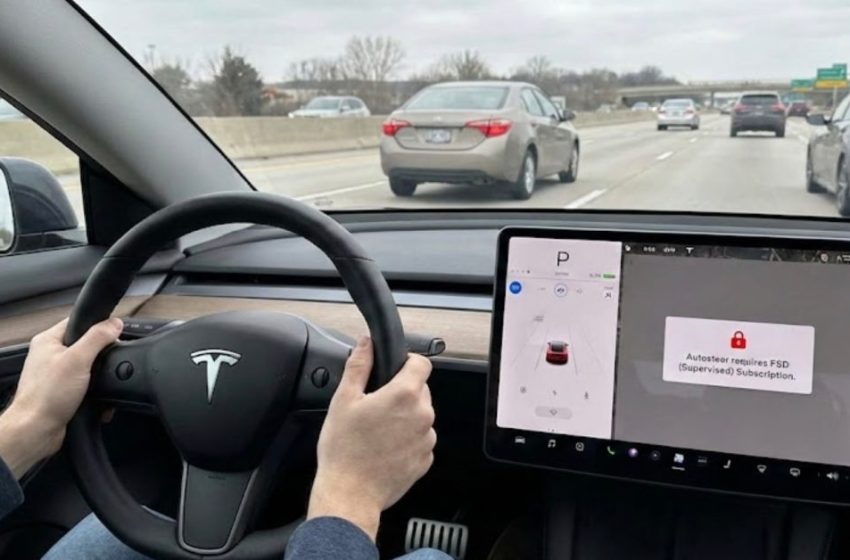
Tesla has to pay historic $243 million judgement over Autopilot crash, judge says
A federal judge has rejected Tesla’s bid to overturn a $243 million jury verdict over a fatal 2019 Autopilot crash in Florida, dealing a significant blow to the automaker’s legal strategy as it faces a growing wave of lawsuits tied to its driver-assistance technology.
U.S. District Judge Beth Bloom in Miami ruled that the evidence at trial “more than supported” the verdict and that Tesla raised no new arguments to justify setting it aside. The ruling, made public on Friday, means Tesla’s last hope to avoid paying the massive judgment at the trial court level has been exhausted.
The crash and the verdict
The case stems from a deadly 2019 collision in Key Largo, Florida. George McGee was driving his Tesla Model S with Autopilot engaged when he dropped his phone and bent down to retrieve it. The vehicle blew through a stop sign and a flashing red light at approximately 62 mph, slamming into a parked Chevrolet Tahoe.
The crash killed 22-year-old Naibel Benavides Leon and severely injured her boyfriend, Dillon Angulo, who was 26 at the time.
In August 2025, a Miami federal jury found Tesla liable for the crash, assigning 33% of the blame to the automaker. The jury awarded $43 million in compensatory damages and $200 million in punitive damages — the first major plaintiff victory against Tesla in an Autopilot-related wrongful death case.
Tesla had rejected a $60 million settlement offer before the trial. That decision cost the company dearly.
Tesla’s failed arguments
In August 2025, Tesla’s lawyers filed a 71-page motion asking the court to throw out the verdict or grant a new trial. The company argued the verdict “flies in the face of basic Florida tort law, the Due Process Clause, and common sense.” Tesla also claimed that references to CEO Elon Musk’s statements about Autopilot during the trial misled the jury.
Judge Bloom was unconvinced. Her ruling found Tesla presented no new arguments that warranted overturning the jury’s decision.
Tesla has indicated it will appeal the verdict to a higher court. The company has also pointed to a pre-trial agreement that it claims would cap punitive damages at three times compensatory damages, which could reduce the final payout. But even under that interpretation, Tesla is still looking at a nine-figure judgment.
Attorney Brett Schreiber, lead trial counsel for the plaintiffs, sent Electrek the following statement:
“We are of course pleased, but also completely unsurprised that the honorable Judge Bloom upheld the jury’s verdict finding Tesla liable for the integral role Autopilot and the company’s misrepresentations of its capabilities played in the crash that killed Naibel and permanently injured Dillon. Tesla’s arguments were simply an attempt to relitigate the court’s pre-trial rulings. We look forward to continuing our work holding Tesla accountable for its lies and gross misconduct in courts across America.”
The Autopilot lawsuit floodgates are open
This ruling lands at a particularly difficult moment for Tesla’s legal exposure. Since losing the landmark August 2025 trial, the Autopilot lawsuit floodgates have opened. Tesla has settled at least four additional Autopilot crash lawsuits rather than risk more verdicts, including a case involving the death of 15-year-old in California.
New lawsuits continue to pile up. In January 2026, Tesla was sued over a Model X crash that killed an entire family of four when the vehicle allegedly veered into oncoming traffic. Electrek is aware of dozens more cases are working through the courts.
The legal pressure has been compounded by regulatory action. In December 2025, a California judge ruled that Tesla’s use of “Autopilot” in its marketing was misleading and violated state law, calling “Full Self-Driving” a name that is “actually, unambiguously false.”
Just this week, Tesla avoided a 30-day California sales suspension only by agreeing to drop the “Autopilot” branding entirely. Tesla has since discontinued Autopilot as a standalone product in the U.S. and Canada.
This lands weight to one of the main arguments used in lawsuits since the landmark case: Tesla has been misleading customers into thinking that its driver assist features (Autopilot and FSD) are more capable than they are – leading drivers to pay less attention.
Electrek’s Take
This ruling is important, but it’s not surprising. Tesla’s motion to throw out the verdict was always a long shot. The company essentially argued that references to Elon Musk’s own public claims about Autopilot, claims that Tesla actively used to sell the feature for years, were somehow unfair to present to a jury. Judge Bloom was right to reject that argument.
The bigger picture here is that Tesla’s Autopilot legal liability is snowballing. The company rejected a $60 million settlement, lost a $243 million verdict, failed to overturn it, and now faces an appeal that will likely drag on while dozens of similar cases are working their way through the courts.
Tesla is settling cases left and right to avoid further discovery and more damaging verdicts, but the financial exposure is mounting fast.
We are talking billions of dollars in potential settlements and verdicts over the next few years.
We’ve been covering Tesla’s Autopilot issues for years, and the pattern is clear: Tesla marketed Autopilot in a way that encouraged drivers to over-rely on it, failed to implement adequate safeguards, such as geofencing, and then blamed drivers when things went wrong. A jury, a federal judge, and now a California administrative judge have all reached the same conclusion. At some point, the cost of defending these cases, both financially and reputationally, will force Tesla to fundamentally change how it approaches driver-assistance technology.
It’s already happening.
FTC: We use income earning auto affiliate links. More.
First Appeared on
Source link






