


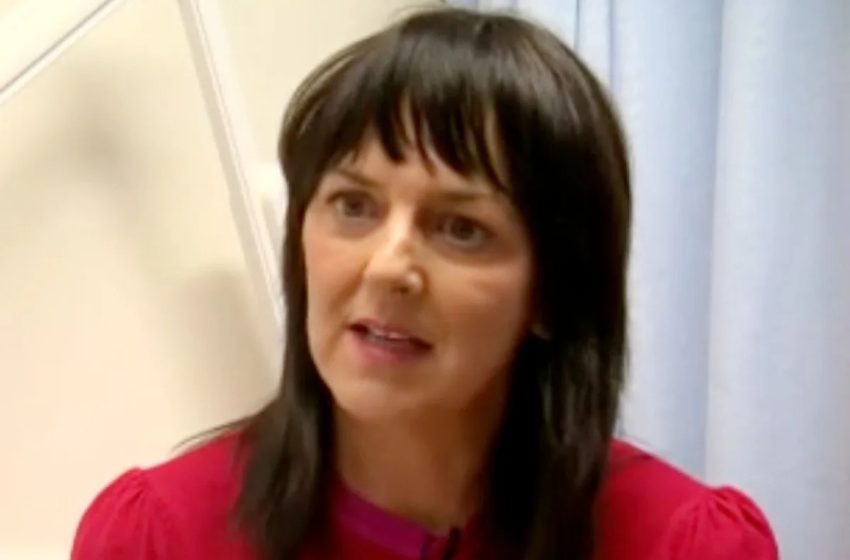
52-Year-Old Woman Thought She Had a Stomach Bug After Her Vacation. Then She Got a Devastating Diagnosis
NEED TO KNOW
-
Marie McGrath was diagnosed with colorectal cancer after initially mistaking her symptoms for those of a stomach bug
-
She believes her doctor’s personal experience with colorectal cancer helped her get a diagnosis in time
-
McGrath is advocating for lowering the colorectal cancer screening age in Northern Ireland to catch cases earlier
A healthy woman who had active lifestyle has shared her shock at being diagnosed with colorectal cancer after returning from a holiday.
Marie McGrath, from Northern Ireland, put her stomach bug down to an illness she had picked up on her travels. But a colonoscopy revealed she had colorectal cancer, also known as bowel cancer, despite suffering from no typical symptoms of the disease.
The 52-year-old “went a bit blank” when she heard that doctors had found “something of a significant size and of a significant concern,” according to BBC Northern Ireland.
“[I thought] she can’t really be saying these words to me,” McGrath told the news outlet. “This is a tummy bug.”
Marie McGrath thought she had an upset stomach, but it was cancer (stock image)
Credit: Getty
Never miss a story — sign up for PEOPLE’s free daily newsletter to stay up-to-date on the best of what PEOPLE has to offer, from celebrity news to compelling human interest stories.
The common signs of colorectal cancer include a persistent change in your bowel habits, or change in stool consistency, weakness or fatigue, unexplained weight loss, persistent abdominal discomfort, blood in your stool or rectal bleeding and a feeling that your bowel doesn’t completely empty, according to Mayo Clinic.
Excluding skin cancers, the American Cancer Society states that colorectal cancer is the third most common cancer diagnosed in both men and women in the U.S.
McGrath believes that her doctor’s awareness and own experience of colorectal cancer were the reasons why her symptoms were able to be picked up.
Her doctor, Dr Jonny Dillon, was diagnosed with colorectal cancer at 49 and had surgery two days after his 50th birthday. He too showed no obvious symptoms of the disease.
“Bowel cancer was not on my radar,” she added.
“I’m wondering, would I have made it to 60 if I hadn’t got the GP [physician] circumstances at the time? Had my symptoms maybe been put down to irritable bowel, for example, that could’ve been ongoing and ongoing and ongoing for a much longer period of time. What would my chances have been then?”
McGrath said the idea of having symptoms misdiagnosed scared her “very much.”
The experience has led her to urge her government to lower the screening age for cancers, in the hope that more people can catch the disease early.
Colorectal cancer screening in Northern Ireland is currently set between the ages of 60 and 74, according to the Northern Ireland government’s website.
“If much younger people are being affected, why is the threshold so high for us to be diagnosed and diagnosed at an early stage? It just is unfathomable to me,” McGrath told BBC Northern Ireland.
The U.S. Preventive Services Task Force recommends that adults aged 45 to 75 be screened for colorectal cancer.
The Centers for Disease Control and Prevention (CDC) says, “The decision to be screened between ages 76 and 85 should be made on an individual basis.”
“If you are older than 75, talk to your doctor about screening. People at an increased risk of getting colorectal cancer should talk to their doctor about when to begin screening, which test is right for them, and how often to get tested.”
The CDC said that individuals may have to get tested for colorectal cancer earlier than 45 if they have inflammatory bowel disease, a personal or family history of colorectal cancer or colorectal polyps, or a genetic syndrome such as familial adenomatous polyposis (FAP) or hereditary non-polyposis colorectal cancer (Lynch syndrome).
The Northern Ireland Department of Health told the BBC that work to expand screening “is ongoing but must be viewed within the context of wider financial and capacity challenges within the supporting services.”
PEOPLE has reached out to the Northern Ireland Department of Health for comment.
Read the original article on People
First Appeared on
Source link






