


80-Million-Year-Old Dinosaur Dug Up in Argentina Has an Intact Skull Unlike Anything Ever Seen
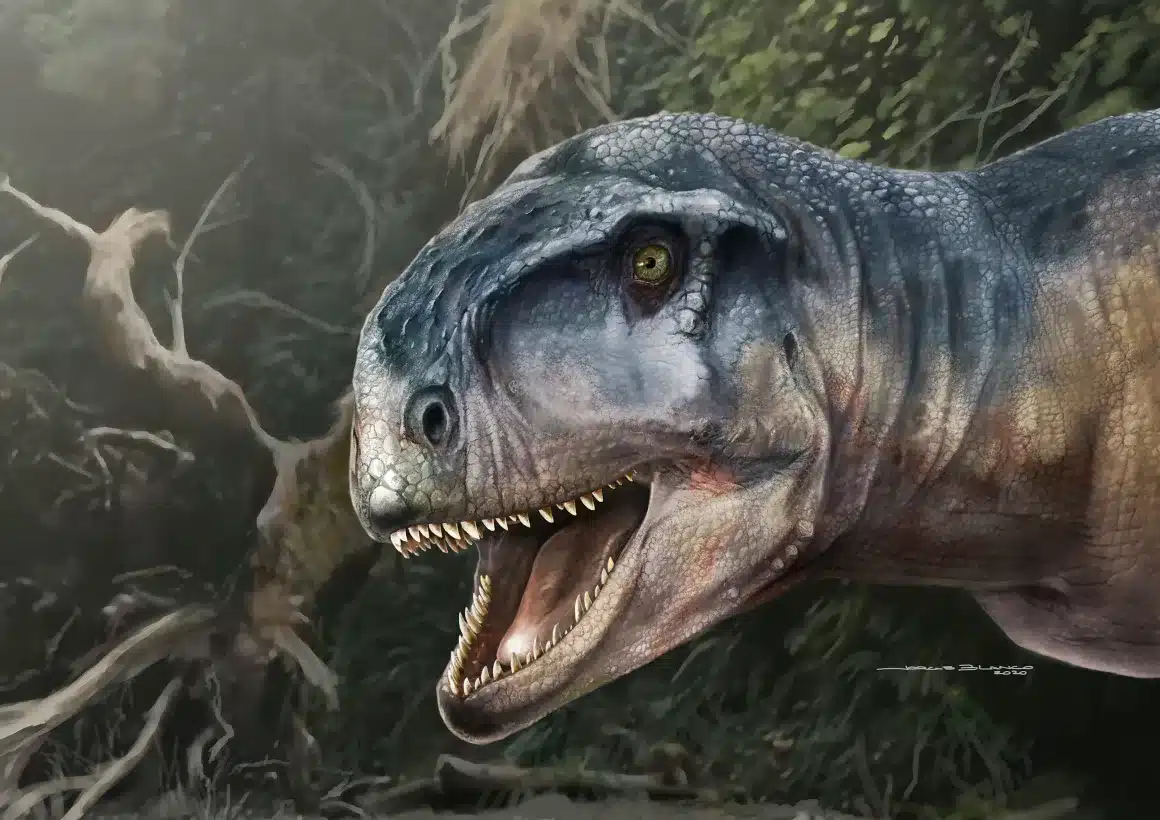
Unearthed in the dusty sediment of northern Patagonia, a new species of predatory dinosaur has caught the attention of paleontologists for its fearsome appearance and unusual auditory abilities. Measuring about 16 feet long, Llukalkan aliocranianus lived roughly 80 million years ago and possessed a short, horned skull unlike anything seen before in its lineage.
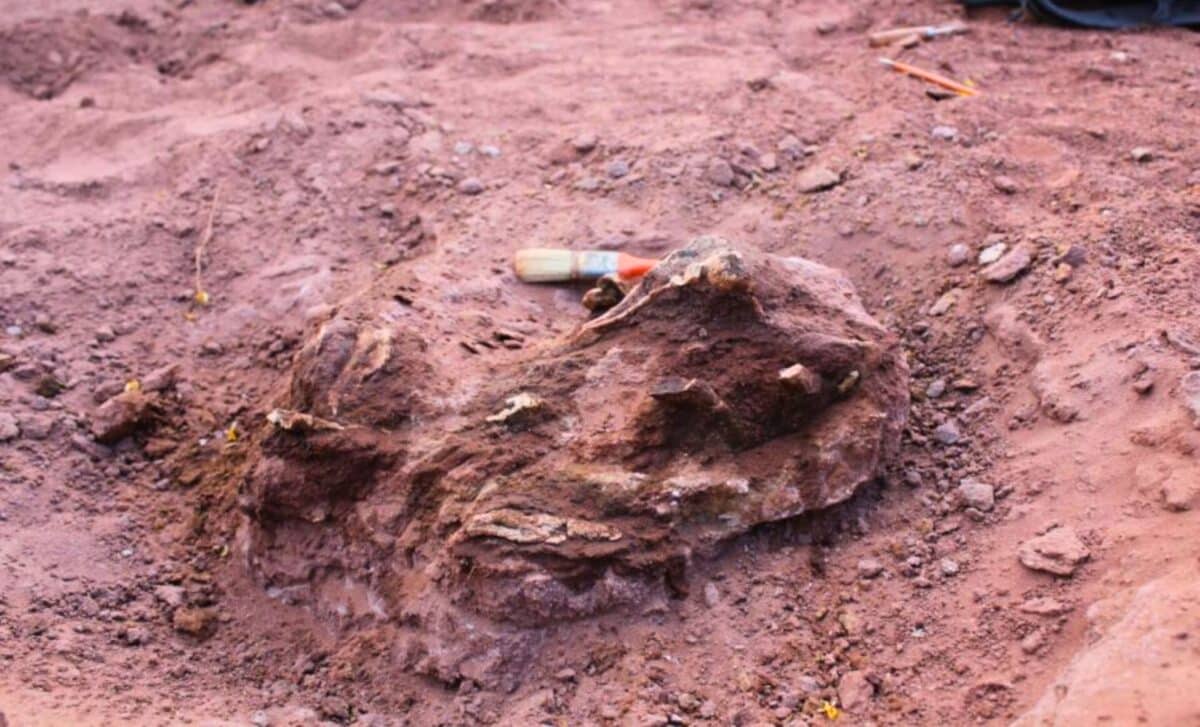
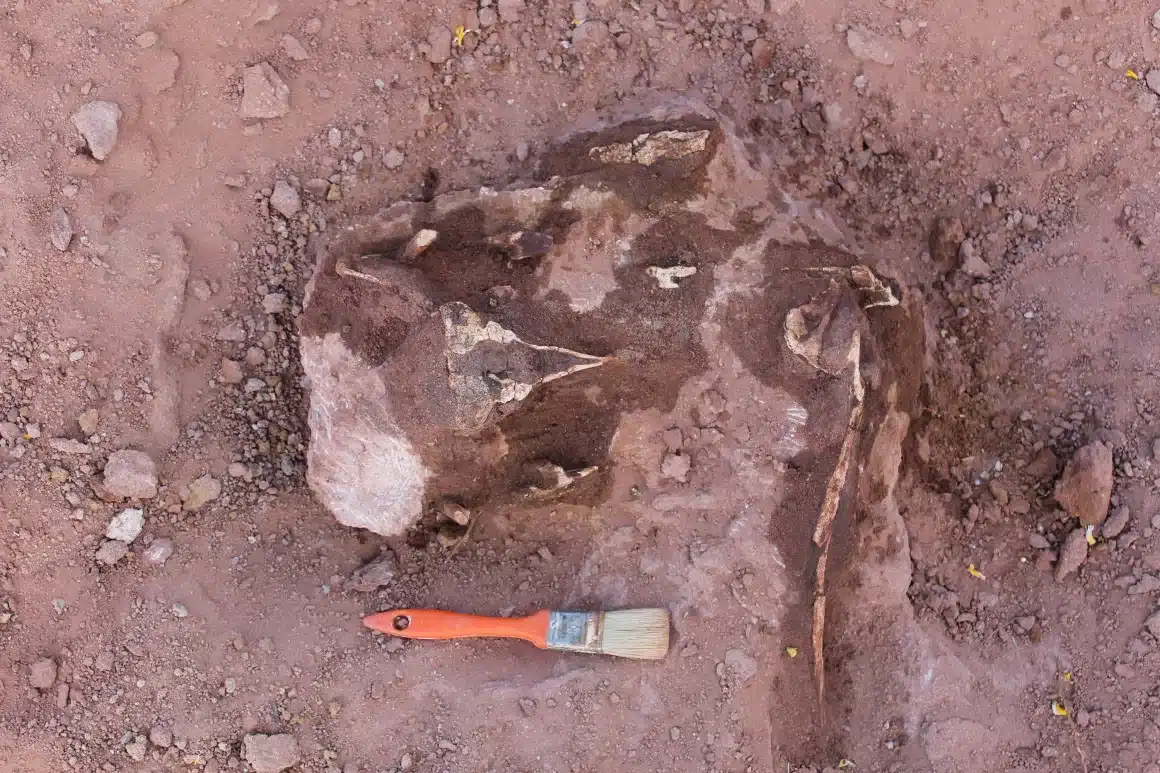
The discovery was made near the city of Rincón de los Sauces, in Argentina’s Bajo de la Carpa Formation, and is described in detail in the Journal of Vertebrate Paleontology. While digging for a plant-eating sauropod, researchers stumbled across a well-preserved skull, still intact after tens of millions of years.
Strange Skull, Sharper Hearing
The most striking feature of Llukalkan aliocranianus lies in its head. Its skull was short and heavily ornamented, covered with irregular bumps, protrusions, and small horns. According to Dr. Federico Gianechini, a paleontologist at the National University of San Luis and lead author of the study, one of the most unusual traits was a set of cavities in the ear region. These were unlike anything observed in other known abelisaurids.
As reported by the research published in the Journal of Vertebrate Paleontology, this structure likely contributed to a heightened sense of hearing, potentially rivaling that of modern crocodiles.
“This, together with its keen sense of smell, would have given great capabilities as a predator.” Gianechini explained. The specific pocket of air-filled sinuses near the middle ear could have allowed Llukalkan to detect a wider range of frequencies.
Despite its similarities to Tyrannosaurus rex in size and diet, the dinosaur presented a unique morphology that’s raised new questions about the diversity and specialization of late-Cretaceous predators in South America.
A Chance Encounter in Fossil-Rich Terrain
The remains of the dinosaur were not found as part of a targeted dig but rather during a broader excavation aimed at recovering a sauropod skeleton. Days before wrapping up their work, researchers noticed a distinct set of bones emerging from the soil; the skull, still in pristine condition after millions of years, was a rare find. As previous research has shown, the fossil was uncovered in 2015, though its study and formal description were only completed several years later.
The Bajo de la Carpa Formation has yielded a variety of fossils, yet the discovery of a new abelisaurid with such well-preserved cranial features is considered exceptional. As stated by Gianechini, this site continues to provide important insights into the ecosystems of Cretaceous Patagonia, which, at the time, shared faunal links with what are now Africa, India, and Antarctica.
The Architecture of Complex Behavior
Beyond its predatory abilities, dinosaur’s horned skull might offer clues about its behavior and possible social dynamics. In comments shared with Gizmodo, Gianechini raised the possibility that the horns served more than just an aesthetic or defensive function.
“Some say that the shape of the head and jaws could have helped to bite the prey, while the horns could have been used to bump into each other,” he noted.
Its horns might have been used for fighting or display, as in many horned mammals today.
“These dinosaurs were still trying out new evolutionary pathways and rapidly diversifying right before they died out completely,” said Ariel Mendez, a paleontologist from the Patagonian Institute of Geology and Paleontology.
First Appeared on
Source link






