


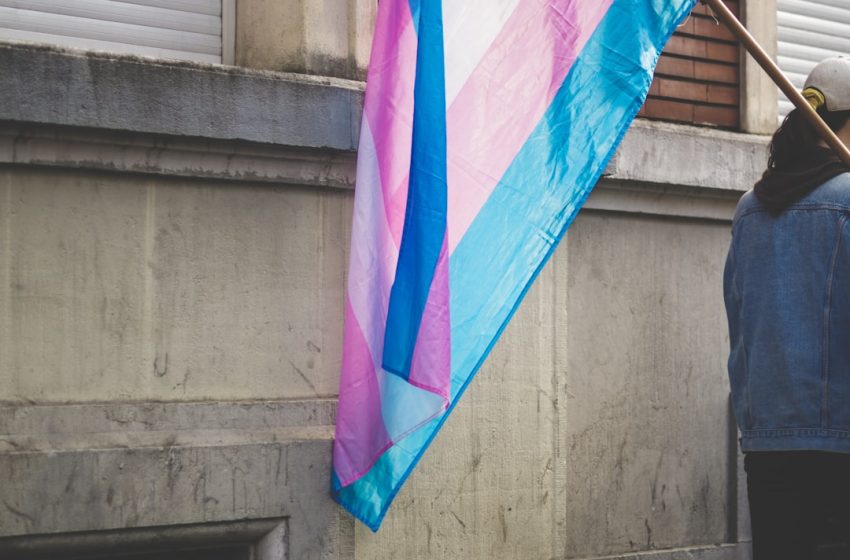
Trans Youth Suicides Skyrocketed In UK After Care Drawdown; Government Covers It Up
In 2024, whistleblowers familiar with internal discussions at the Tavistock gender clinic in the United Kingdom revealed to the Good Law Project that employees were privately alarmed by a spike in suicides among transgender youth following severe restrictions on care in the aftermath of the Bell v Tavistock ruling. This information was never made public, with administrators concerned that it could cause reputational damage to the clinic. Following the Good Law Project’s reporting, the UK government commissioned a report, known as the Appleby Report, that claimed there were only a handful of suicides and denied any increase, with many anti-trans political figures and activists then patting themselves on the back and absolving themselves of any blame. Now, after years of fighting for the data, the Good Law Project has received responses to freedom of information requests from the National Child Mortality Database (NCMD) and discovered that the government report significantly undercounted transgender youth suicides: deaths rose roughly fivefold in the immediate aftermath of the Bell v Tavistock ruling, with a devastating 22 trans kids taking their own lives in a single year.
The data, obtained through a freedom of information request to the NHS-funded National Child Mortality Database, paints a devastating picture. Between 2019 and 2025, 46 trans children under the age of 18 died by suicide in England. The year-by-year breakdown is stark: 5 in 2019-20, 4 in 2020-21, 22 in 2021-22, and 10 in 2022-23, with the remaining spread in the later years. The massive spike in 2021-22 follows directly on the heels of the Bell v Tavistock ruling in December 2020, after which NHS England imposed restrictions on gender-affirming care for young trans people. By contrast, the Appleby Report—the government’s official response to inquiries from whistleblowers about rising suicides—examined only the narrow pool of youth who had actually become patients of the Gender Identity Development Service (GIDS) at the Tavistock, finding just 12 total suicides over six years including adults. The NCMD data captures nearly four times as many deaths among children alone. Importantly, for later years, suicide reports have not been completed, and it is likely that some of the numbers for later years will rise significantly.
The gap between the Appleby Report, which was used to absolve the government of any culpability in trans youth deaths, and the Good Law Project’s freedom of information request is no accident, but rather, a deliberate framing choice. The Appleby Report only examined patients of GIDS. But in the aftermath of the Bell v Tavistock ruling, wait times for GIDS appointments skyrocketed, now sitting at an estimated average of 25 years. Youth who were suffering no longer saw a pathway to gender-affirming care. Referrals stalled. Diagnoses became increasingly impossible to obtain. As restrictions piled on, these young people saw their future pathways to obtaining gender-affirming care shuttered in front of them. These youth were ignored in the Appleby report.
More alarming is what appears to be an explicit attempt to cover up trans youth suicide deaths. Those who seek to restrict gender-affirming care also seek to restrict any information showing those restrictions may lead to harm. Among the far right, claims have emerged that transgender youth are in no danger of suicide from the withdrawal of gender-affirming care, but this could not be further from the truth. Numerous studies have shown high suicidality among trans youth and increasing suicidality in places where anti-trans legislation has taken root. Rather than report honestly on the impact of their policies, the UK government appears to have tried to cover it up.
“Those of us in or close to the trans community have been to the funerals of those we love. And we have wept together for those we have been unable to save on Trans Day of Remembrance. We know the truth – we see it with our own eyes. And, to us, the decision by Wes Streeting to commission a review into suicides which downplayed the scale of these tragedies was unforgivable. His report denied the reality of trans deaths, as Streeting’s ban on puberty blockers denied the reality of trans lives,” reads the Good Law Project report.
The UK government fought hard to keep transgender suicide data from the public, and now, two years after its attempt to bury the deaths of children, that data is out. Even what has been released is limited: the NCMD’s own response indicates that its methodology may not capture all transgender youth suicides in the country, meaning the true toll is likely higher. But what is now known is the grisly impact that anti-trans restrictions have had on the youth of England. And in the United States, where a similar effort to restrict gender-affirming care is underway across the nation, it is likely that similar devastation is unfolding, unreported and silent.
You can view the Good Law Project’s report here, and the NCMD and UK government data responses here and here.
First Appeared on
Source link






