


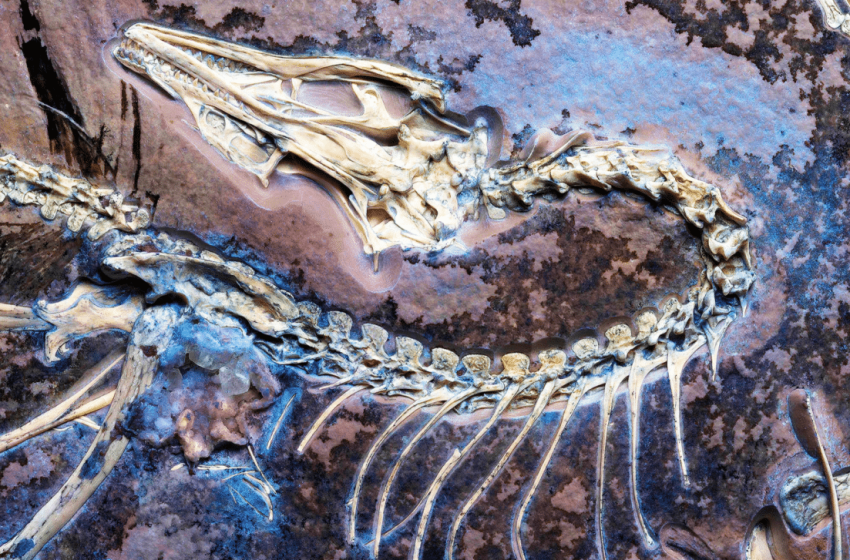
Scientists Unearth Exceptionally Well-preserved Archaeopteryx fossil, Solving the Biggest Mystery of Dinosaur Flight
A new discovery of a nearly intact Archaeopteryx fossil is providing fresh evidence that may finally settle the long-standing debate over how flight evolved in dinosaurs. Published in Nature, the study reveals the finest details ever seen in one of the world’s most iconic fossils. Archaeopteryx, often called the first bird, has long been a symbol of the theory of evolution, connecting modern birds to their dinosaur ancestors. However, despite over 160 years of study, this latest specimen, the “Chicago Archaeopteryx”, has unlocked previously unknown secrets about the creature’s anatomy and its ability to take flight.
An Unexpected Treasure: The Chicago Archaeopteryx
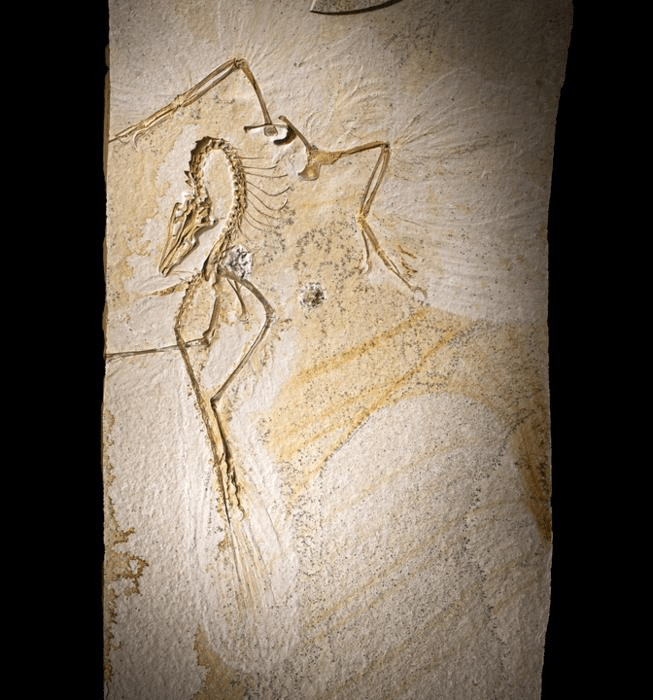
Discovered in the famous Solnhofen limestone of Germany, the Chicago Archaeopteryx is the smallest specimen of its kind ever found, roughly the size of a pigeon. What makes this fossil particularly remarkable is its level of preservation, which is unlike anything previously encountered. Since its arrival at the Field Museum in 2022, scientists have been working tirelessly to extract and study the fossil, using cutting-edge techniques like CT scanning and UV light.
These technologies have revealed soft tissues in the feet, hands, and wings, offering a window into how this ancient animal might have lived and moved.
“When we first got our Archaeopteryx, I was like, this is very, very, very cool, and I was beyond excited,” enthused Jingmai O’Connor, the Field Museum’s associate curator of fossil reptiles and lead author of the study. “But at the same time, Archaeopteryx has been known for over 160 years, so I wasn’t sure what new things we would be able to learn. Our specimen is so well-preserved and so well-prepared that we’re actually learning a ton of new information, from the tip of its snout to the tip of its tail.”
Preserving the Past with Advanced Technology
To ensure the delicate preservation of this fossil, scientists used advanced CT scanning technology, a machine that can build a three-dimensional image by taking a series of X-rays. This technique allowed researchers to study the bones and soft tissues without damaging them.
“CT scanning was very important for our preparation process – it let us know things like, the bone is exactly 3.2 millimeters below the surface of the rock, which let us know exactly how far we could go before we would hit the bone,” explained O’Connor.
This allowed the team to prepare the fossil with precision and care, avoiding the damage that previous specimens have suffered due to crude preparation techniques.
Another crucial tool in the preparation process was the use of ultraviolet (UV) light. Previous studies have shown that soft tissues preserved in the Solnhofen fossils fluoresce under UV light, making them visible to researchers. O’Connor noted, “Our amazing prep team utilized UV light periodically through the preparation process to make sure that they weren’t accidentally removing any soft tissues that you can’t see with the naked eye.” This meticulous care ensured that no crucial details were overlooked in the fossil’s preparation.
A Glimpse Into the Evolution of Flight
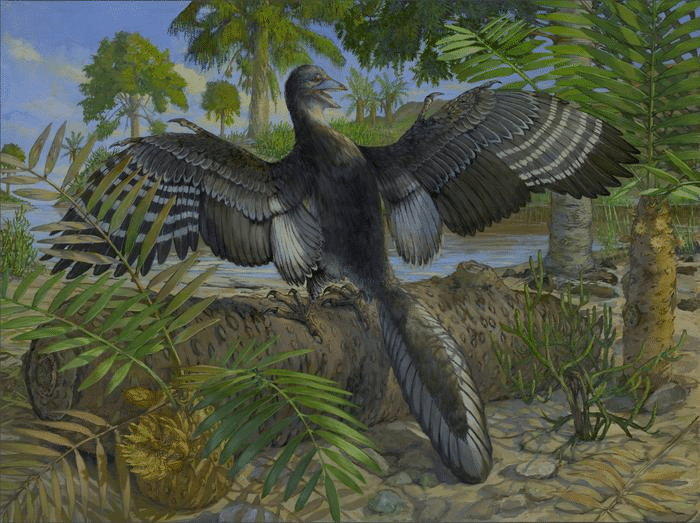
Perhaps the most exciting discovery from the Chicago Archaeopteryx is the evidence it provides regarding how flight evolved in dinosaurs. Archaeopteryx was not the first feathered dinosaur, but it may have been the first to truly take flight. The fossil shows that Archaeopteryx had long tertial feathers, feathers on the upper arm, that are essential for flight in modern birds. This is the first time these feathers have been preserved in such detail, offering critical insight into how this animal might have used them to generate lift.
“We think it’s the earliest known dinosaur that was able to use its feathers to fly,” said O’Connor, highlighting this finding as her favorite from the study. These feathers, absent in closely related non-avian dinosaurs, suggest that Archaeopteryx was capable of powered flight, and possibly used them for gliding or flapping. The study, published in Nature, also strengthens the idea that flight may have evolved multiple times across different dinosaur species, a theory that adds a new layer of complexity to the evolution of flight.
First Appeared on
Source link






