


Scientists Dive Into a Flooded Texas Cave and Discover a Massive Prehistoric Graveyard Hidden Underwater
A water-filled cave in central Texas has revealed an extraordinary concentration of prehistoric fossils. Hidden beneath flowing groundwater, the site holds remains of massive animals that lived around 100,000 years ago.
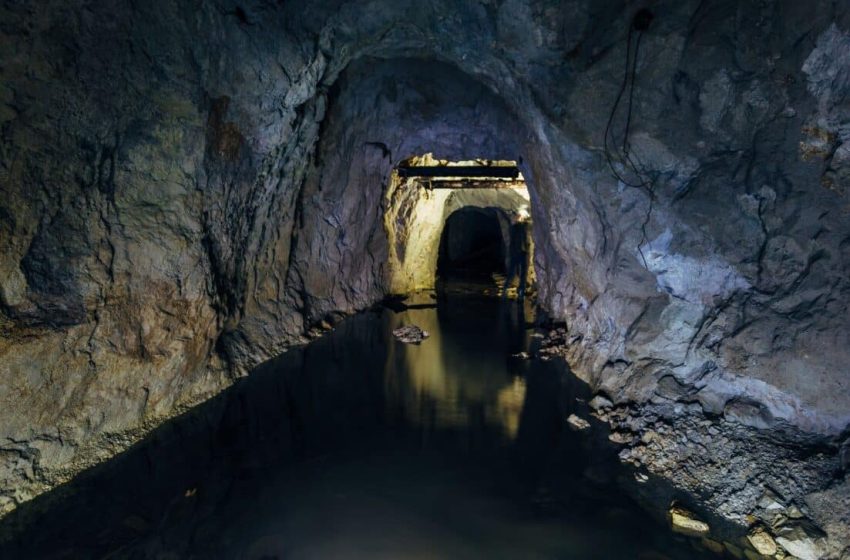
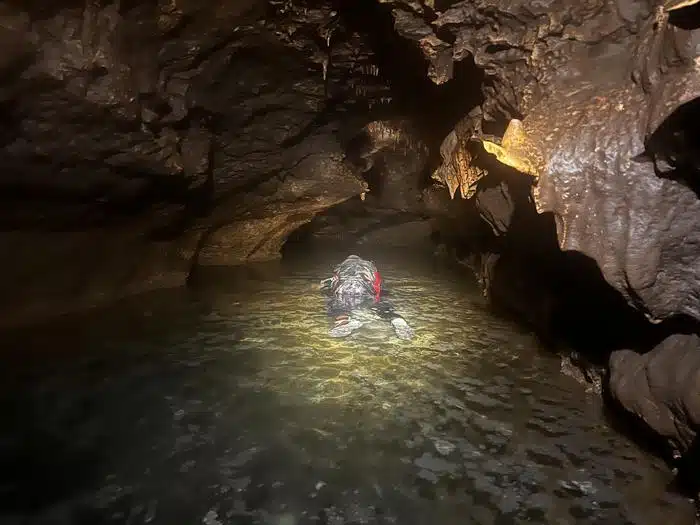
The discovery was made in Bender’s Cave, located in Comal County near San Antonio, where scientists explored submerged passages using snorkels instead of excavation tools. What they found was not a handful of scattered bones, but a dense accumulation covering entire sections of the cave floor.
The findings, described in a study published in Quaternary Research, point to a surprisingly diverse megafauna ecosystem. The site may represent a rare snapshot of life during a warmer phase of the last ice age, a period still poorly documented in this part of Texas.
A Cave Filled With Fossils “Everywhere”
The sheer abundance of remains inside Bender’s Cave stood out immediately to researchers. According to John Moretti, a paleontologist at the University of Texas at Austin, the density of fossils was unlike anything he had encountered before.
“There were fossils everywhere, just everywhere, in a way that I haven’t seen in any other cave,” he recalled. “It was just bones all over the floor.”
Exploration missions conducted between March 2023 and November 2024 allowed the team to survey 21 distinct areas. Instead of digging, scientists simply reached down into the water and collected specimens directly. The study in Quaternary Research found the cave’s fluctuating water levels, influenced by rainfall, flooding, and sinkhole deposits, helped transport and preserve the bones over thousands of years.
Giant Armadillos, Sloths, And Mastodons Once Roamed Texas
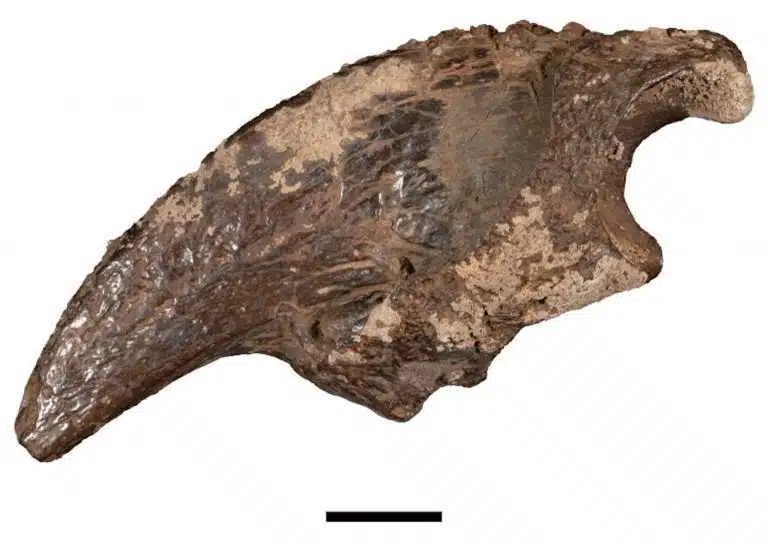
Among the recovered fossils are remains of mastodons, giant ground sloths, ancient camels, and the striking pampathere, a large relative of modern armadillos. As explained by the researchers, this animal could weigh up to 440 pounds and had teeth adapted for eating coarse vegetation rather than a mixed diet.
The presence of the pampathere is particularly notable. As noted by study’s authors, the species originally evolved in South America and migrated north after the formation of the Isthmus of Panama around 2.7 million years ago. Unlike modern armadillos, which are omnivorous, the pampathere’s jaws and teeth were suited to a plant-based diet until the species went extinct around 12,000 years ago.
An Interglacial World Revealed
Dating of the fossils is still ongoing, though researchers believe they likely originate from the last interglacial period, approximately 100,000 years ago. John Moretti stated that this could represent something entirely new for the region.
“This site is showing us something different, and that’s really important because of all the work that’s been done in this region,” he said. He added that if the dating is confirmed, “it’s a new window into the past and into a landscape, environment, and animal community that we haven’t observed in this part of Texas before.”
This distinction gives the discovery particular weight. Most previous findings in the area relate to colder phases of the ice age, leaving a gap in understanding of warmer intervals. The fossils from Bender’s Cave begin to fill that gap. The cave, shaped by water and time, continues to yield clues, quietly preserving a record of a world that once existed far above its submerged chambers.
“Some of the fossils that John has come across are species that we didn’t think would occur in this part of Texas,” said David Ledesma, an assistant professor at St. Edwards University, who was not part of the study. “That we’re still learning new things and finding new things is quite exciting.”
First Appeared on
Source link






