


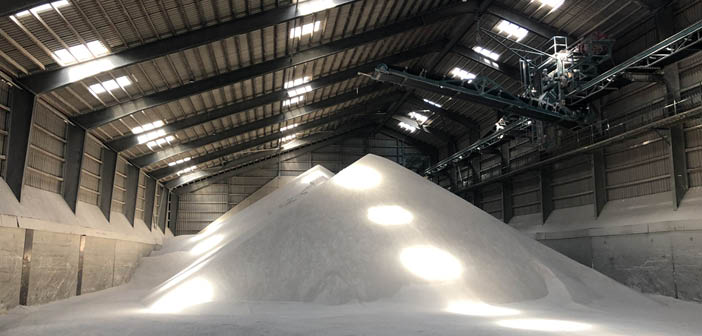
Are we facing a food crisis?
As the war in the Middle East drags on, analysts around the world are warning that high fuel prices and fertiliser shortages could combine with other climatic and geopolitical factors to create one of the biggest food challenges the world has seen.
A recent article in The Daily Telegraph pointed out that the global fertiliser shortage has been compounded by recent restrictions on fertiliser exports by China, Russia and Turkey, meaning that almost half the usual global supply of nitrogen has been cut off (around one third of global fertiliser trade passes through the Strait of Hormuz). Other reports suggest that the United Nations has established a task force to design a mechanism to keep trade moving through Hormuz because of mounting concern over food shortages, fertiliser disruption, and wider humanitarian consequences.
Issues around the price and availability of fertiliser are not only a European problem. 25 per cent of US farmers have not pre-bought fertiliser for the current planting season, while Australians (who are drilling winter crops) are paying four-times as much for urea as they did before the pandemic. Jean-Marie Paugam from the World Trade Organisation told the Telegraph that the fertiliser market was “the number one alert today… the effect is going to keep accumulating through next year. There are countries where people will die of hunger if they don’t get their imports.”
On top of all the trade disruption, climate scientists are predicting El Niño weather events in 2026 and 2027, resulting in hotter weather, longer droughts and lower crop yields. However, Abdolreza Abbassian, formerly of the UN’s Food and Agriculture Office warned that commodity markets and politicians have not yet fully woken up to the full effects that are already due to arise from the situation, or those which will come from continued disruption.
“The UK is completely exposed to global fertiliser markets with all the raw ingredients now imported – either as manufactured product ready to be used on farm or for secondary processing,” warned NFU President Tom Bradshaw. “This could not come at a more pertinent time. We need to restore confidence for farmers and growers, remove the barriers to investment that have existed for too long and focus on how we build a resilient, profitable farming and growing industry that has the resilience of our food system, the interests of 70 million consumers and the strategic interests our nation at its heart.
“If we get this right, it’s a once in a generation opportunity. If we ignore all the warning signs of geopolitics and climate change and we continue reducing the ability for the UK to feed itself then we expose everyone to a strategic risk at a time when everyone is talking about National Security and defence.”
First Appeared on
Source link






