


Scientists Uncover Hidden Clue in Ancient Cave Art, Dating It to 16,000 Years Ago Using Charcoal Analysis
researchers have finally unlocked the precise timeline of cave art found in Font-de-Gaume, a prehistoric cave in southwestern France. Using an innovative technique to date charcoal marks on the walls, scientists have revealed that some of the artwork dates back between 13,000 and 16,000 years ago, placing it firmly within the Ice Age period. Published in the Proceedings of the National Academy of Sciences, this study represents a monumental shift in how researchers approach the dating of prehistoric art, offering direct evidence that was previously elusive.
Charcoal Marks as a Time Machine
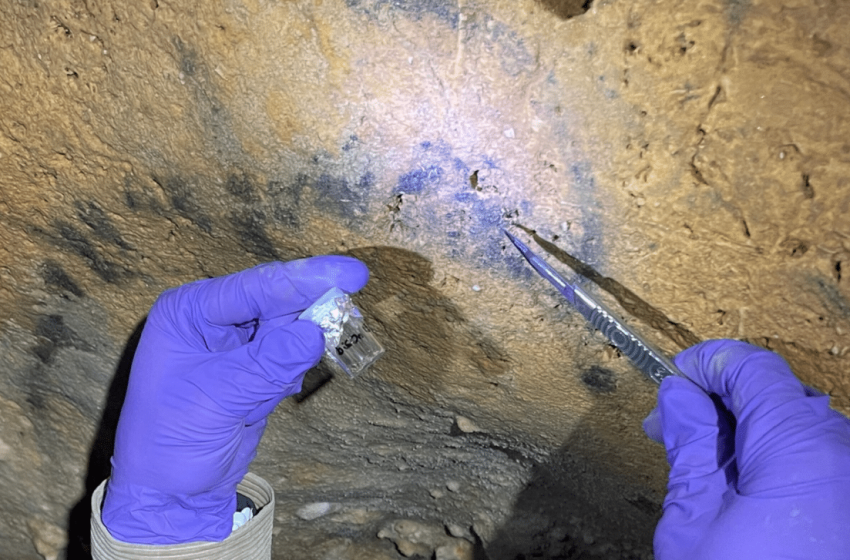
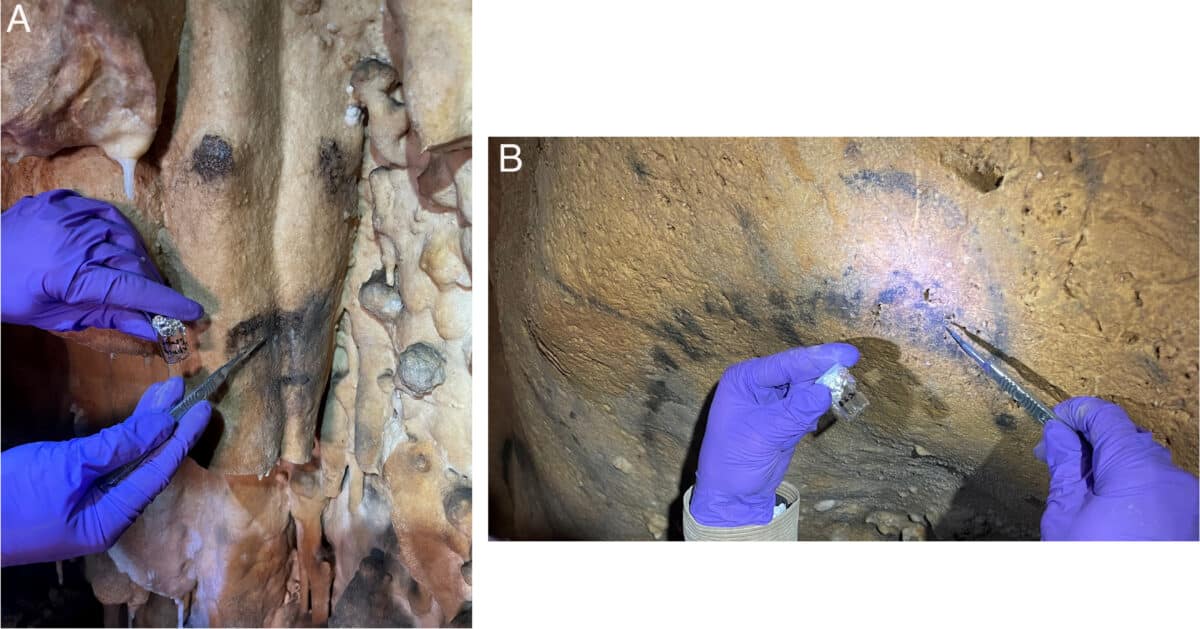
The discovery is the result of a detailed study led by Ina Reiche, a scientist from Chimie ParisTech (PSL), who found that certain black marks within Font-de-Gaume were made using charcoal rather than mineral-based pigments. Charcoal, created from burned organic material, preserves carbon over millennia, allowing it to be accurately dated through radiocarbon dating techniques. This finding has enormous implications for how we understand the origins of art itself, providing a direct timeline for previously ambiguous works.
“The charcoal residues found in these drawings allowed us to establish a clear, datable link to the Ice Age,” said Reiche. “For the first time, we have a scientific basis to confidently place these artworks in a specific historical context.”
These charcoal marks include detailed depictions of bison and other animals, with some images showing a surprising amount of detail, suggesting a highly developed artistic tradition among early humans. These findings are expected to reshape the chronology of prehistoric art, offering new insights into how early humans used visual storytelling in their daily lives.
The Power of Non-Invasive Imaging
One of the crucial elements of this breakthrough was the non-invasive imaging spectroscopy technique used to analyze the artwork. Traditional methods of dating ancient cave art were largely hindered by the lack of organic material in mineral-based pigments. However, this new imaging method allowed scientists to distinguish between soot-based black marks and those made from minerals, opening up a new avenue for exploration.
By using reflectance imaging spectroscopy, the team was able to analyze the surface of the cave paintings without touching them, a critical factor for preserving the artwork. This technology allowed them to identify traces of soot-based black, which contains organic carbon, making it possible to accurately date the artwork. This careful method ensures that the artwork remains intact while providing valuable data for future studies.
Credit: PNAS
Dating the Ice Age: A Paradigm Shift in Archaeology
Before this study, dating cave art in the Dordogne Valley was fraught with challenges. Most of the pigments used in prehistoric art, including those found in Font-de-Gaume, did not contain enough organic material to be reliably dated. As a result, scholars often had to rely on indirect methods, such as the analysis of nearby archaeological layers or the style of the artwork itself, to estimate its age. While these methods provided some clues, they were far from precise.
“We provide the experimental confirmation of the Paleolithic age of cave art in the Font-de-Gaume cave. This result represents a scientific breakthrough and a paradigm change,” Reiche wrote.
This breakthrough not only offers a new tool for dating cave art but also underscores the importance of integrating new technologies with traditional archaeological methods to create a more accurate picture of ancient history.
As more discoveries like this one are made, researchers can begin to piece together a more detailed timeline of prehistoric life, shedding light on the development of early human societies and their cultural practices.
What’s Next for Cave Art Research?
The implications of this research, published in PNAS, extend beyond Font-de-Gaume. By applying the same charcoal-dating techniques to other caves in the Dordogne Valley and beyond, researchers hope to establish a more comprehensive chronology of prehistoric art in Europe. The region, rich with prehistoric sites, holds many secrets waiting to be uncovered, and the ability to directly date artwork opens up a new chapter in our understanding of the past.
Future studies will likely focus on determining whether artwork across different caves was created during specific time periods or if artists revisited these caves over millennia. With more samples and advanced technologies, the timeline of prehistoric art will continue to evolve, revealing more about the people who created these stunning visual representations.
First Appeared on
Source link






