


Scientists Just Found Out This Ancient Fruit Can Do Way More Than Sweeten Your Tea
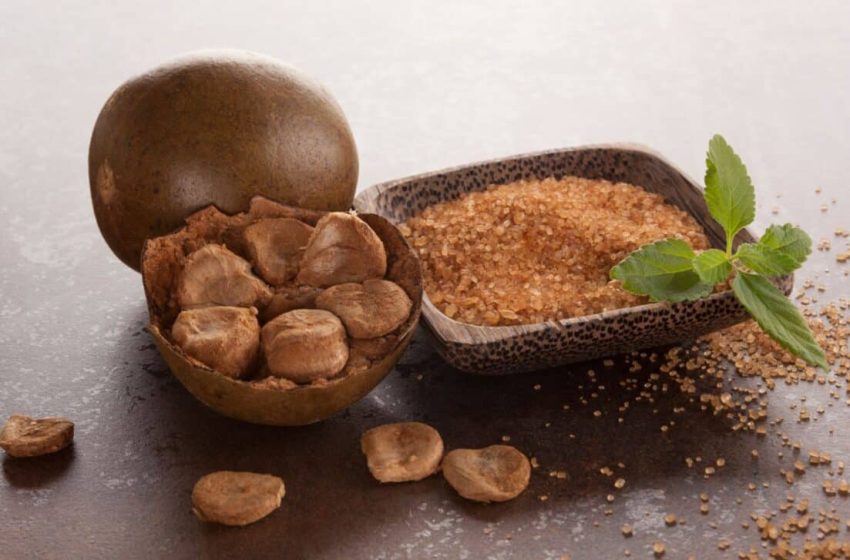
New research published on January 14, 2026, in the Journal of the Science of Food and Agriculture dives into the chemical structure of monkfruit (Siraitia grosvenorii, or luohan guo) and reveals that this vine-grown gourd contains powerful antioxidant compounds beyond its famed sweeteners. Scientists are starting to piece together how different varieties of the fruit behave at a biological level, especially how their internal compounds interact with receptors in the body.
Originally from southern China and part of the gourd family, monkfruit has been used in traditional remedies for centuries. In recent decades, it gained global popularity as a zero-calorie sweetener. But recent findings suggest the real power of this fruit may lie in its internal chemistry, not just in its sweetness. According to a study conducted by Huahong Liu and colleagues, each variety of luohan guo presents its own metabolic fingerprint, packed with diverse compounds that impact key biological systems.
The new study took a deeper look at four cultivars of the fruit, examining the difference between their peels and pulps and identifying which parts contain the highest levels of active substances. Through molecular docking and pharmacological analysis, scientists linked these substances to specific health-related pathways.
Bioactive Compounds at the Heart of Monkfruit
The scientists focused on what they describe as secondary metabolites, compounds that plants don’t need to survive but use for defense and signaling. In luohan guo, the most prominent of these include flavonoids, terpenoids, and amino acids. These chemicals are not only responsible for the fruit’s protective features but also may offer physiological benefits when consumed.
According to the research, the peel of the ‘Xingning’ variety was particularly rich in amino acids, terpenoids, and steroids. Meanwhile, the pulp of the ‘Suqiao’ variety demonstrated stronger antioxidant effects, largely due to a dense concentration of flavonoids and their glycosides.
The study identified 29 key antioxidant metabolites across the four monkfruit types. These compounds interacted with 26 biological targets, especially those linked to oxidative stress and inflammation. Such interactions suggest possible roles in reducing cellular damage and regulating body functions. The paper noted that “The top ten core antioxidant metabolites in the network predominantly accumulated in the ‘Suqiao’ pulps and exhibited good affinity for antioxidant targets by molecular docking simulation.” when tested through molecular docking simulations.
Different Varieties, Different Profiles
A significant part of the study’s findings lies in the chemical variability between monkfruit cultivars. Not all luohan guo is created equal, and researchers made clear that each variety displays a distinct chemical makeup. The team emphasized the need to understand these differences in detail.
According to the article published in Journal of the Science of Food and Agriculture, “it is crucial to conduct an in-depth investigation on the high-resolution metabolic profiles of different luohan guo varieties.” The team emphasized the need to understand these differences in detail, since they matter not only for nutrition research but also for how monkfruit might be used in food and health products.
The ‘Suqiao’ and ‘Xingning’ cultivars stood out in this analysis, showing contrasting strengths depending on whether peel or pulp was examined. This kind of specificity is central to future product development, as it allows scientists and producers to choose the best cultivar for a given use, be it a supplement, ingredient, or functional food.
How Monkfruit Compounds Interact with the Body
Beyond identifying the compounds, the study explored how they interact with biological systems, particularly through cellular receptors. Receptors are molecular structures that receive chemical signals and activate specific pathways in the body, such as those that regulate inflammation or metabolism.
Using a combination of metabolomics and network pharmacology, the researchers mapped out how these plant-derived molecules might affect human biology. One key insight was the enrichment of certain antioxidant pathways connected to chronic conditions. According to the authors, the antioxidant compounds found in luohan guo showed a meaningful connection with pathways “associated with cancer, especially breast and prostate carcinomas.”
While the study does not make health claims, it does suggest that monkfruit compounds (especially in certain varieties) have strong biochemical properties worth exploring further. The structural data gathered could be a basis for identifying which parts of the fruit deliver the highest biological activity, and why.
First Appeared on
Source link






