We must explain to you how all seds this mistakens idea off denouncing pleasures and praising pain was born and I will give you a completed accounts off the system and expound
Slate’s Washington, 1707 L St. NW, Washington, D.C., 20036.
Scientists from the Schmidt Ocean Institute have uncovered an array of remarkable finds off the coast of Argentina, including the world’s largest known Bathelia candida coral reef, 28 new animal species and the country’s first deep-water whale fall – a whale carcass that sinks to the ocean floor.
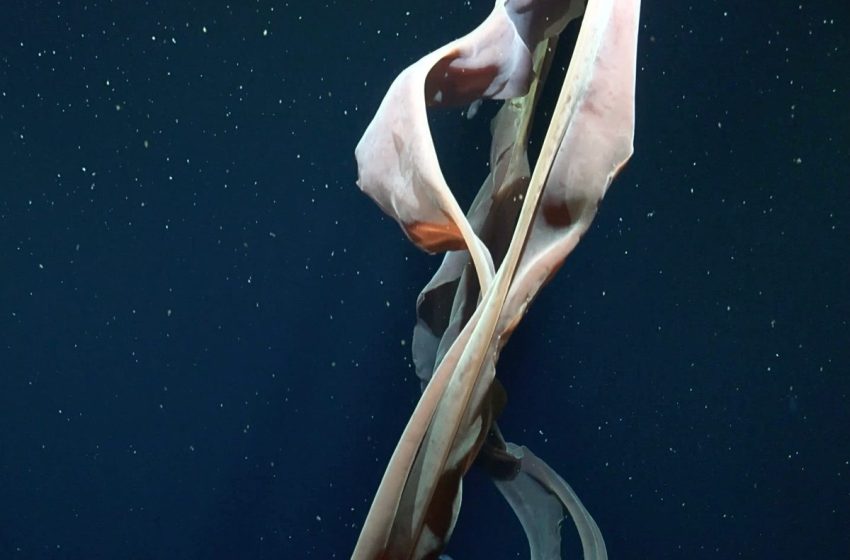
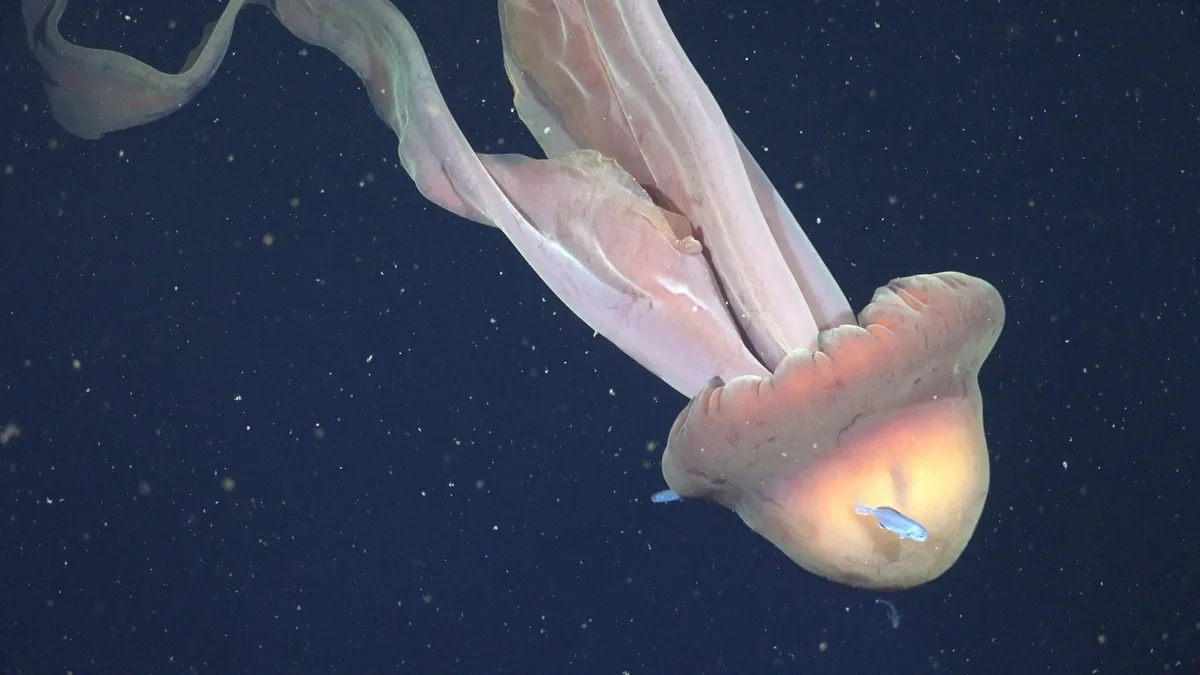
Using a remotely operated vehicle known as ROV SuBastian, the team also stumbled upon a rare giant phantom jelly (Stygiomedusa gigantea). These titans of the deep ocean have four long arms that can grow up to 10 metres long – that’s as long as a school bus – while their bell can reach up to 1 metre in diameter.
Footage from the remotely operated vehicle (ROV) shows a giant phantom jelly drifting through the darkness off the coast of Argentina. Credit: ROV SuBastian | Schmidt Ocean Institute
“We were not expecting to see this level of biodiversity in the Argentine deep sea and are so excited to see it teeming with life,” says the expedition’s chief scientist, María Emilia Bravo.
“Seeing all the biodiversity, ecosystem functions, and connectivity unfolding together was incredible. We opened a window into our country’s biodiversity only to find there are so many more windows left to be opened.”
Whale fall recorded at a depth of 3,890 metres. These dead animals serve as temporary ecosystems and a food source for animals such as octopuses, sharks and crabs. Credit: ROV SuBastian | Schmidt Ocean Institute
The team’s research area spanned the length of Argentina’s coast, from Buenos Aires in the north to Tierra del Fuego in the south. Their main goal was to find cold seeps – deep-sea environments where methane and other chemicals are released from the seafloor.
Cold seeps provide energy for microbes, which in turn are a source of food and nutrition for animals such as tube worms, mussels and clams. The team located one huge seep, which was almost the size of the Vatican City.
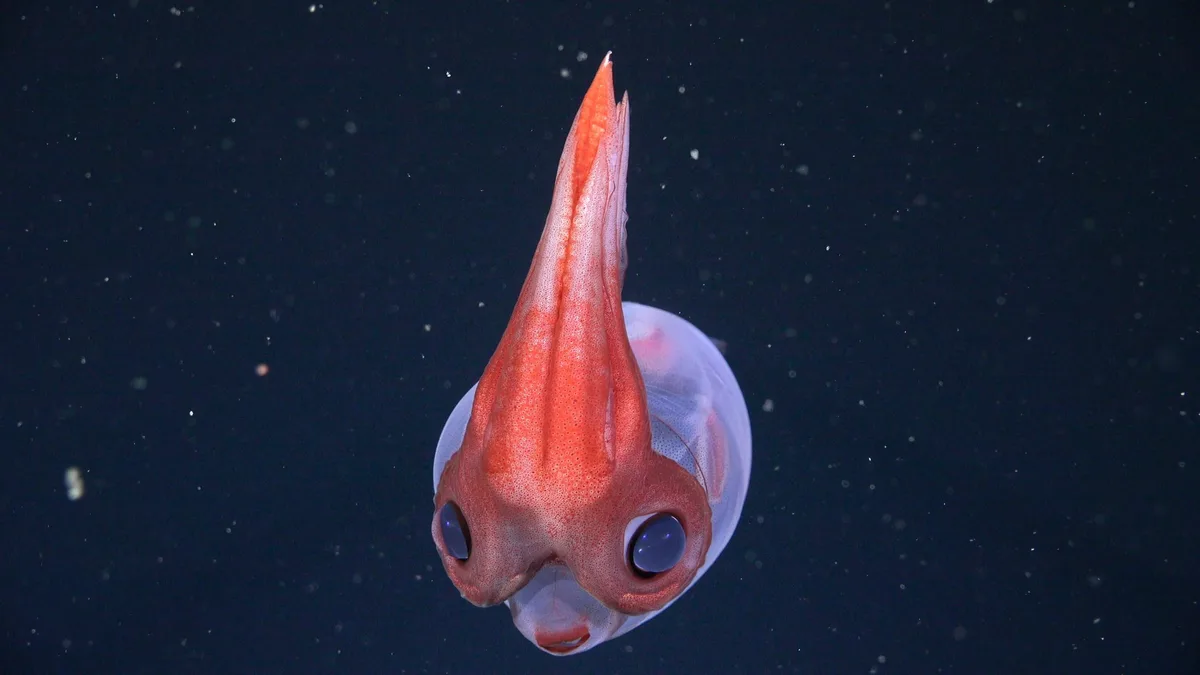
ROV pilots filmed this glass squid at 1,725 metres while exploring the Colorado-Rawson submarine canyon off the coast of Argentina. Credit: ROV SuBastian | Schmidt Ocean Institute
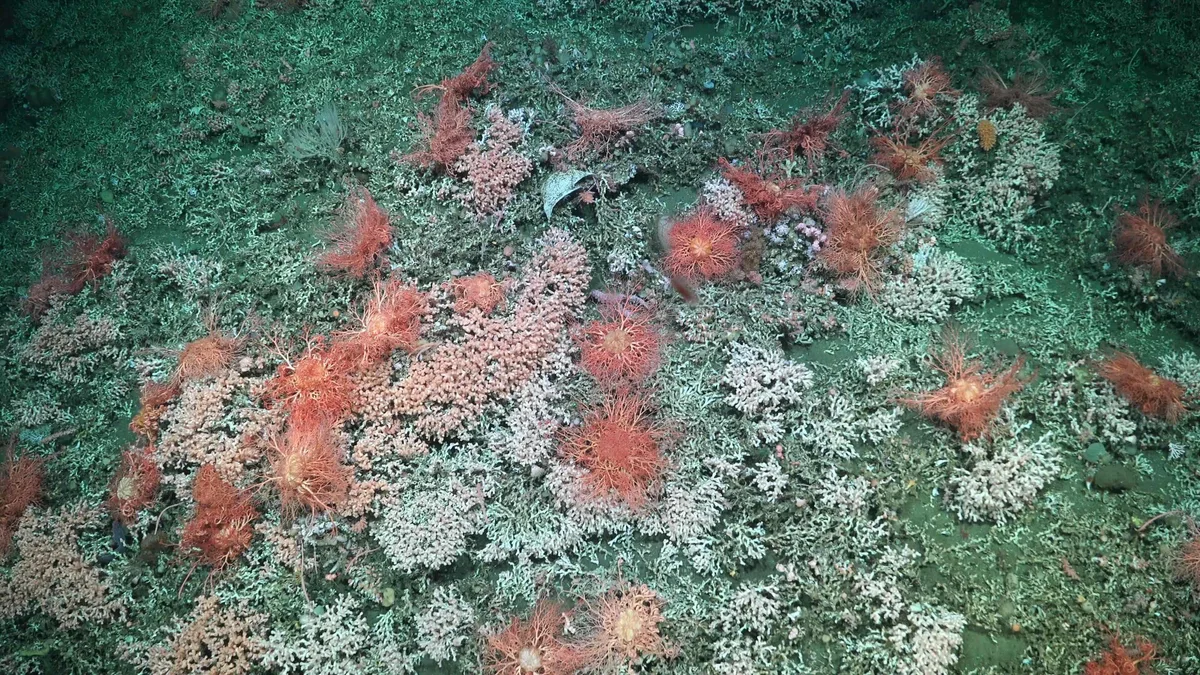
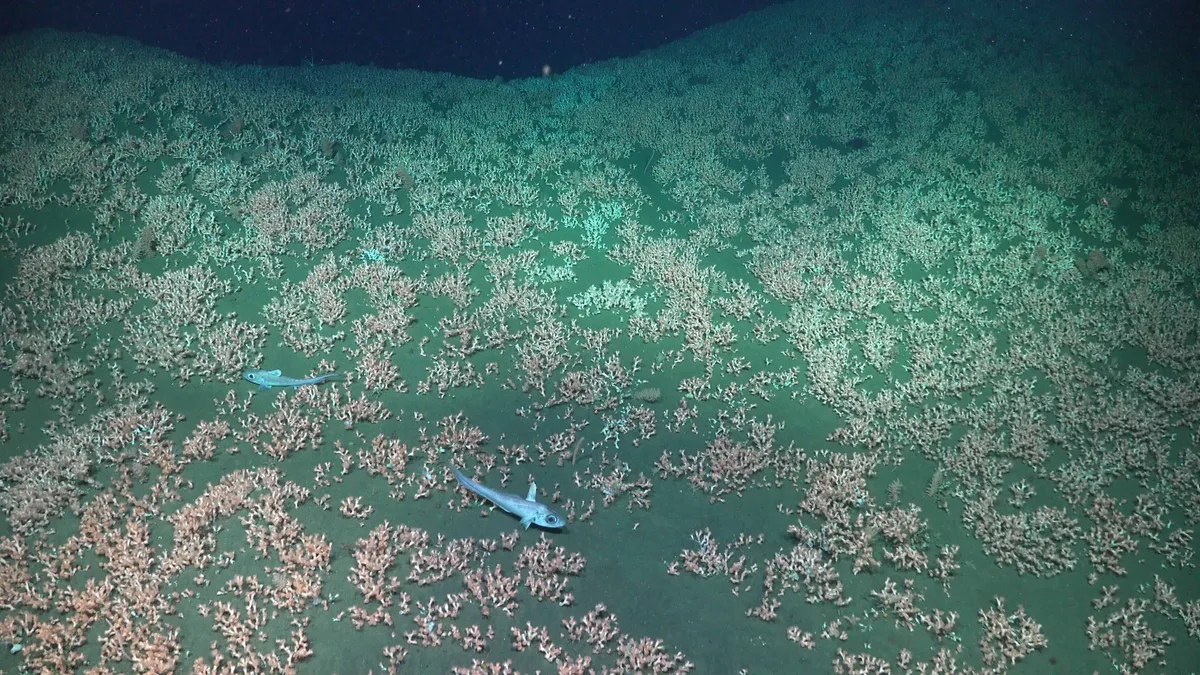
Another notable find was a vast coral reef made up of a stony cold-water coral known as Bathelia candida, which provides important habitat for fish, crustaceans and octopuses. Bathelia has been recorded throughout the Southwestern Atlantic Ocean, however, the reefs found during this latest expedition extend its range 600 kilometres (373 miles) further south than was previously known.
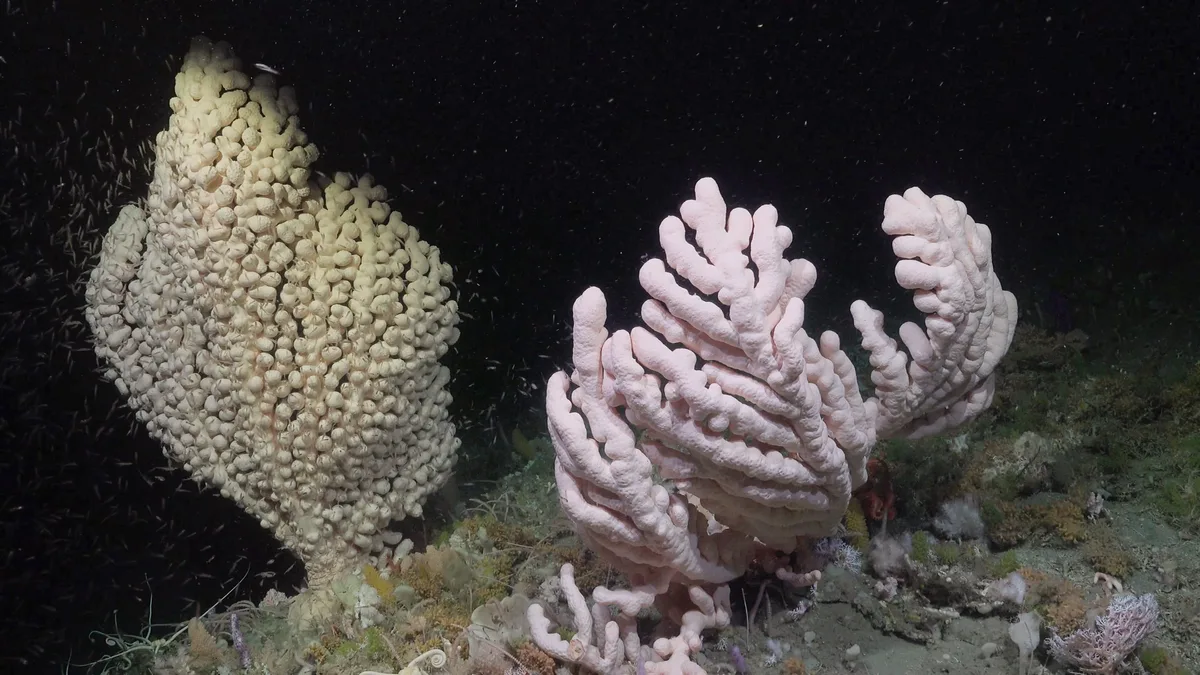
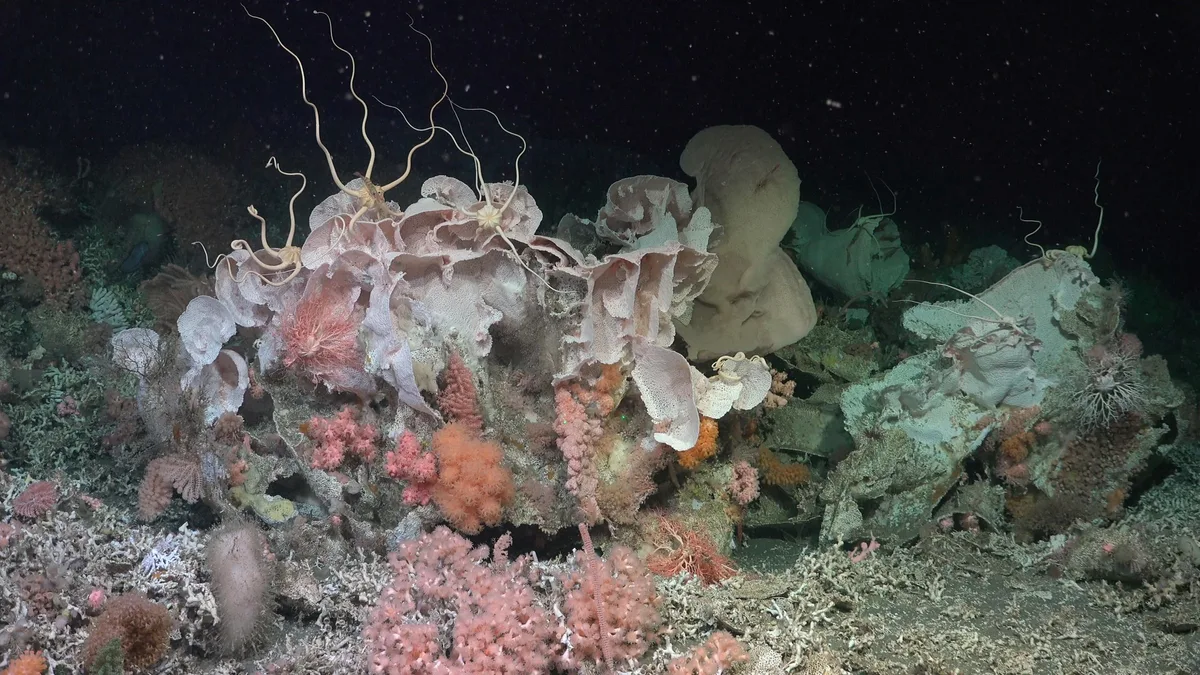
At the bottom of the 3,000-metre-deep Malvinas Trough, off the coast of Tierra del Fuego, the researchers observed large sponges sheltering bubblegum coral gardens (Paragorgia arborea) – the branch tips of these ancient white, red or salmon-coloured corals are bulbous, giving them their bubblegum name.
Bubblegum corals filmed by ROV pilots at a depth of 500 metres on the southern flank of the Malvinas Trench. These corals grow at a rate of approximately 1 centimetre a year. As colonies exceed 1 metre in height, it indicates that they are likely to be hundreds of years old. Credit: ROV SuBastian | Schmidt Ocean Institute
“We collected an unprecedented number of chemical, physical and biological samples that will be used to understand connections in our waters for years to come,” says researcher Melisa Fernández Severini.
“These samples represent a unique opportunity to understand not only how extraordinary these extreme ecosystems are, but also how vulnerable they can be.”
Schmidt Ocean Institute’s executive director, Jyotika Virmani, says, “With every expedition to the deep sea, we find the ocean is full of life – as much as we see on land, and perhaps more because the ocean contains 98% of the living space on this planet.
“We have been privileged to work with outstanding scientists across three expeditions in Argentinian waters and look forward to seeing their research continue to unfold, unlocking new understanding and inspiration.”
In pictures: deep-sea expedition off Argentine coast
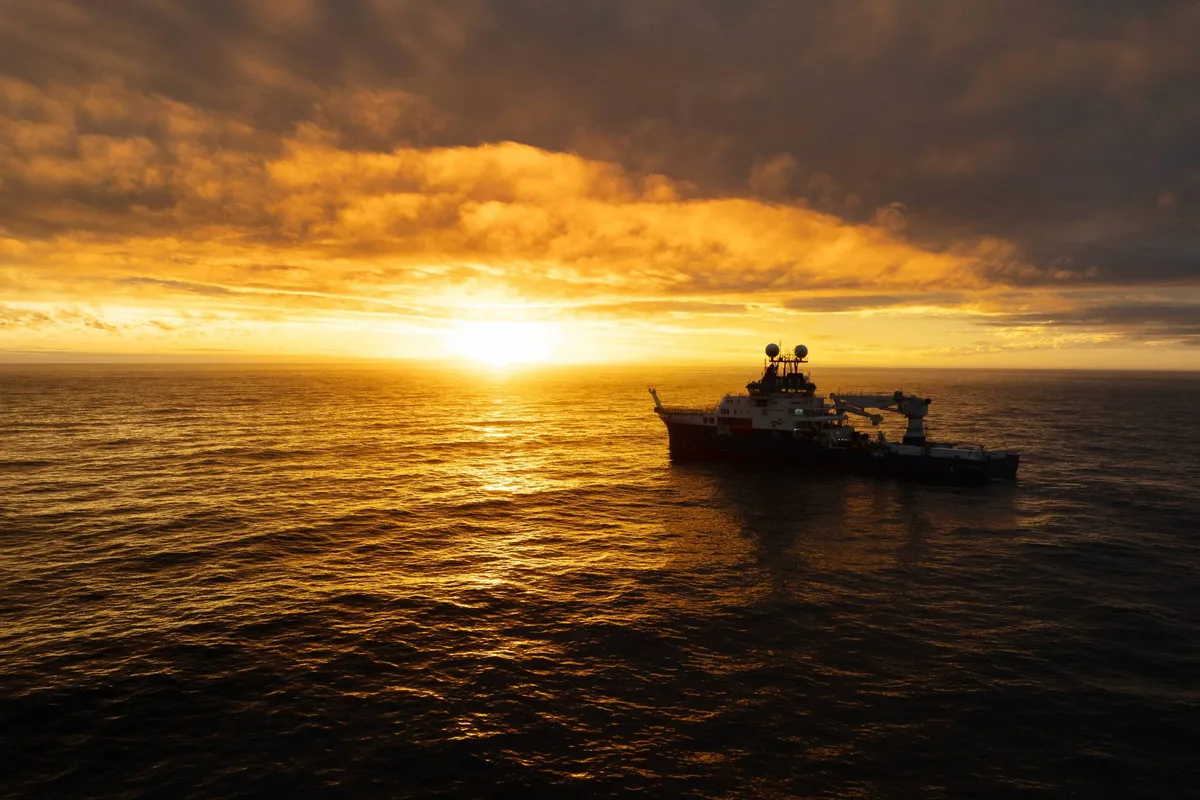
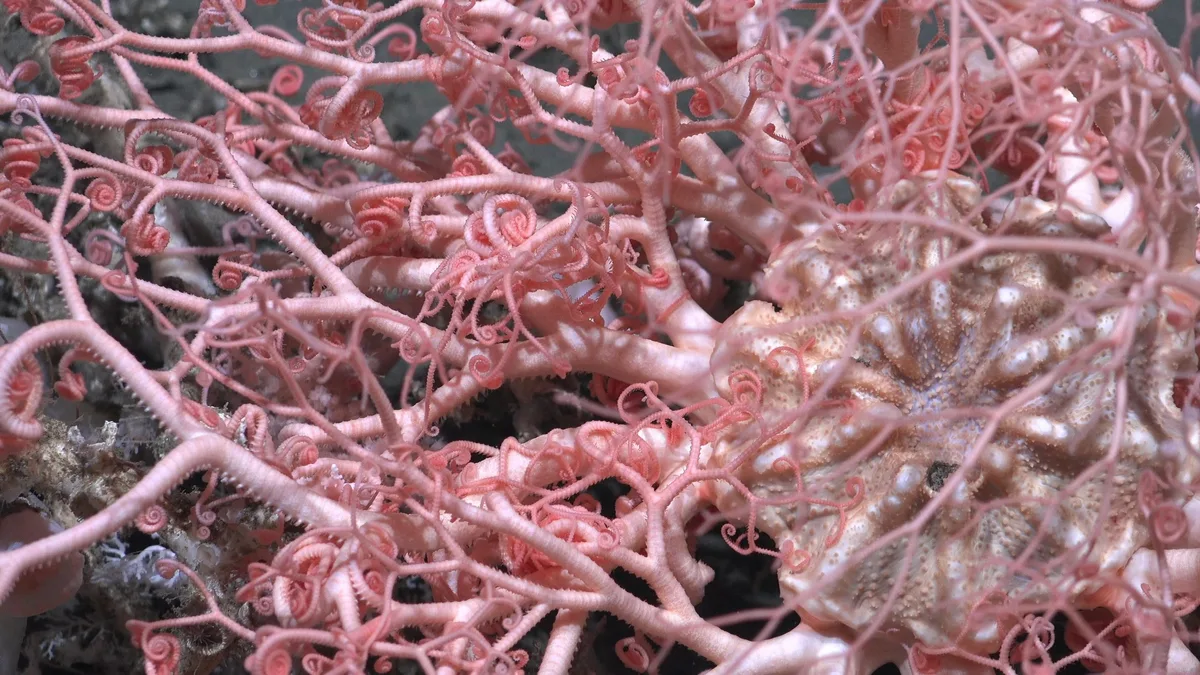
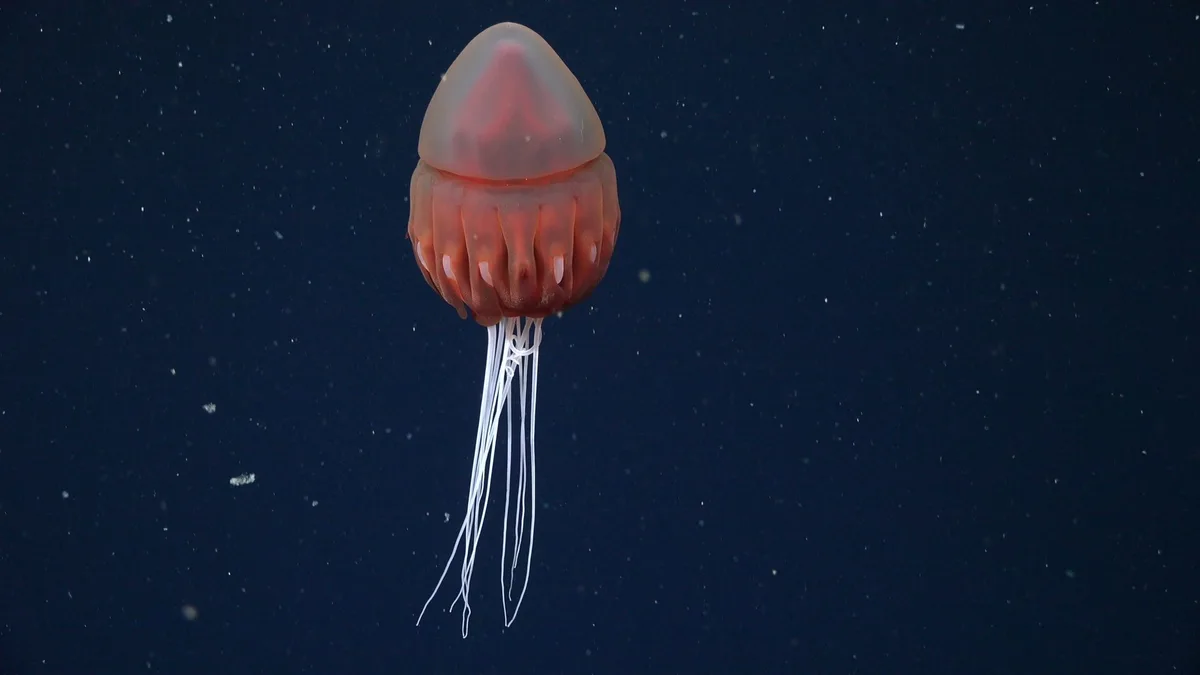
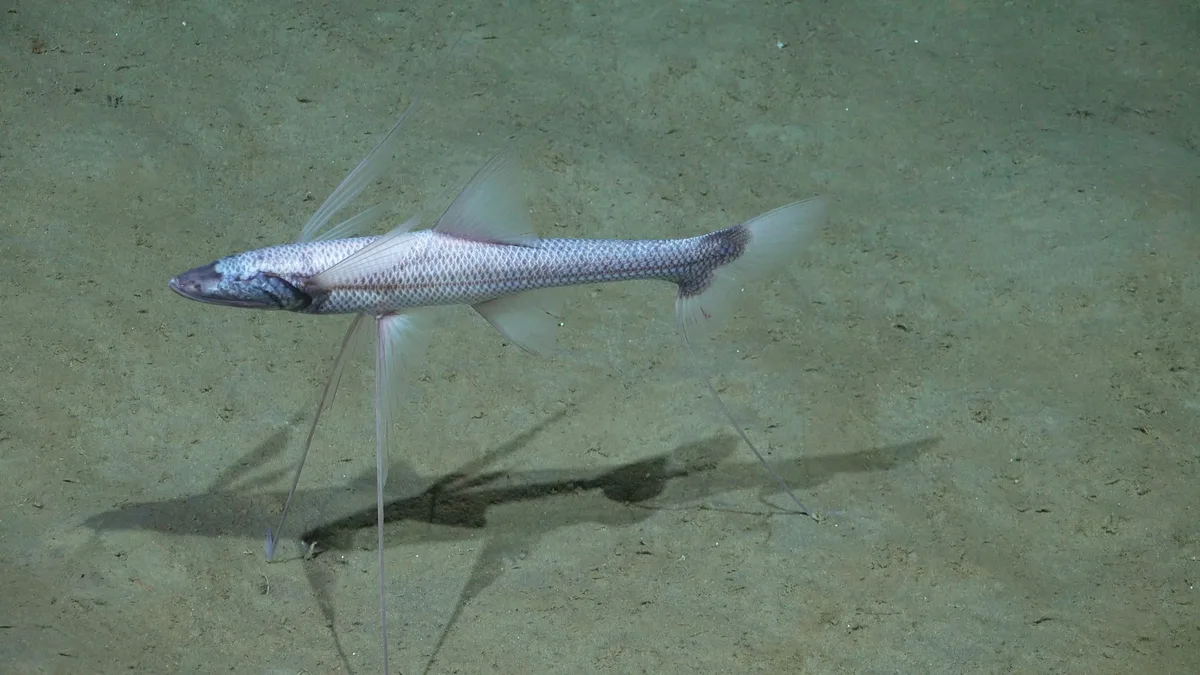
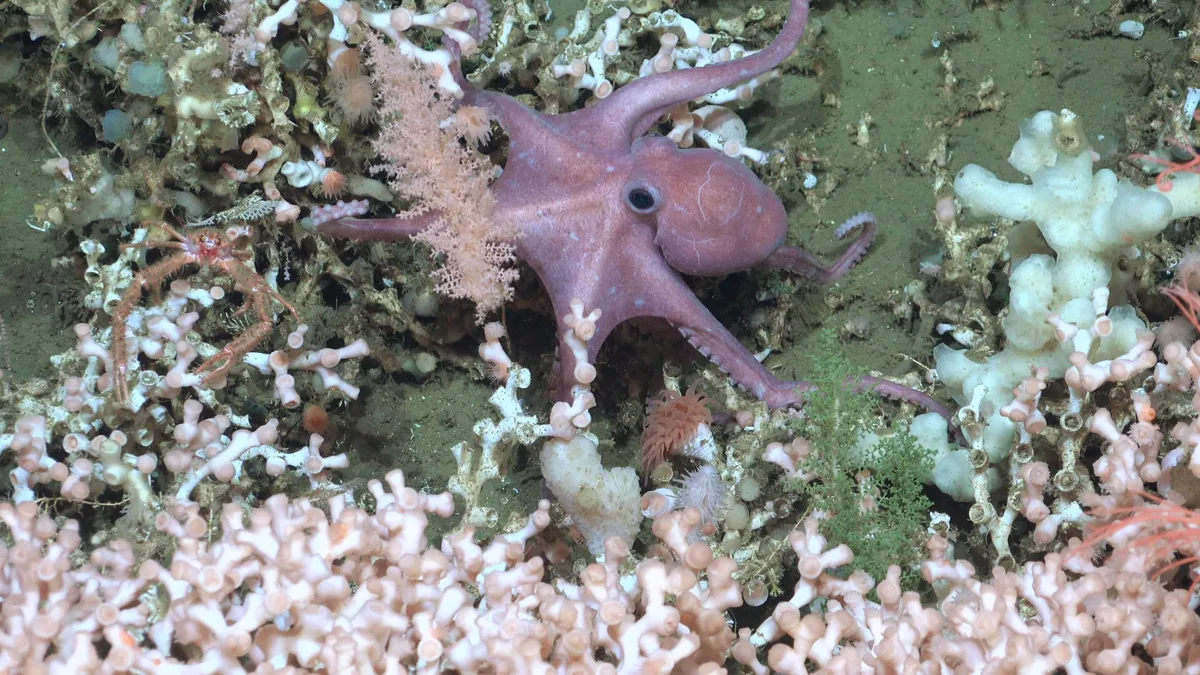
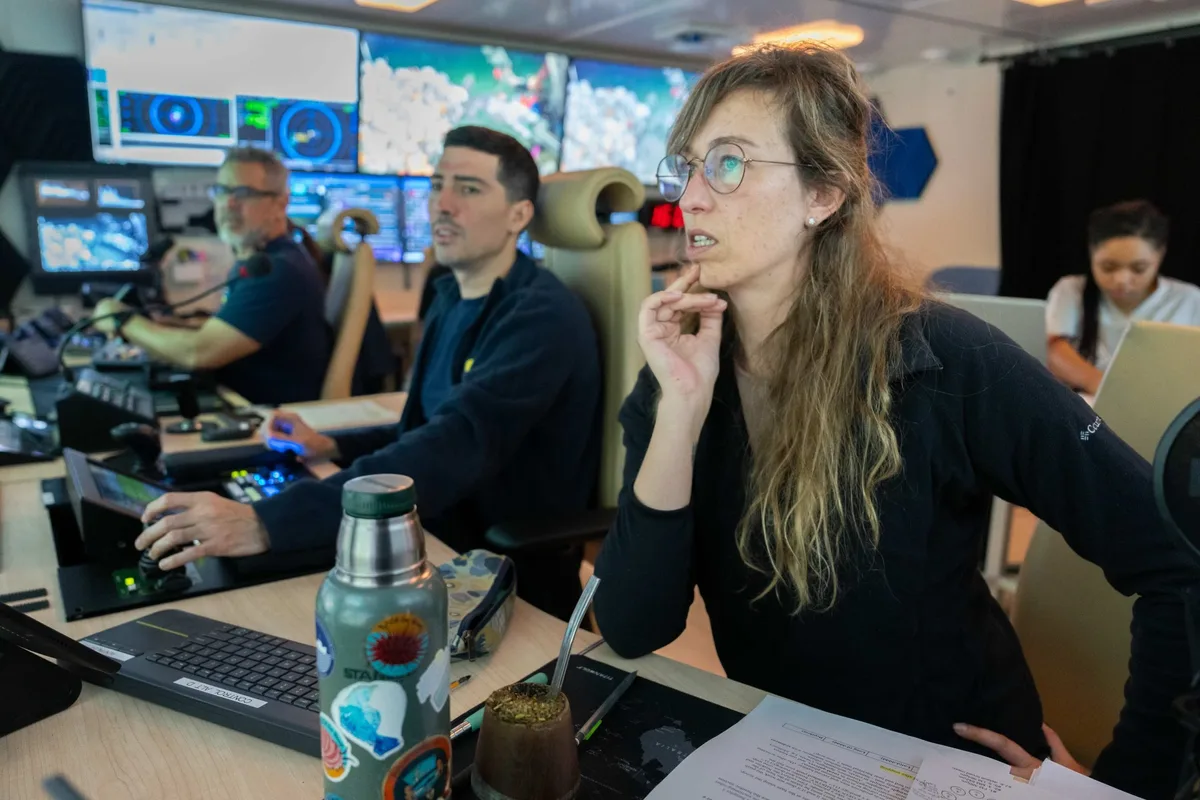
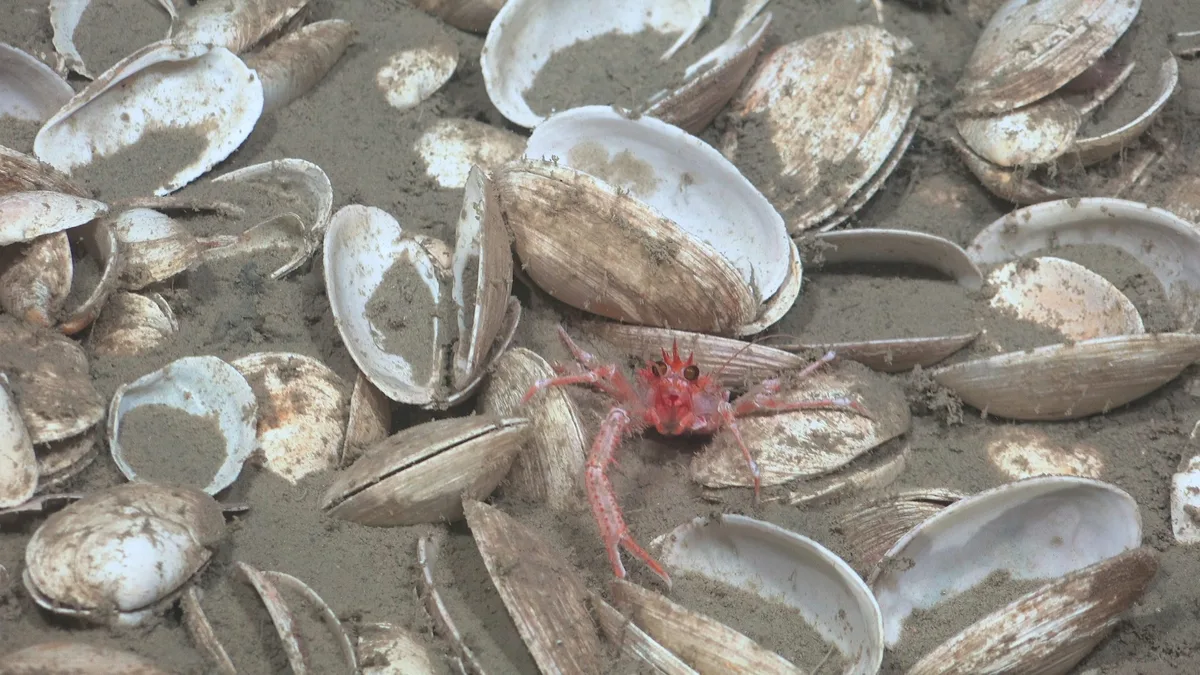
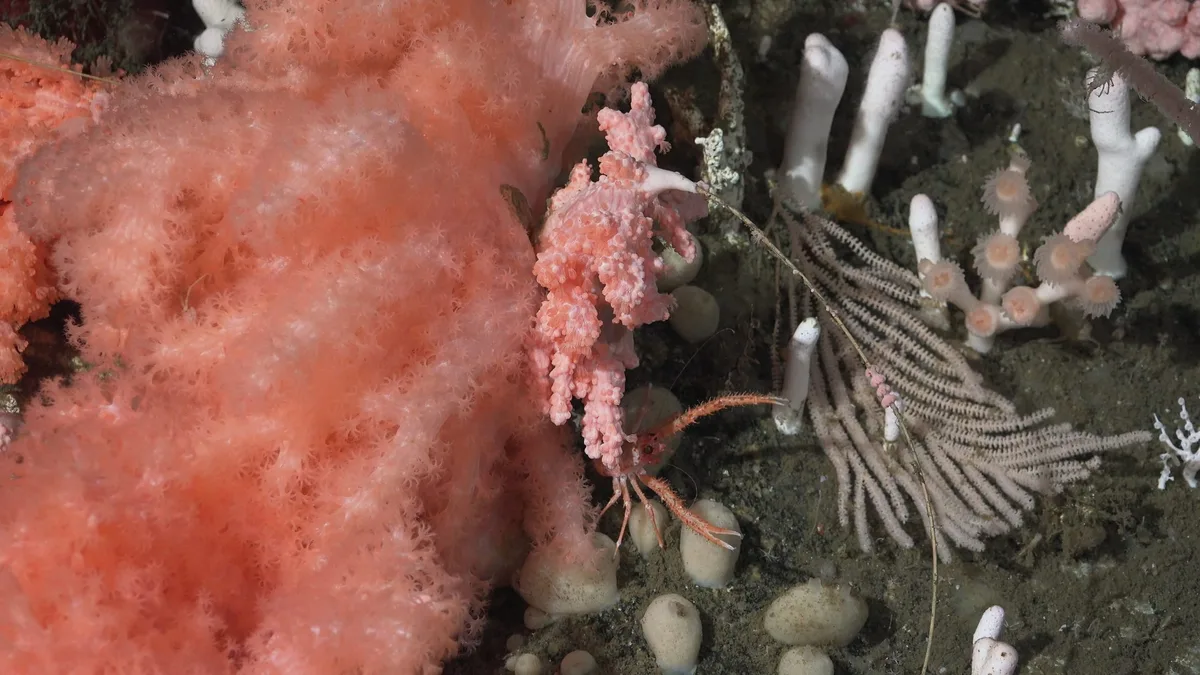
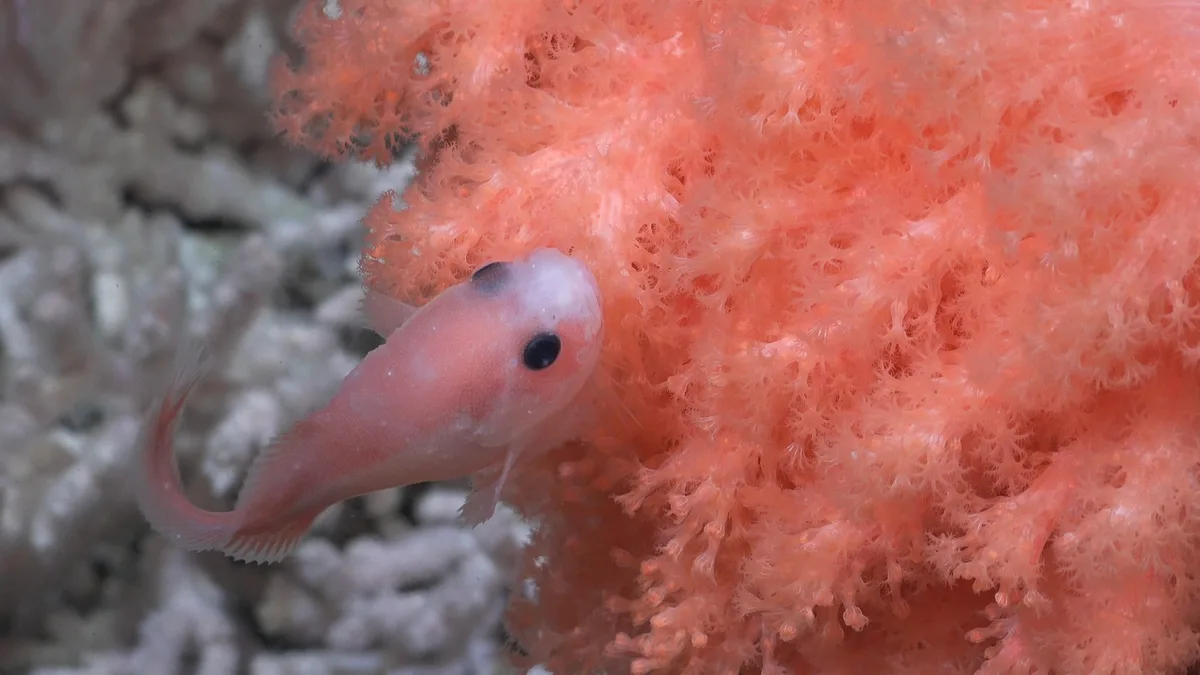
ROV SuBastian was deployed from Research Vessel Falkor (too). Credit: ROV SuBastian | Schmidt Ocean InstituteRocky surfaces offer a hard surface for immobile animals such as corals and sponges to cling to. ROV pilots filmed this seafloor community at 931 metres. Credit: ROV SuBastian | Schmidt Ocean InstituteROV pilots zoomed in on this basket star (Gorgonochephalus chilensis), a suborder of brittle stars, at a depth of 1,050 metres. Credit: ROV SuBastian | Schmidt Ocean InstituteDeep-sea jellyfish prefer the darker depths, where their red hue helps keep them hidden (red is harder to see in the deep) and helps disguise bioluminescent prey in their bellies. ROV pilots filmed this Periphylla at 2,070 metres while exploring the Colorado-Rawson submarine canyon. Credit: ROV SuBastian | Schmidt Ocean InstituteThis tripod fish was observed at 2,700 metres on an escarpment in the Argentine Basin. Credit: ROV SuBastian | Schmidt Ocean InstituteWith their three-dimensional structure, deep-sea corals provide shelter, nursery grounds, spawning areas and feeding habitats for many other species, such as this charismatic octopus. ROV pilots capture this image at 1,010 metres along the Argentine Continental Slope. Credit: ROV SuBastian | Schmidt Ocean InstituteExpedition chief scientist María Emilia Bravo directs an ROV SuBastian dive from the mission control room on the Research Vessel Falkor (too). Credit: Misha Vallejo Prut | Schmidt Ocean InstituteScientists observed this squat lobster in a bed of chemosynthetic clam shells at 619 metres. Credit: ROV SuBastian / Schmidt Ocean InstituteJuvenile fish (Centrolophus sp.) swim around the bell of a giant phantom jelly, which ROV pilots filmed at 250 metres. Credit: ROV SuBastian | Schmidt Ocean InstituteIn this image, red and pink basket stars (Gorgonocephalus chilensis) perch on top of white hard corals (primarily Bathelia candida and Solenosmilia sp.). The sea stars and corals actively feed by capturing particles and small organisms from the water. Credit: ROV SuBastian | Schmidt Ocean InstituteA squat lobster takes shelter in a coral mound at a depth of 1,070 metres along the Argentine Continental Slope. Coral mounds are accumulations of calcified coral structures that build up over thousands of years. Credit: ROV SuBastian / Schmidt Ocean InstituteThese reef-forming corals (Bathelia candida and Solenosmilia sp.) cover hundreds of metres of a submarine canyon wall on the Patagonian Continental Margin, at depths of approximately 1,044 metres. Credit: ROV SuBastian / Schmidt Ocean InstituteScientists observed this snailfish swimming near a nephteid soft coral, which is growing on top of a coral mound located at 1,075 metres. Credit: ROV SuBastian / Schmidt Ocean Institute
Top image: Giant phantom jelly. Credit: Schmidt Ocean Institute
More amazing wildlife stories from around the world