


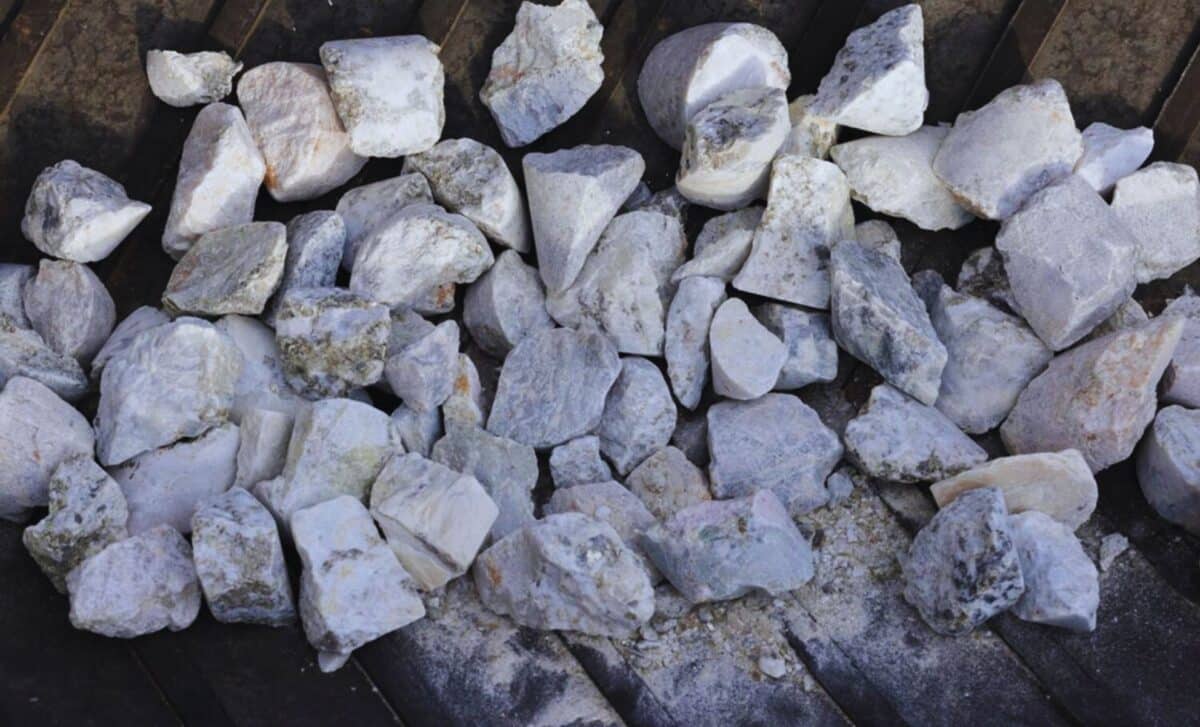
A $1.5 Trillion Lithium Reserve Unearthed Beneath an Ancient Supervolcano
Tucked deep inside the McDermitt Caldera on the Nevada-Oregon border, the deposit is worth a staggering $1.5 trillion, potentially putting the United States on the map as a global lithium powerhouse. While some are calling it the key to energy independence, others are raising urgent alarms about the environmental and cultural cost of extracting it.
Lithium, as it turns out, is the linchpin of the future—at least, that’s what everyone seems to agree on. With the global push toward electric vehicles and renewable energy, demand for the metal has never been higher. Yet this particular discovery—hidden under layers of ancient volcanic rock—presents a particularly tricky dilemma. Is it possible to extract these riches without irreparably harming the land and the communities that depend on it?
A $1.5 Trillion Path to Energy Autonomy
Lithium is increasingly viewed as the critical resource that will power the future, from electric vehicle batteries to renewable energy storage. According to the study published in Minerals, the McDermitt Caldera’s lithium reserves could be some of the largest on the planet, potentially rivaling or even surpassing those found in South America and China. For the U.S., this discovery could offer a golden opportunity to reduce its dependence on foreign suppliers.
The economic potential is enormous. If mined efficiently, these reserves could fuel the U.S. energy transition and drastically alter global supply chains. Investors are already eyeing the site, with tech companies and electric vehicle manufacturers eager to secure their share of this newfound treasure.
There’s a HUGE lithium reserve in Nevada, along the border with Oregon.
Up to 40 million tons of lithium., & is potentially the world’s largest lithium reserve.
Time to mine our own lithium. pic.twitter.com/vVnCBdStht
— Derrick Evans (@DerrickEvans4WV) April 13, 2025
Sacred Land or Exploitable Resource?
While many are excited about the economic potential of the find, there’s strong opposition warning about the long-term consequences of mining the area. The McDermitt Caldera is an ancient, sacred site for Native American tribes.
Tribal leaders have been outspoken in their opposition, calling the mining plans an existential threat to their sacred lands. The prospect of these lands being torn up for lithium extraction has caused a rift between economic growth and cultural preservation.
Extraction Technology: A Double-Edged Sword
Unlike lithium reserves found in places like the salt flats of South America, the lithium beneath the McDermitt Caldera is encased in claystone. This makes extraction much more complex, and far more invasive. According to experts, it would require techniques like acid leaching, which carries significant environmental risks. Geologist Sammy Castonguay has voiced concerns over the potential damage to such an ancient geological feature.
“This feature is 16 million years old,” he said. “And we’re making decisions that could alter it forever.”
While mining technology has advanced enough to make large-scale extraction possible, the long-term impact is still uncertain. Could this process permanently change a region that has been around for millions of years? Or is there a way to do it that causes less harm? As Greg Smith, director of economic development in Malheur County, pointed out:
“We need to do this the Oregon way – with full accountability and shared benefits.”
First Appeared on
Source link






