


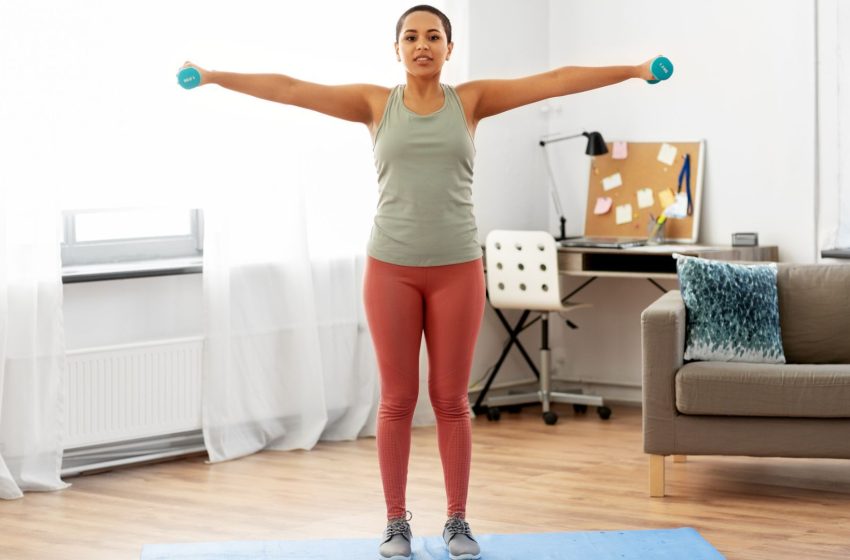
A trainer wants you to try this five-minute workout to improve your posture and mobility
Upper-body workouts are about more than toning your arms. They help build strength and mobility, so you can move more easily throughout your day.
“Upper-body circuits reinforce healthy shoulder mobility, improve posture and strengthen through positions you use in daily life—lifting, reaching, pushing and pulling,” says certified personal trainer Felicia Hernandez.
But that doesn’t mean you need to lift heavy weights, or head to a gym, to look after your upper body.
Hernandez, a trainer at Eden Health Club, has a five-minute upper-body workout you can do from the comfort of your home, at any time of day.
“This mini workout keeps your arms strong, your shoulders moving smoothly, and your body primed to support the real things you care about—like carrying groceries, reaching high shelves, or simply standing tall with confidence,” says Hernandez.
How to do the five-minute upper-body workout
The workout consists of five exercises that you perform for one minute each. There’s no need to count how many times you do each exercise.
“Make sure to take your time and focus on controlled form and breathing,” says Hernandez. If you feel rushed, slow down and go at your own pace.
Hernandez recommends doing this low-impact routine three to four times a week, using it as a morning shakeout, workout warm-up or midday reset.
You can choose to do this workout with or without weights. With some of the exercises, you can incorporate dumbbells, but they work just as well with bodyweight only.
The five exercises are:
- Wall shoulder roll
- Wall push-up
- Alternating overhead reach and pull
- Lateral raise
- Isometric biceps hold with pulse
1. Wall shoulder roll
Time: 1min
- Stand with your back and head against a wall, elbows bent to 90° and in line with your shoulders.
- Press your arms, shoulders and back gently into the wall.
- Slowly slide your arms up to form a Y shape—avoid arching your lower back.
- Slowly return to the starting position.
Benefits: The wall shoulder roll improves shoulder joint mobility, posture and scapular control (movement from your shoulder).
2. Wall push-up
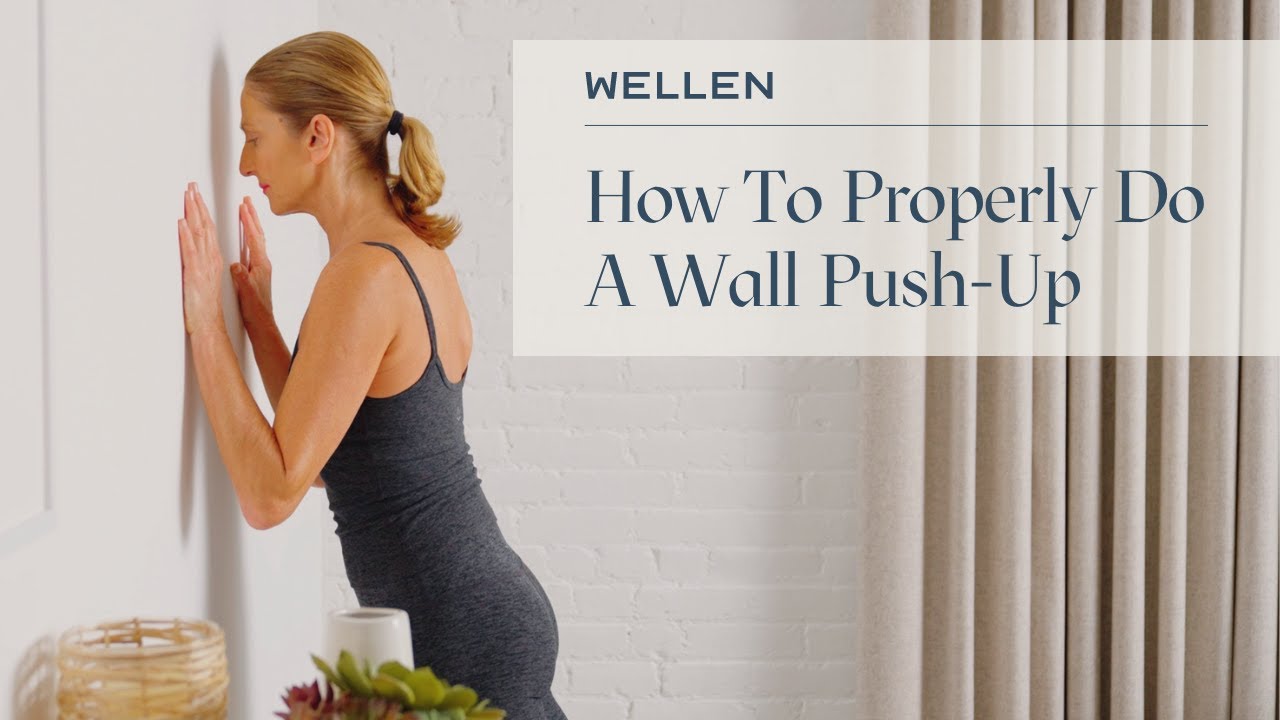
Time: 1min
- Place your hands slightly wider than shoulder-width apart on a wall.
- Take a step away from the wall, ensuring your body forms a straight line from head to heels. The further you step away from the wall, the more challenging the move.
- Bend your elbows to lower your chest slowly towards the wall, keeping your body in a straight line and your elbows close to your body.
- Extend your arms to press back up.
Benefits: This modified push-up strengthens your chest, arms and shoulders in a joint-friendly range, ideal for beginners or those easing back into strength work.
3. Alternating overhead reach and pull
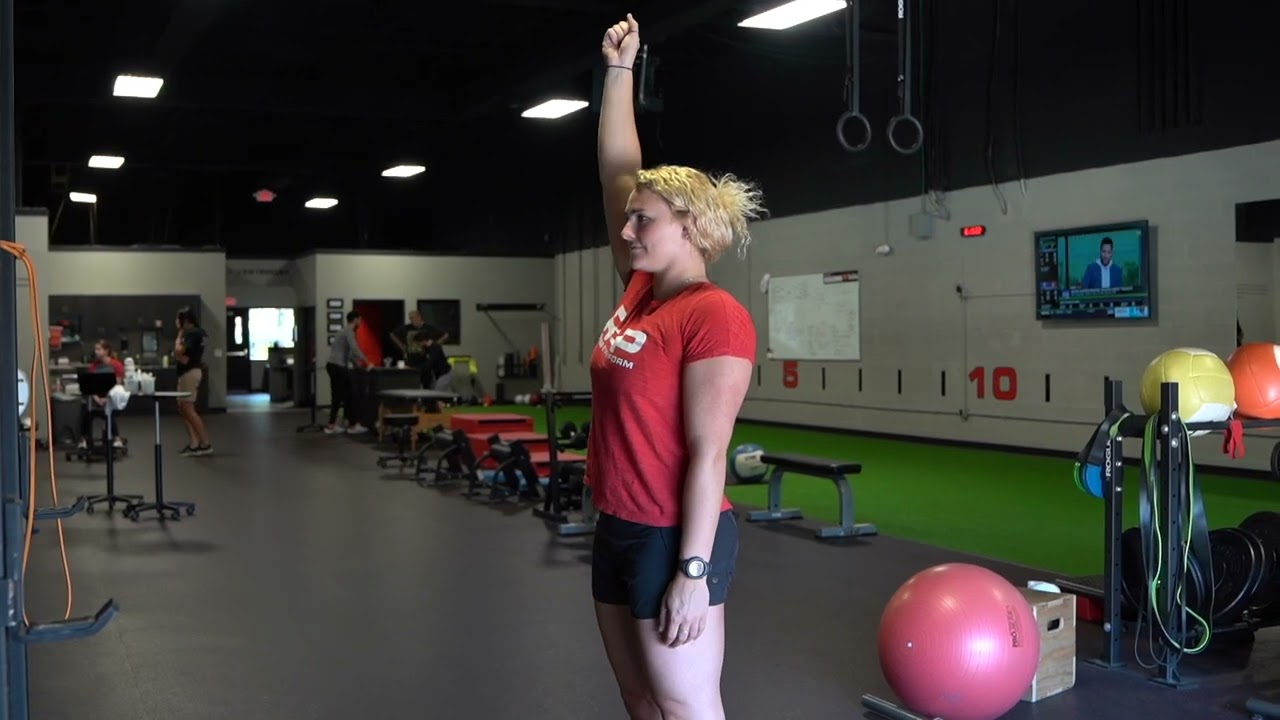
Time: 1min
- Stand tall or sit upright.
- Raise both arms overhead.
- Pretend you’re slowly pulling down a rope, drawing your elbows toward your rib cage.
- Extend arms back up with control.
- Alternate sides or perform both arms at once.
Benefits: The movement targets your lats and upper-back muscles, while delivering a surprising core challenge.
4. Lateral raise
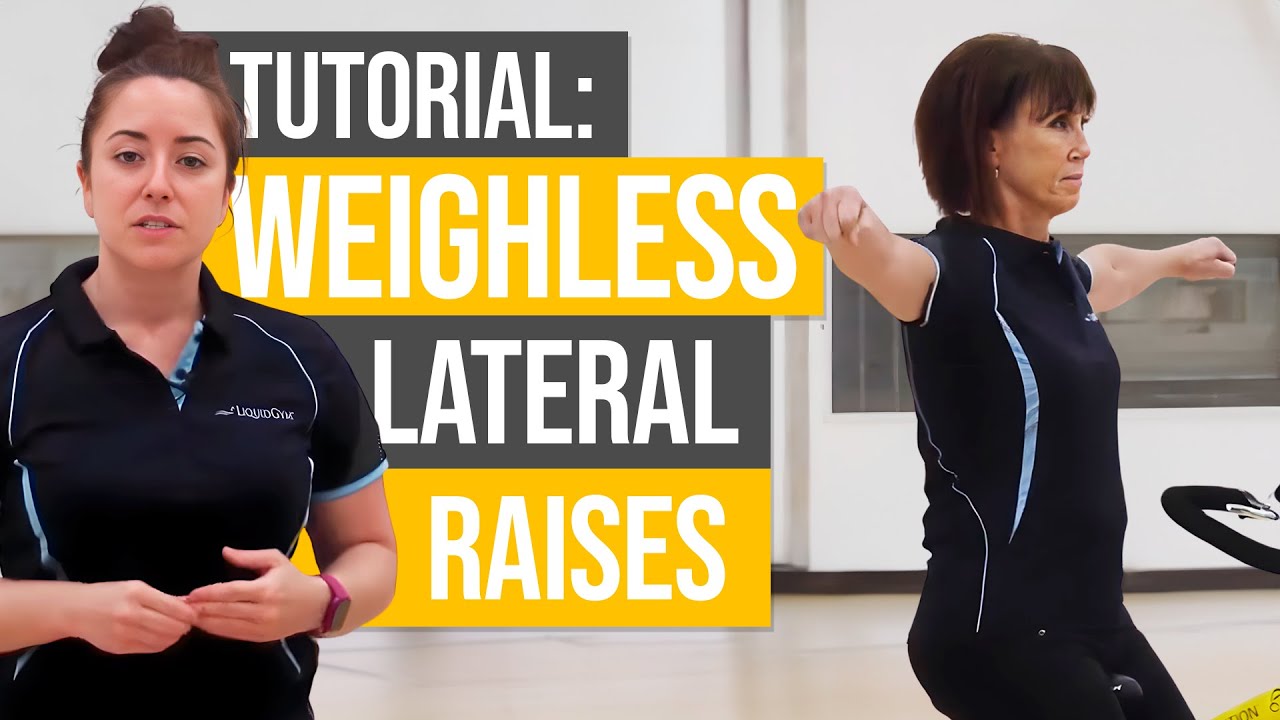
Time: 1min
- Stand with a slight bend in your knees and elbows. You may hold light dumbbells by your sides, but the exercise can be performed without weights.
- Slowly raise your arms out to the sides to shoulder height.
- Keep your shoulders relaxed; the movement should be powered by your mid-back and shoulder muscles.
- Lower with control.
Benefits: This strength training staple builds shoulder stability and improves joint health even without weights.
5. Isometric biceps hold with pulse
Time: 1min
- Stand with your hands in front of your thighs, palms facing forward. You may hold dumbbells if you wish.
- Keeping your upper arms pinned to your torso, bend your elbows to lift your forearms to horizontal.
- Squeeze your fists or the dumbbells, and pulse your hands up one inch and back down.
- Perform pulses for one minute, focusing on muscle activation, not speed.
Benefits: You will engage your biceps and forearms, while building muscular endurance and grip strength.
First Appeared on
Source link






