


African countries under the US Level 4 travel alert rise to eight with new addition
Niger has been added to the United States’ Level 4 travel advisory list, bringing the number of African countries under the highest US travel alert to eight.
The advisory highlights terrorism, kidnapping, violent crime, civil unrest, and weak emergency and healthcare capacity as core risks. U.S. authorities confirmed that they cannot provide routine or emergency consular services outside Niamey, while a state of emergency and movement restrictions remain in force across large parts of the country.
These attacks, alongside broader instability in Niger’s border regions and across the Sahel, prompted Washington to elevate the country to a Level 4 travel advisory.
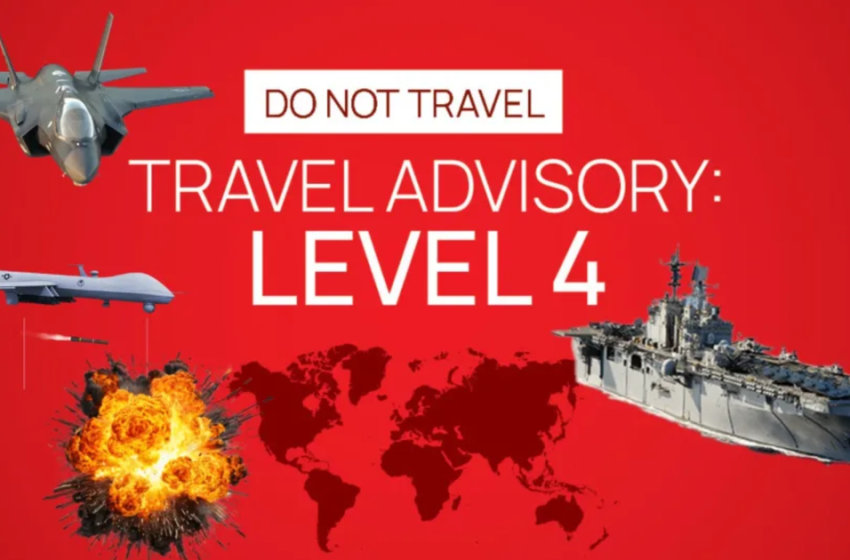
The US travel advisory system ranges from Level 1, which advises travellers to exercise normal precautions, to Level 4, which urges citizens not to travel due to extreme safety risks. In summary, Level 4 is the highest alert category and is reserved for countries facing severe security threats such as armed conflict, terrorism, widespread crime, or political instability that significantly endangers foreign nationals.
Under the new rules, foreigners travelling outside the capital must do so with Nigerien military escorts, and U.S. government employees are required to move only in armored vehicles, observe strict curfews, and avoid restaurants and open-air markets.
The guidance urges U.S. citizens remaining in Niger to adopt similar precautions, warning that terrorist groups remain active nationwide and continue to target foreign interests through attacks and kidnappings.
Why Africa dominates the highest US travel risk category
Other African states currently designated Level 4 include Libya, Mali, Burkina Faso, Central African Republic, South Sudan, Sudan, Somalia, and parts of the Sahelian corridor, where insurgencies, civil wars, and state fragility persist.
In eastern and central Africa, long-running conflicts and militia violence continue to undermine civilian safety and humanitarian access. In Sudan and South Sudan, large-scale warfare and political breakdown have made external assistance and evacuation operations increasingly difficult.
For countries placed under Level 4 advisories, the consequences extend beyond travel warnings. Tourism collapses, foreign investment decisions are delayed or cancelled, and diplomatic engagement becomes more limited as embassies scale back operations.
The growing list also signals how structural insecurity, rather than isolated crises, is shaping international perceptions of risk across parts of Africa.
As the number of Level 4 alerts continues to rise, the message from Washington is stark: without sustained improvements in security, governance, and emergency response capacity, more African states risk deeper isolation from global travel, business, and diplomatic networks.
First Appeared on
Source link






