


Air pollution directly linked to Alzheimer’s risk, scientists say
Unlock the Editor’s Digest for free
Roula Khalaf, Editor of the FT, selects her favourite stories in this weekly newsletter.
Breathing in tiny air pollution particles is linked to a higher risk of developing Alzheimer’s, data on tens of millions of older Americans suggests.
The study by a team of scientists at Emory University in the US state of Georgia shows that fine particulate matter released by the combustion of fossil fuels may damage brain health more directly than previously thought.
“Overall, the study reinforces a simple idea: what we breathe over many years can shape how our brains age,” said Mark Dallas, associate professor in cellular neuroscience at the University of Reading.
The study published on Tuesday in the journal Plos Medicine draws on health and location data from 28mn over 65-year-olds in the US between 2000 and 2018. It shows that incidence of dementia increased in postcodes with a higher concentration of fine particles in the air.
Scientists are working on why air pollution is linked to dementia and say this paper could help narrow down the options.
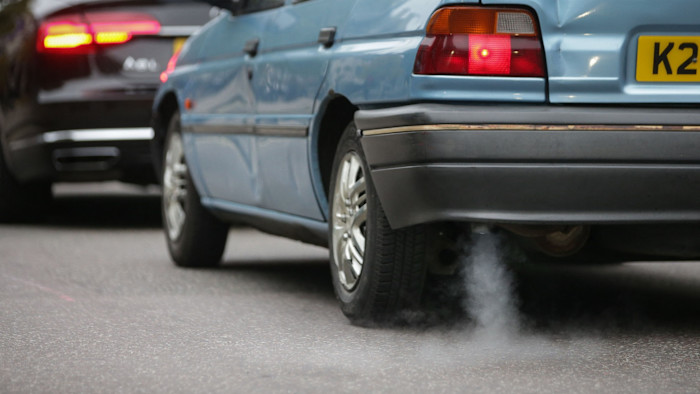
The US Environmental Protection Agency moved late last year to soften federal rules limiting this type of pollution, which typically comes from car exhausts, wildfires and industrial processes or combustion. US President Donald Trump scrapped a landmark ruling last week that underpinned the EPA’s authority to regulate greenhouse gas emissions.
Participants in the study were, on average, exposed to concentrations twice as high as the annual level recommended by the World Health Organization to minimise health risks.
The study found people living in more polluted areas were more likely to develop not just Alzheimer’s but also hypertension, stroke and depression, which are themselves common risk factors for dementia.
But most of the extra cases of Alzheimer’s in polluted areas arose independently of these chronic diseases, suggesting, though not proving, that pollution could directly cause dementia.
Independent scientists welcomed the large-scale study but flagged that it only estimated pollution exposure and risk factors such as weight and smoking habits based on an individual’s postcode or county.
Professor Eef Hogervorst, director of dementia research at Loughborough University’s National Centre for Sports and Exercise Medicine, said the research showed that the heart problems and other health concerns triggered by pollution could only partially explain the association with dementia.
Instead, pollution might for example promote deposits of toxic plaques in the brain or inflammation of its nervous tissue, she said. Scientists last year identified one possible explanation: that air pollution promotes the formation of abnormal protein clumps, so-called Lewy bodies, in the brain.
Hogervorst added public authorities and individuals should pay attention to the risk that pollution poses “for not only dementia, but also other high-cost morbidities, which can impact on disability, early death and independence”.
First Appeared on
Source link






