All That the Ice Leaves Behind
by Yvonne Vávra
One by one, they’re disappearing. The ice banks that rose after last month’s epic snowstorm are almost finished collapsing into grimy mounds along the curb. At first, they felt majestic and dramatic in a good way. But quickly, they became barricades that were hard to navigate, in ever-deepening shades of yellow and brown.
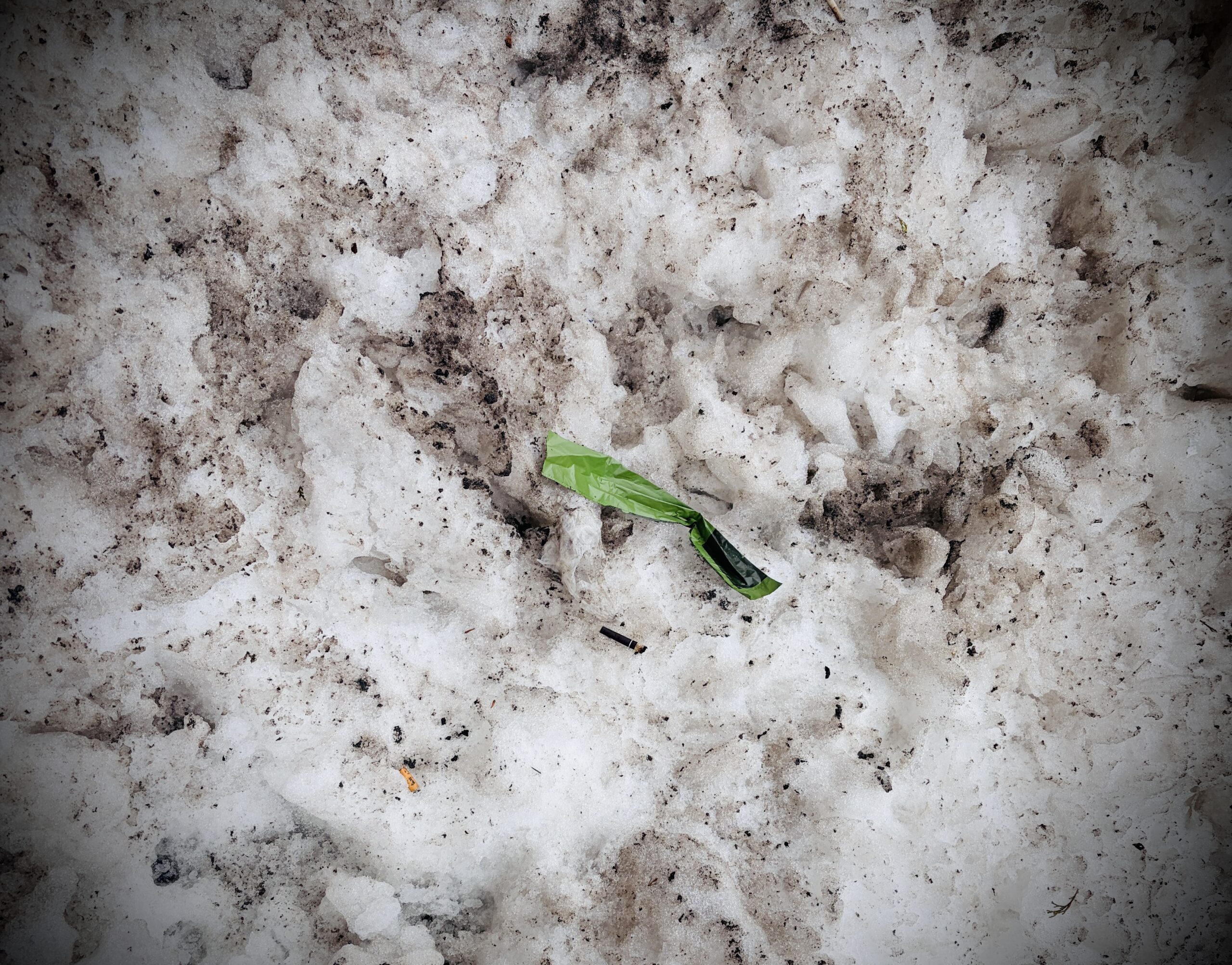
Now, as the city thaws, we’re saying goodbye to the ice and hello to everything it preserved. Wrappers, pill bottles, cigarette butts, takeout containers, an inexplicable amount of cardboard, and, yes, a faucet, are just some of the things I discovered in the melting messes. And then there’s what the dogs left behind — or rather, what their owners did. (Pupper West Siders aren’t to blame. All of them are pure as snow, and not the curb kind.)
Taken together, we’re looking at four weeks of neighborhood life. Compacted, frozen, and now revealed.
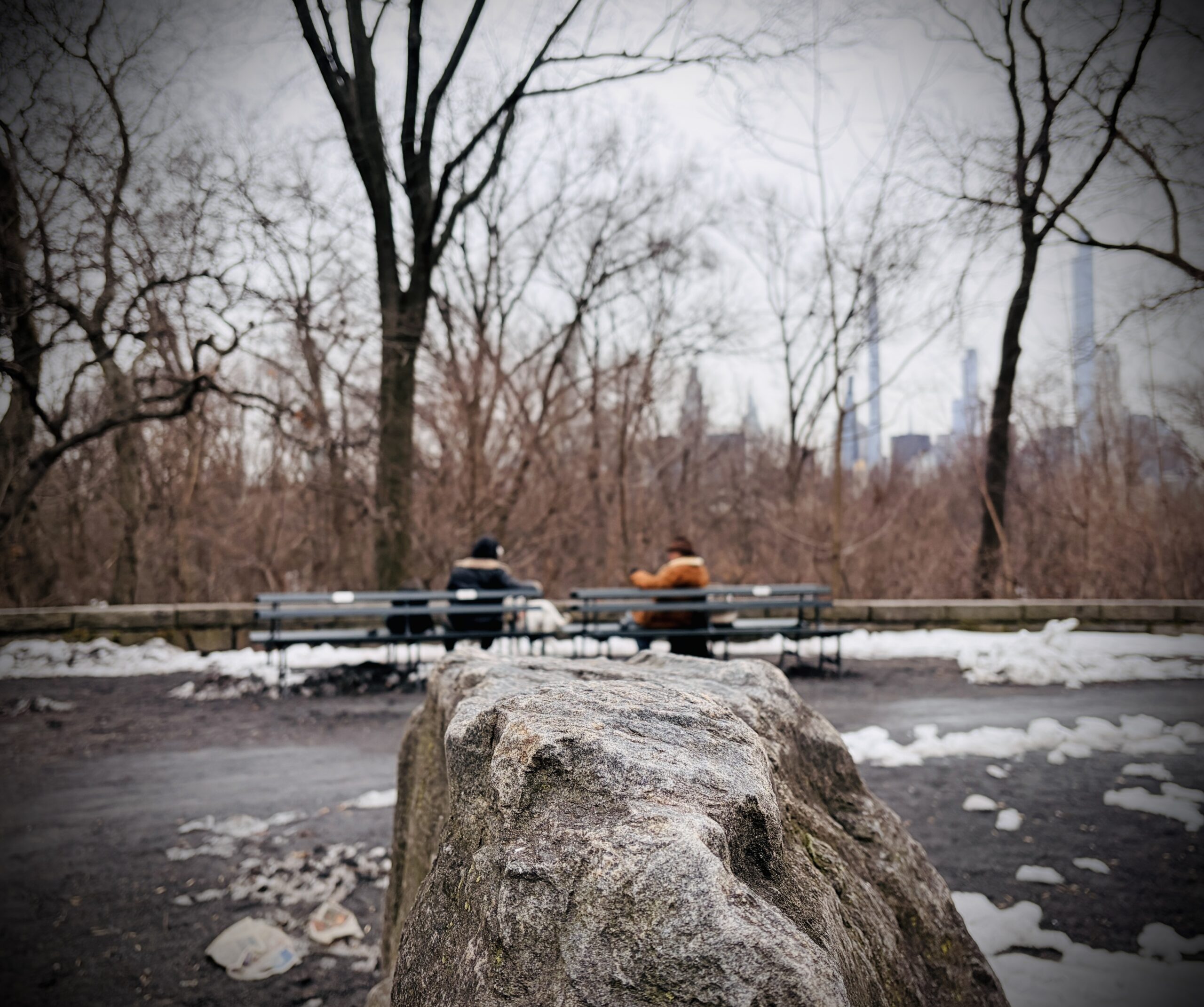
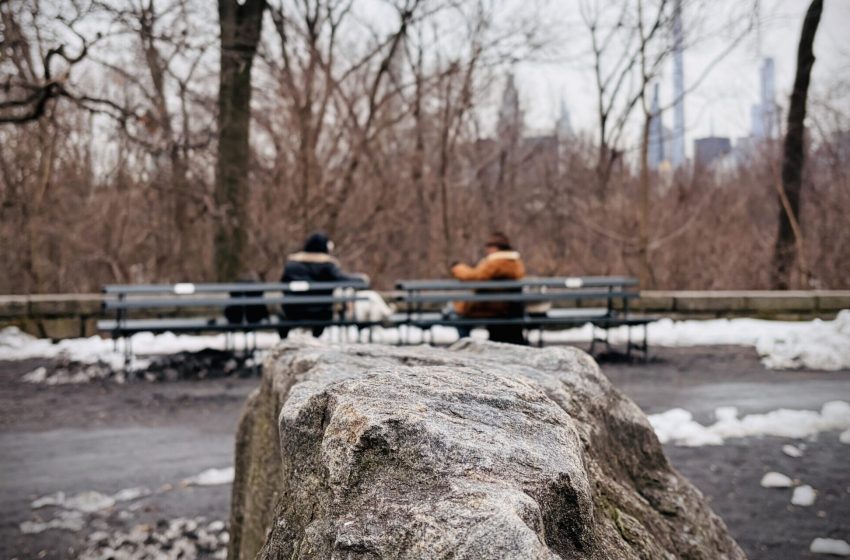
Go to Central Park and you’ll see what else can be left behind when ice clears the ground. Not this winter’s ice, though. An older, much older version. The OG ice. The one that began advancing about 2.6 million years ago, at the start of the most recent major ice age.
Its final act around here, known as the Wisconsin glaciation, pushed south from Canada roughly 90,000 years ago and reached New York City somewhere between 25,000 and 20,000 years ago, depending on which geologist you ask. But on the scale of Earth’s history, 5,000 years is nothing more than a hot minute. What matters is this: A massive wall of ice covered what would soon, a few hot minutes later, become the Upper West Side.
The ice is estimated to have been about 1,000 to 2,000 feet thick — at least as tall as the Chrysler Building, and possibly even taller than the 1,776-foot Freedom Tower. Picture it with Lady Liberty on top, pedestal included, and you’re in the right ballpark.
As this massive glacier moved along, carrying a medley of rocks, from giant boulders to tiny pebbles, it scraped and polished the landscape. When the ice began to melt and retreat around 18,000 years ago, it left behind exposed bedrock and everything it had gathered along the way, including the giant boulders now scattered across Central Park, still telling their Ice Age stories.
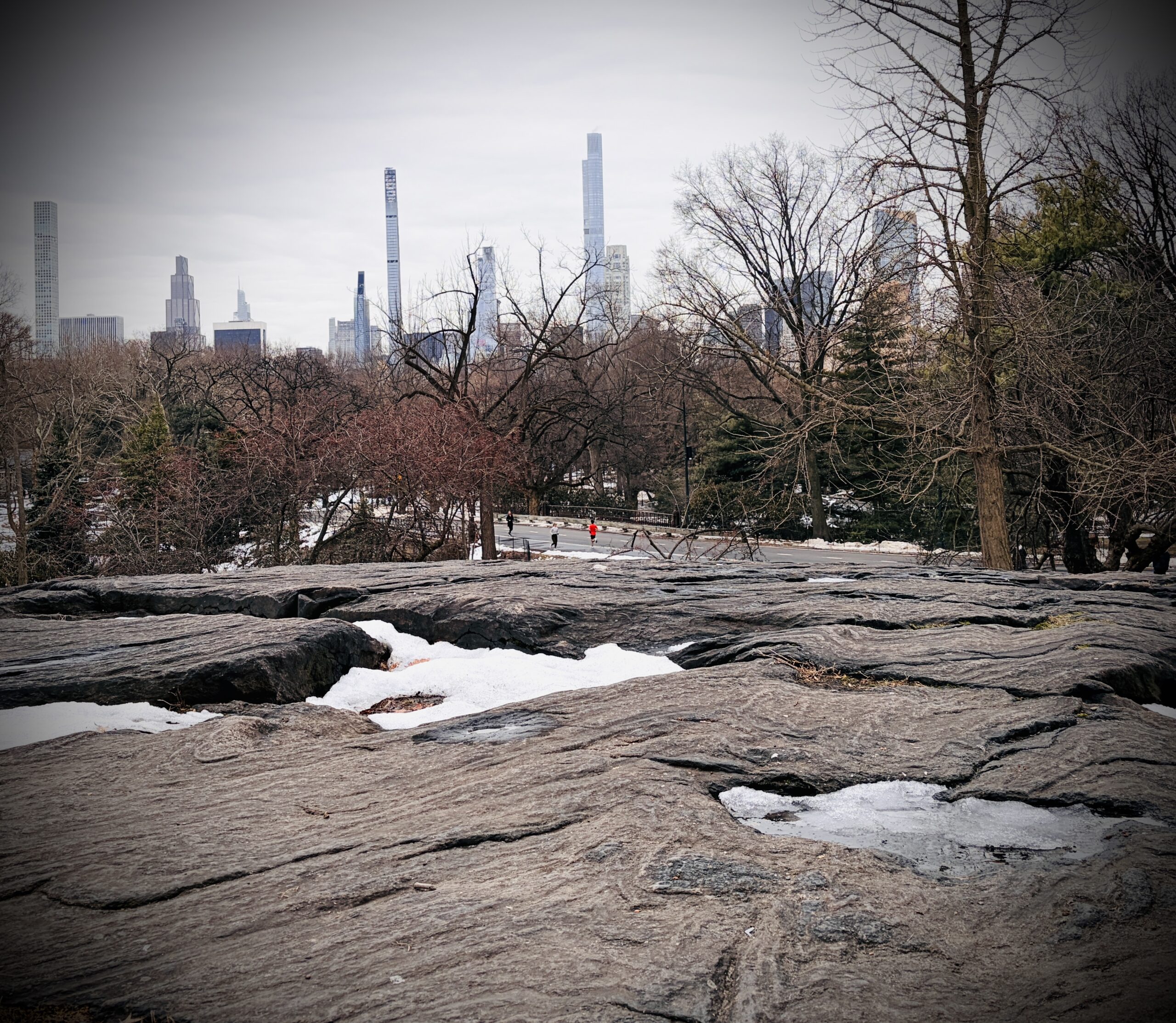
They really do. The boulders’ smooth curves are a record of the glacier slowly buffing away their rough edges as it dragged them south for miles and miles. Just as impressive is the way the ice sculpted the region’s rocky surfaces, carving long scratches into the bedrock. Have you ever noticed the deep grooves and striations running across the park’s outcrops in parallel lines? They’re what make those rocks so easy and fun to climb. But they’re also evidence of the glacier’s path, moving from northeast to southwest, scarring the stone with the debris it carried along.
When you slide down the rocks… wait, you’ve never? Well, when you do, very soon, notice how smooth the surface feels. That’s what thousands of years of glacial exfoliation can do, the ultimate deep peel.
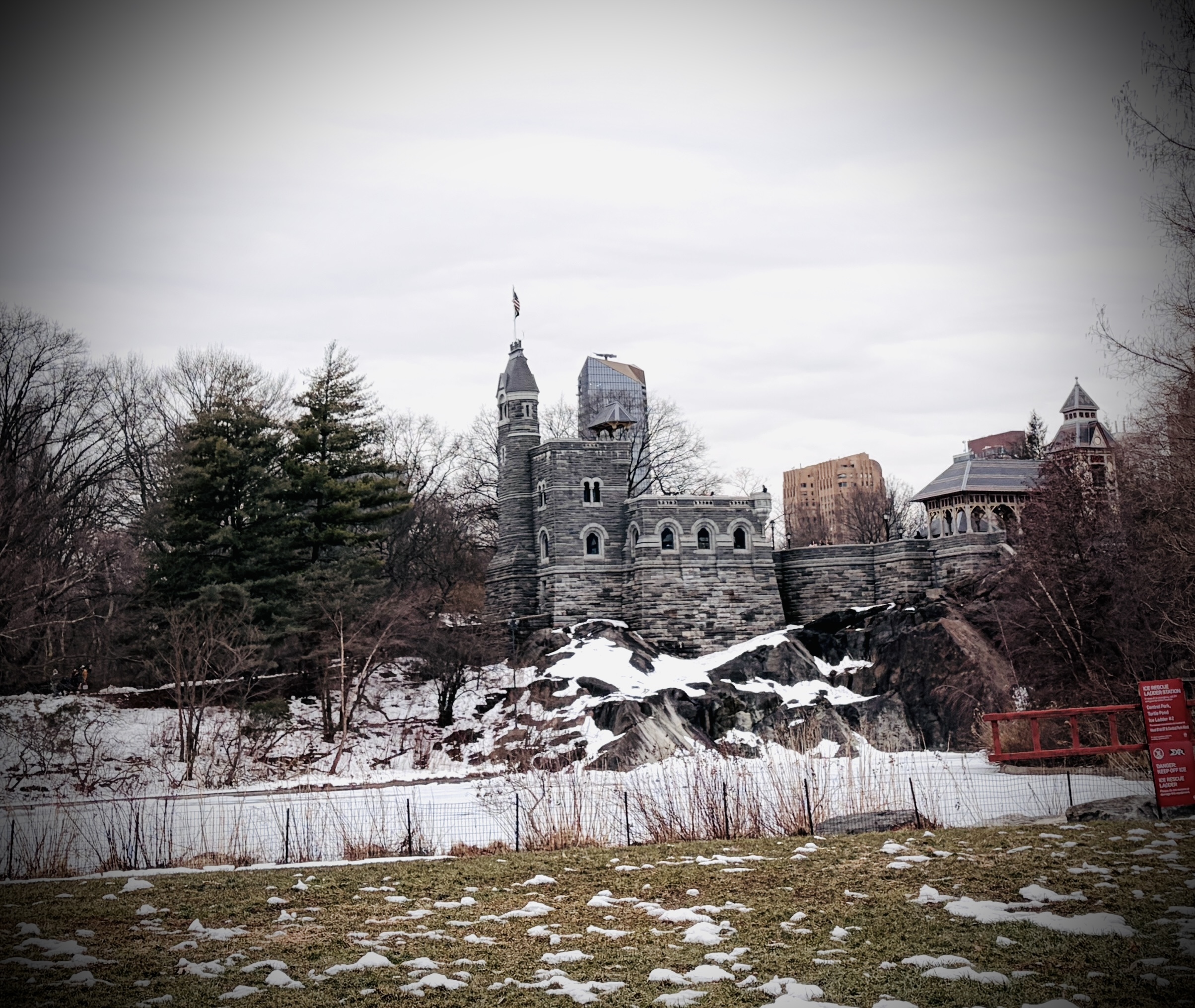
One of Central Park’s most impressive bedrock outcrops is Umpire Rock, by the baseball fields near 63rd Street. It’s covered with plenty of evidence of the glacier’s passage — and plenty of tourists. For a less crowded experience, climb Summit Rock, which stretches from 82nd to 85th Street along Central Park West. It’s the park’s highest natural elevation, and if you look down 83rd Street, you can see all the way to New Jersey, should you feel so inclined. If you prefer scenery of the non-Jersey variety, head east to Vista Rock, the park’s second-highest natural point. There, you can admire another massive outcrop scarred by the ice and enjoy the extra perk of Belvedere Castle perched atop it.
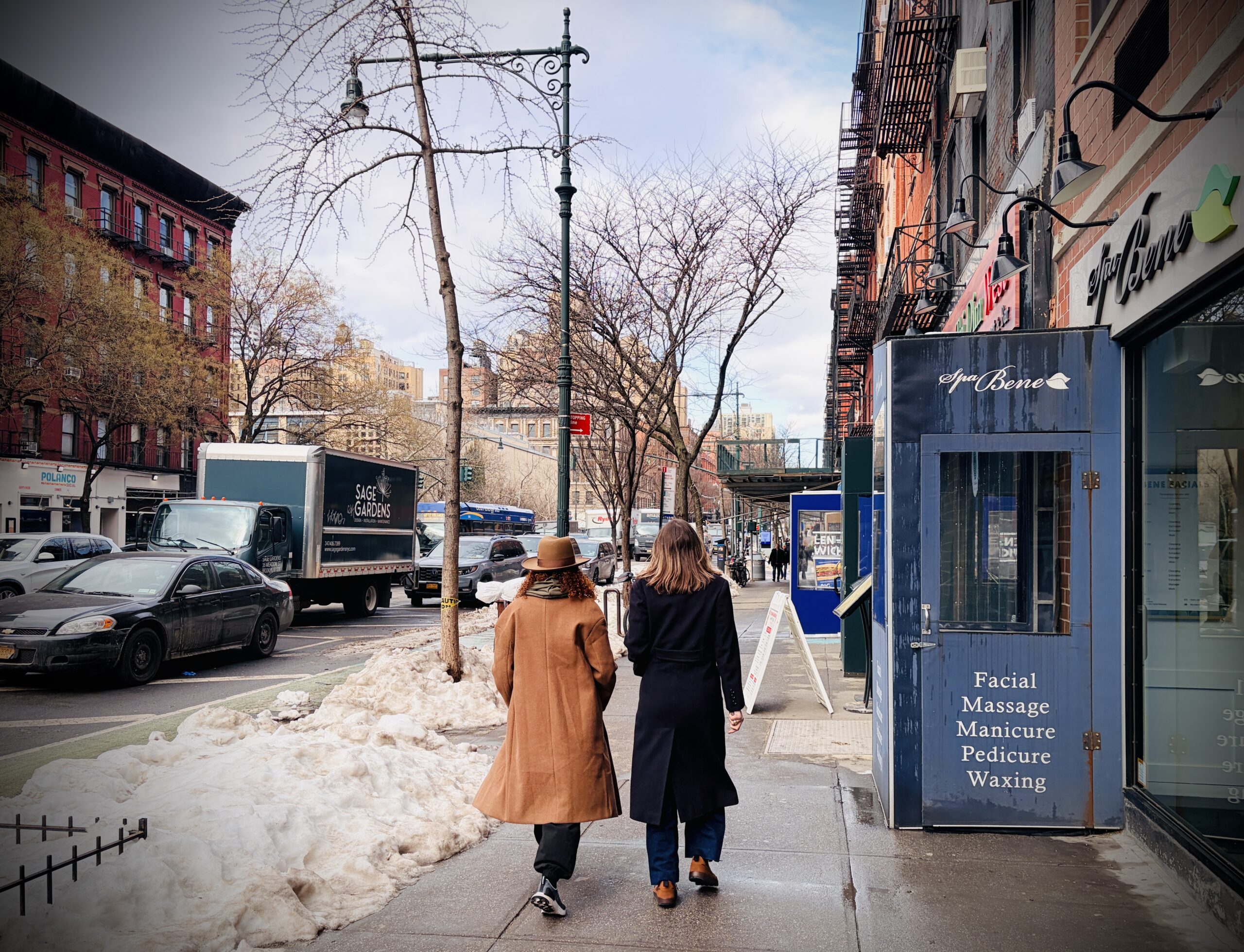
In what shape will we be when our seasonal ice sheet retreats for good? As we clean up what the sidewalk glaciers exposed, I’m thinking about how the cold hides parts of us, too. All winter long, we disappear a little — under coats, under blankets, under perfectly good excuses to just not. Soon, when the last stubborn clumps of ice are gone and we reemerge from under our covers, we’ll see what out-of-sight habits have accumulated and what marks this winter has left on us. Once it’s all out in the open, we get to choose what to swipe away and what to carry forward. The bedrock beneath us wasn’t so lucky.
Subscribe to West Side Rag’s FREE email newsletter here. And you can Support the Rag here.
First Appeared on
Source link