


An Ancient Life Form Frozen for 40,000 Years Woke up in Alaska—Six Months Later, Everything Changed
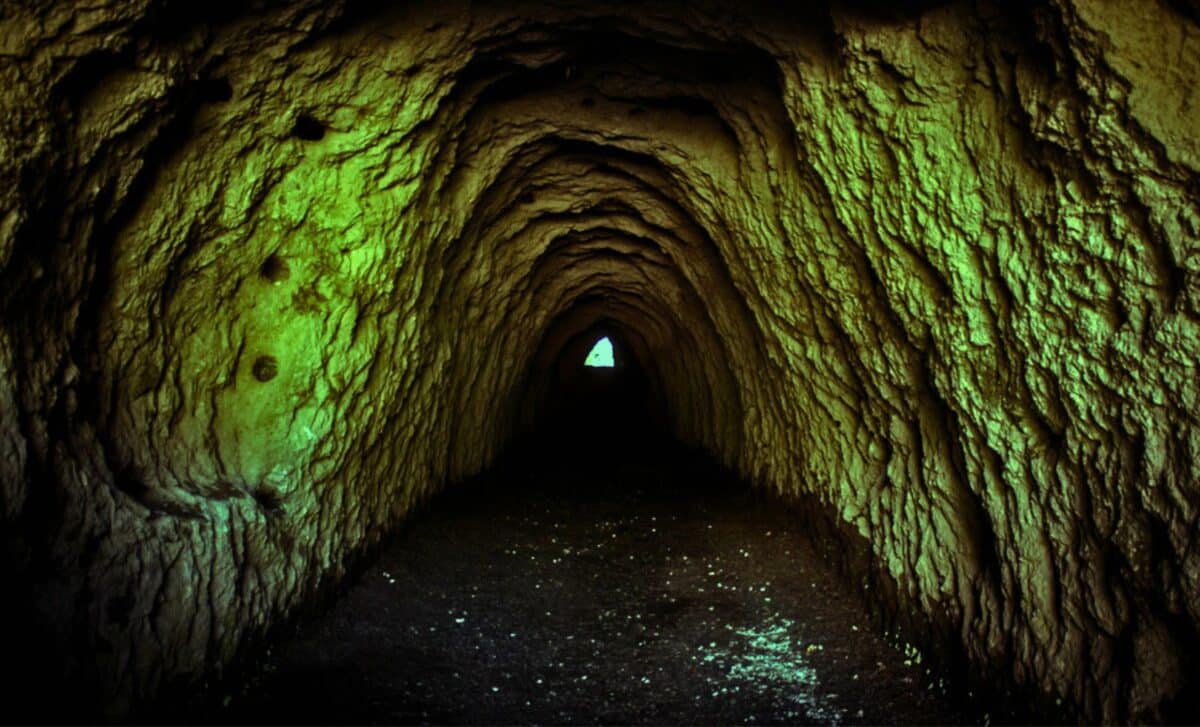
Beneath the frozen soil of interior Alaska, a dormant world is stirring. In a tunnel carved into ancient permafrost outside Fairbanks, scientists have revived microorganisms that have remained frozen for nearly 40,000 years. Initially inert, these microbes are now awake, multiplying, and releasing greenhouse gases that could amplify Earth’s warming.
For six months, these microscopic organisms showed little activity. Then something shifted. Suddenly, microbial colonies bloomed into visible biofilms and began releasing carbon dioxide and methane, both powerful contributors to atmospheric heating. The abrupt acceleration stunned researchers—hinting at biological mechanisms that may already be underway beneath Arctic soils.
The findings, Published in the Journal of Geophysical Research: Biogeosciences, come as vast swaths of permafrost—which covers nearly a quarter of the Northern Hemisphere—are rapidly thawing due to human-driven climate change. As permafrost thaws, the once-frozen organic carbon it locks away becomes vulnerable to microbial decomposition, potentially releasing billions of tons of emissions.
Ancient Cells, Modern Risk
Researchers from the University of Colorado Boulder collected soil cores from the Permafrost Research Tunnel near Fox, Alaska—a facility operated by the U.S. Army Corps of Engineers. Some of the samples came from depths of over 20 meters and date back to the late Pleistocene, between 37,900 and 42,400 years ago.
After thawing the samples under controlled conditions between 4°C and 12°C, mimicking modern Arctic summers, the team observed a gradual but undeniable biological response. To track microbial growth, they used water enriched with deuterium, a heavier isotope of hydrogen, which integrates into microbial cell membranes when metabolism resumes.
Initial activity was glacial. As the researchers reported in Discover Magazine, some days saw only one in every 100,000 cells replaced. But by the sixth month, the microbial communities began restructuring. Colonies previously undetectable surged in dominance. Biofilms—a hallmark of metabolically active bacterial communities—formed on lab equipment and became visible to the naked eye.
These observations confirm that ancient permafrost microbes can reanimate not just in theory but in practice—and under real-world temperature thresholds.
Carbon Locked Away Is No Longer Safe
The environmental stakes are significant. According to the study, once these microbes reawaken, they metabolize organic matter trapped in frozen soil and emit greenhouse gases, particularly CO₂ and methane.
The global permafrost carbon pool is estimated to hold about twice the amount of carbon currently in Earth’s atmosphere, as noted by NASA’s Earth Observatory. The shift from frozen carbon storage to active carbon emission poses a major threat to climate stability.
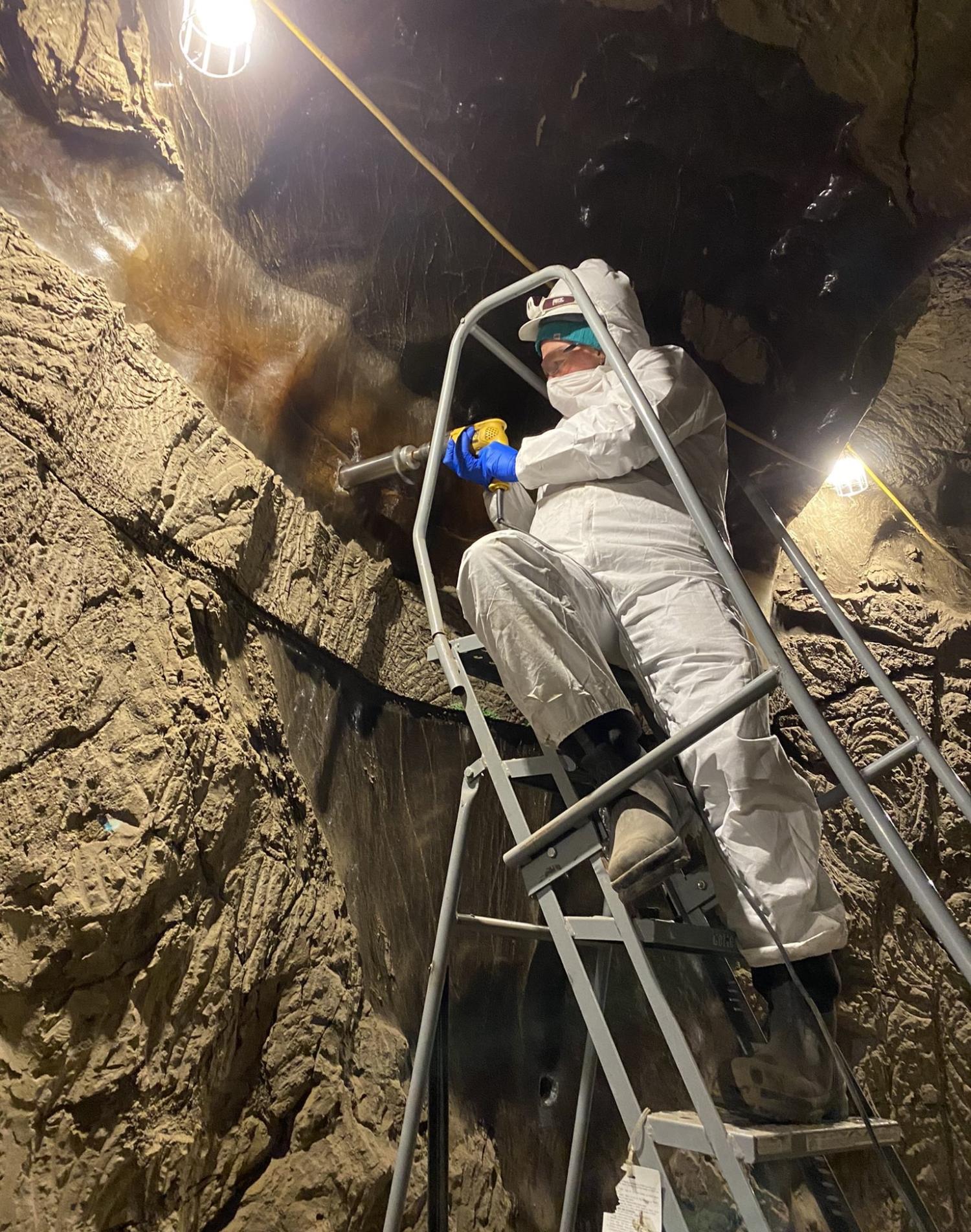
Tristan Caro, the study’s lead author and a former doctoral researcher at CU Boulder, told Discover that microbial activity was not driven by short-term heat spikes, but by the duration of the warm season: “You might have a single hot day in the Alaskan summer, but what matters much more is the lengthening of the summer season to where these warm temperatures extend into the autumn and spring.”
In short, even moderate Arctic warming—if sustained over longer seasonal windows—could open the door for large-scale biological carbon release.
Slow Thaw, Sudden Feedback
Perhaps the most disconcerting insight from the study is the delay between thaw and microbial resurgence. For months, activity barely registered. Then, in a matter of weeks, growth spiked.
This “lag time” implies that warming events might not show immediate carbon impacts, but still trigger cascading emissions over subsequent months. As global climate models are adjusted to account for permafrost melt, this timeline mismatch could result in serious underestimations of the speed and intensity of permafrost-related feedback loops.
In an interview with Discover, Sebastian Kopf, co-author and professor at CU Boulder, noted that the permafrost–climate connection remains “one of the biggest unknowns in climate responses.”
The study also found that different microbial communities respond differently depending on their makeup and nutrient availability, meaning that localized permafrost biology could vary dramatically from region to region. Yet almost all of them share one trait: they are locked in a feedback loop driven by seasonal warming.
While the team sampled a narrow slice of Alaskan permafrost, the implications stretch far wider. Vast stretches of frozen soil across Siberia, Canada, Greenland, and even South America could be hiding similar microbial ecosystems. What lies beneath remains largely unmapped—and unmonitored.
First Appeared on
Source link






