


Ancient Texts Described a Mysterious Celestial Object in the Sky – Astronomers Finally Reveal What It Was!
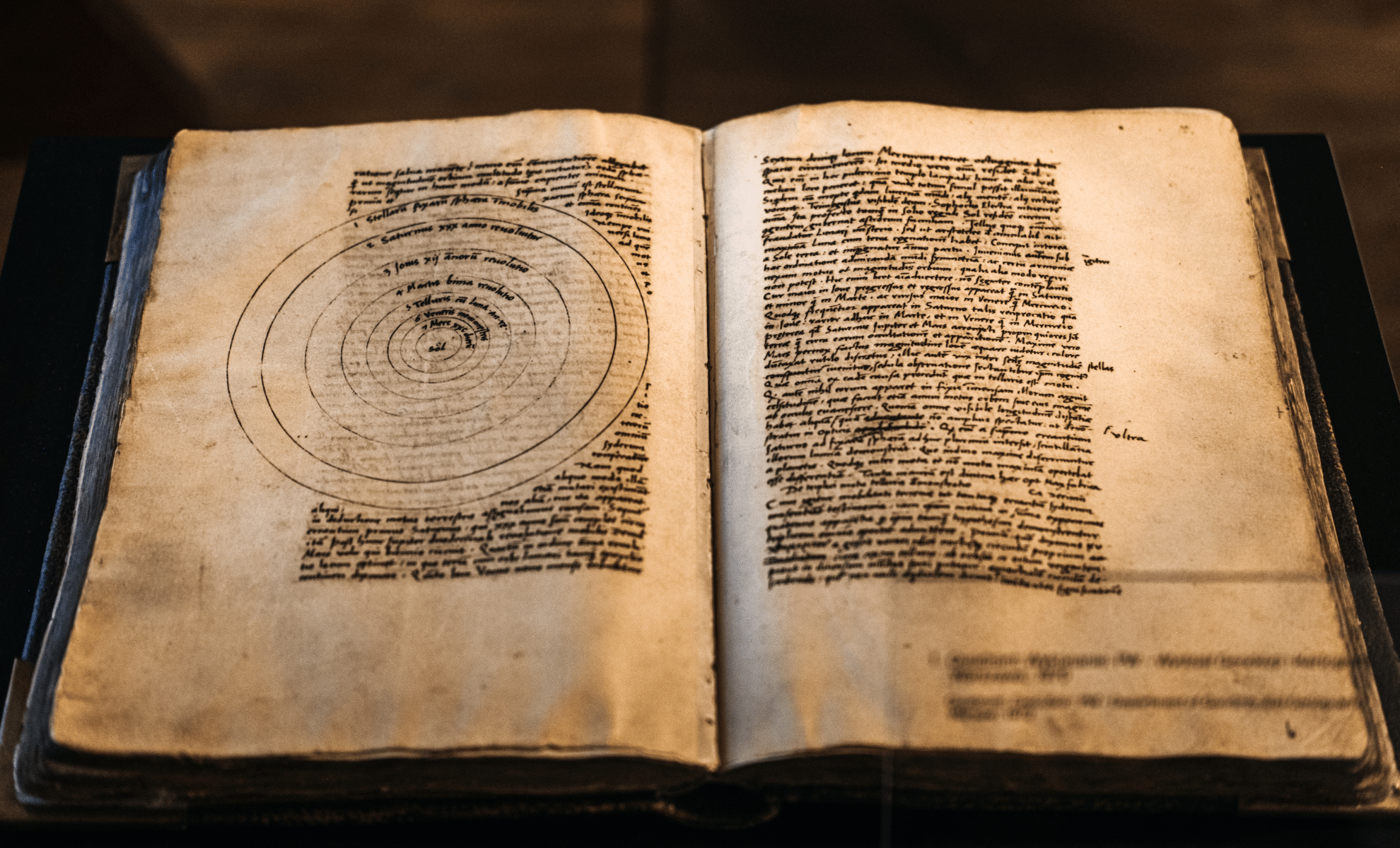
In the year 1181, a mysterious celestial event lit up the skies, capturing the attention of astronomers and poets alike. A supernova, recorded in ancient texts, may have left a lasting imprint on the cultural and scientific landscape. An unexpected discovery has now connected this explosive event to a 12th-century Arabic poem, offering a rare glimpse into how astronomical phenomena were understood long before modern telescopes. This fascinating link sheds new light on the intersection of art, science, and history.
The Supernova in the Sky: A Cosmic Event
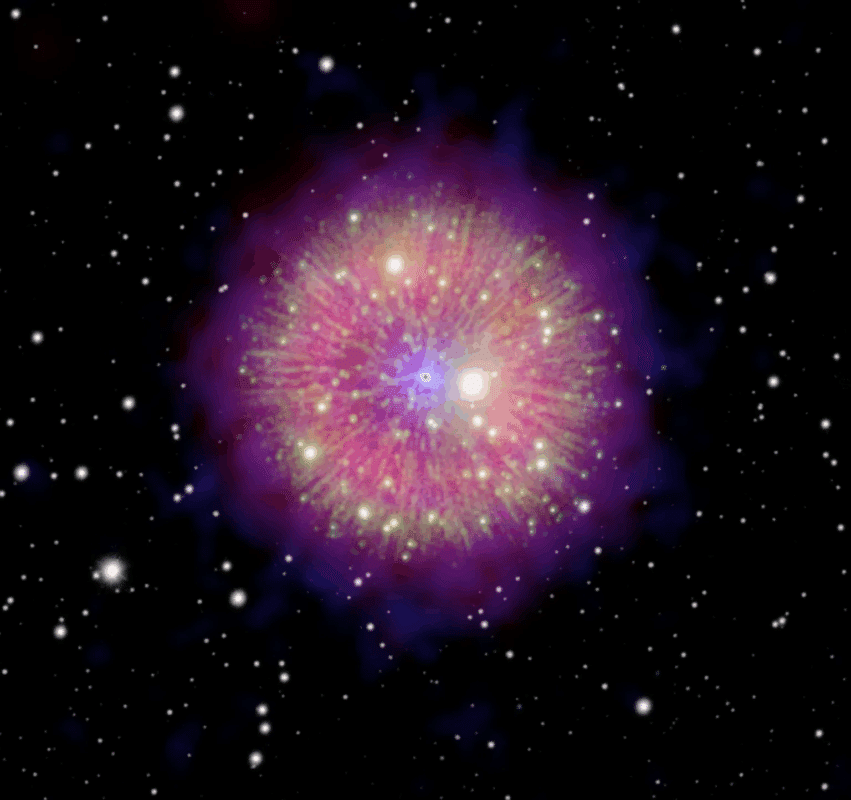
Supernovae have always fascinated astronomers, representing the death throes of massive stars and sometimes giving rise to stunning phenomena visible across vast distances. But one supernova, which occurred in 1181, has remained elusive to modern observers until now. While astronomers have long suspected the event’s existence due to records from Japanese and Chinese sources, a new revelation has surfaced, tying the supernova to a remarkable historical artifact: a poem written by the Arabic scholar Ibn Sanā’ al-Mulk.
The poem, which was composed to praise the ruler Saladin, mentions a new “najm” or star, a term that could very well refer to a supernova. The poet, writing in 12th-century Cairo, may have been referencing the same celestial explosion that has puzzled astronomers for centuries. The fact that this “new star” was visible in or near the constellation of Cassiopeia further strengthens the case for the 1181 supernova. As highlighted by BBC Sky at Night Magazine in their recent article, this discovery has opened up a new chapter in the study of ancient astronomy, merging poetry and science in a unique way.
The Connection Between Poetry and Astronomy
While supernovae are often studied through modern astronomical tools, ancient civilizations also had their own methods of observing the skies. For many, celestial events were not just scientific phenomena but were woven into the cultural and literary fabric of their time. In the case of Ibn Sanā’ al-Mulk’s poem, the mention of a new star was likely a way to glorify the greatness of Saladin, with the poet comparing his leadership to the brilliance of a newly visible celestial body. This suggests that such astronomical events were not just observed but were significant enough to influence artistic and political expressions of the time.
Interestingly, this isn’t the first time celestial events have been recorded in poetry. The ancient Chinese, Japanese, and even European cultures have long used the appearance of comets, eclipses, and stars to mark important political or social events. However, what makes this discovery so intriguing is that it is one of the rare instances where we can link an ancient poem with a specific astronomical event, thanks to the detailed timing and contextual clues found in the poem itself.
Decoding the Timeframe: When Was the Poem Written?
Determining the exact time the poem was written was key to linking it to the 1181 supernova. The poem praises Saladin not only for his own leadership but also for defending Mecca from a Crusader attack in December 1181. This helps narrow down the timeframe during which the poem was likely composed. The research suggests that the poem was written between December 1181 and May 1182, aligning perfectly with the timing of the supernova.
This meticulous historical analysis allows scientists and historians to triangulate events with precision, offering us a more accurate understanding of both historical timelines and astronomical phenomena. The fact that the new star was likely seen as a symbol of Saladin’s greatness also gives us a glimpse into how celestial events were integrated into the political and social narratives of the time.
How the Supernova Shaped Ancient Society
The 1181 supernova was not only a key event in the history of astronomy but also a cultural touchstone for those who witnessed it. As BBC Sky at Night Magazine suggests, the mention of the supernova in the poem implies that such an event was not only significant to the scientific community but also had widespread recognition among the elite and even among the general public. This indicates that celestial phenomena were part of the shared knowledge and cultural discourse in medieval Islamic society.
In a time before telescopes, knowledge of the heavens was primarily passed through observation and word of mouth, often recorded in literature, poetry, and religious texts. This discovery sheds light on how ancient societies perceived the cosmos and how celestial events were interpreted not just as physical phenomena but as metaphors for human achievements and political power.
The Role of Ancient Records in Modern Astronomy
The study of ancient astronomical records has become an essential tool for modern scientists seeking to understand the history of the universe. Records from cultures such as the Chinese, Japanese, and Islamic civilizations have provided invaluable insights into the occurrences of supernovae, comets, and other cosmic events long before the advent of modern telescopes. These ancient observations allow scientists to track the evolution of stars, the behavior of nebulae, and the broader dynamics of our galaxy over millennia.
The case of the 1181 supernova is a perfect example of how ancient texts and poems can contribute to our understanding of the cosmos. By studying these sources, astronomers can trace the history of supernovae and other cosmic events, providing a more complete picture of the universe’s evolution.
First Appeared on
Source link






