


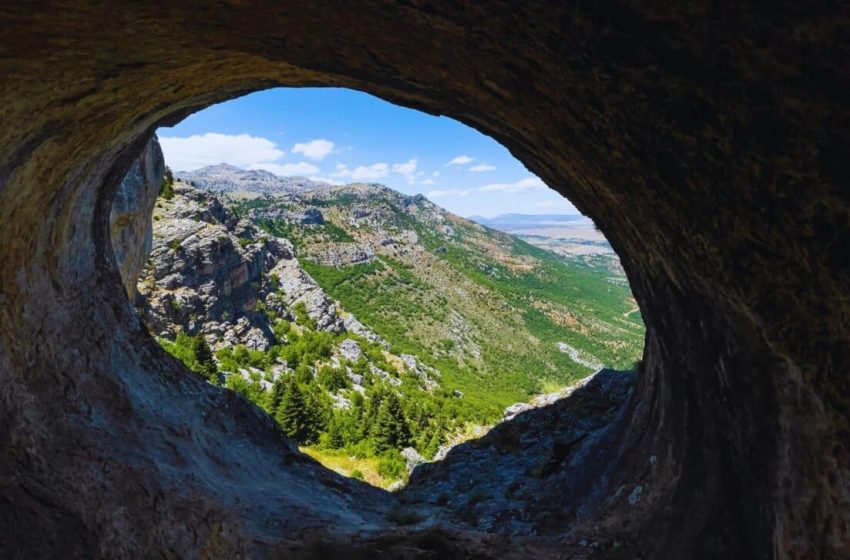
Archaeologists Thought These Remote Caves Were Empty, But They Found That Humans Lived Once Inside
New evidence shows that humans didn’t just survive the Ice Age along warmer coasts, they also made it through harsh conditions in mountain caves in Serbia. That detail shifts how scientists picture life during one of the coldest periods in human history.
The study, published in Quaternary, looks at the window between 25,000 and 19,000 years ago, right in the middle of the Last Glacial Maximum. Back then, much of Europe was buried under ice, and the rest was a cold, dry landscape that made survival extremely difficult.
For decades, researchers believed human groups mostly persisted in milder areas near the Mediterranean, this new research points elsewhere.
Small Groups Moving Between Caves
The team studied three cave sites in the Morava River basin, all tucked into narrow gorges and protected valleys. As explained in the latest research, these caves were naturally shielded from wind and exposure, which likely made them usable, at least for short stays.
There’s not a huge amount of material in these sites, and that matters. It suggests people weren’t living there year-round but passing through. The researchers describe the groups as “sparsely distributed,” which fits with a mobile lifestyle.
According to the same study, there are links with sites near the Adriatic, hinting that people may have moved back and forth between inland and coastal areas.
Tools That Hint At Everyday Survival
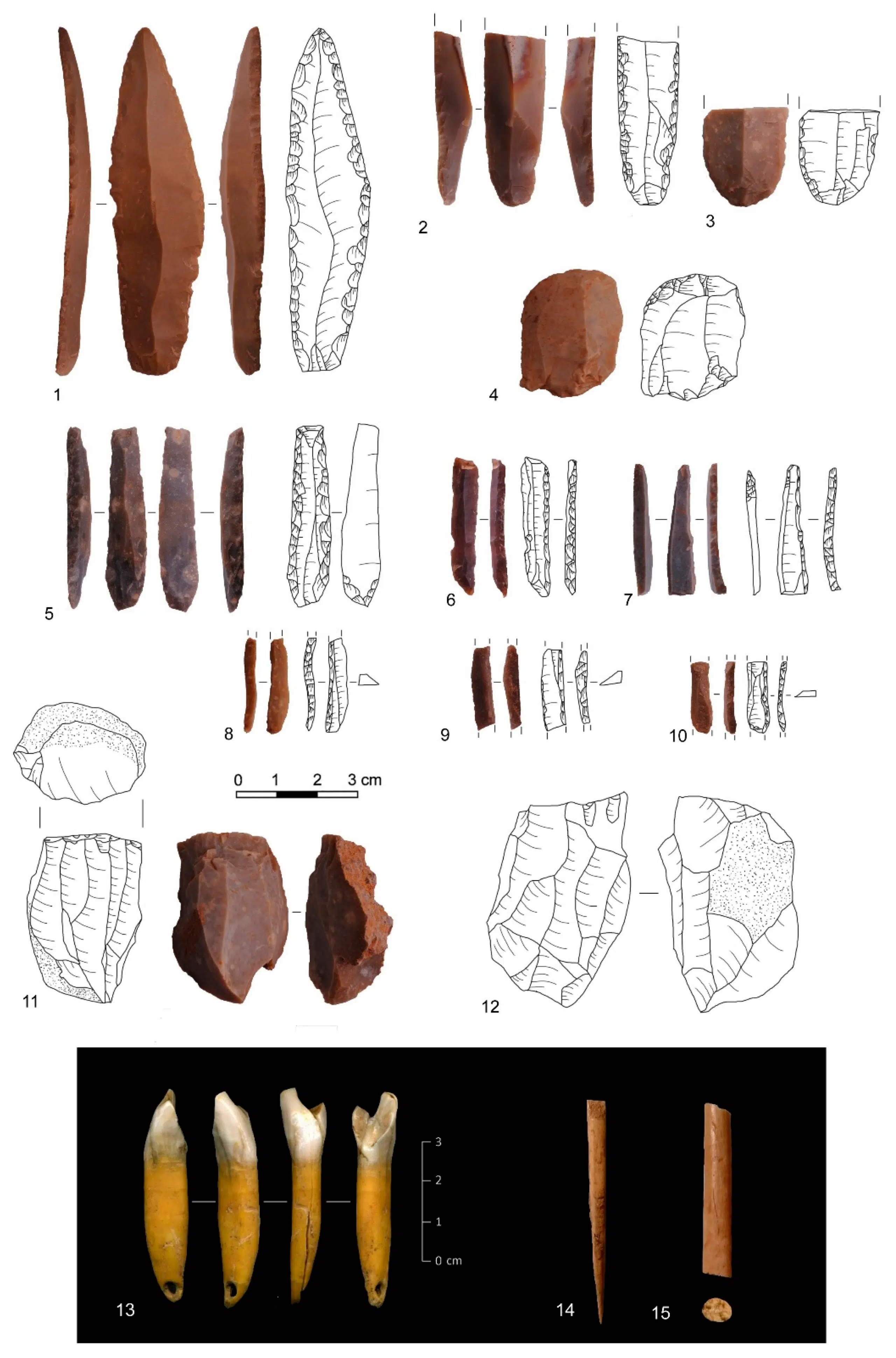
What they left behind is mostly stone: retouched tools, blades, and especially bladelets. These small pieces stand out. As noted by the authors:
“The high proportion of bladelets suggests the presence and maintenance of armatures with microlithic inserts,” they added. “It is common to assume that such composite tools were mainly hunting weapons, but in fact a much broader range of functions are possible.”
In the Velika Pecina cave, researchers also found bone tools, including two fine awls or needles, along with worked pieces of bone, antler, and ivory. It’s not a huge collection, but it’s varied. That mix suggests people were doing more likely repairing tools or making items they needed to cope with the cold.
Not All Caves Were Used The Same Way
Each cave tells a slightly different story. Velika Vranovica, a deep cave along a cliff, contained stone tools and animal bones from bison, ibex, and lynx. Some of those bones show signs of predation, which suggests humans weren’t the only ones using the space.
At Pecina kod Stene, which has tighter passages and several small chambers, the finds were more limited; mostly fragments of retouched bladelets. As explained by the researchers, these differences likely mean each site had a specific role within a larger pattern of movement.
First Appeared on
Source link






