



Arlington syphilis infections are on the rise, nearly 50% over statewide average
A rising number of syphilis infections in Arlington is driving a push to do better at testing and treating the sexually transmitted infection.
In the most recent data, from 2024, Arlington’s rate of syphilis infection — 31.2 cases per 100,000 population — was nearly 50% higher than the Virginia rate of 21.4 cases per 100,000, and was more than double that of Northern Virginia as a whole (14.3 cases per 100,000).
The 2024 county rate was the highest since 2019 and the third highest in the past decade.
Arlington’s higher rate is “influenced by factors such as our younger, highly mobile population in a major metropolitan area, and delays in diagnosis that allow infections to spread,” Public Health Director Dr. Deidra Parrish told ARLnow.
In early January, “we sent a Provider Letter with updated testing and treatment guidance to all licensed clinicians in Arlington, and followed up with clinic visits to provide education,” Parrish said.
The county government is also part of the Northern Virginia STI/HIV Taskforce, which has created tools to help clinicians diagnose, treat and report syphilis.
Her comments came after a Jan. 27 County Board meeting, in which Parrish reported updated statistics on the sexually transmitted infection’s prevalence locally.
She said Arlington is not alone in seeing rising levels of infection.
“Rates of syphilis have been rising nationally for more than a decade due in part to reduced funding and attention after cases dropped in the late 1990s and early 2000s. Arlington is seeing similar trends,” Parrish said.
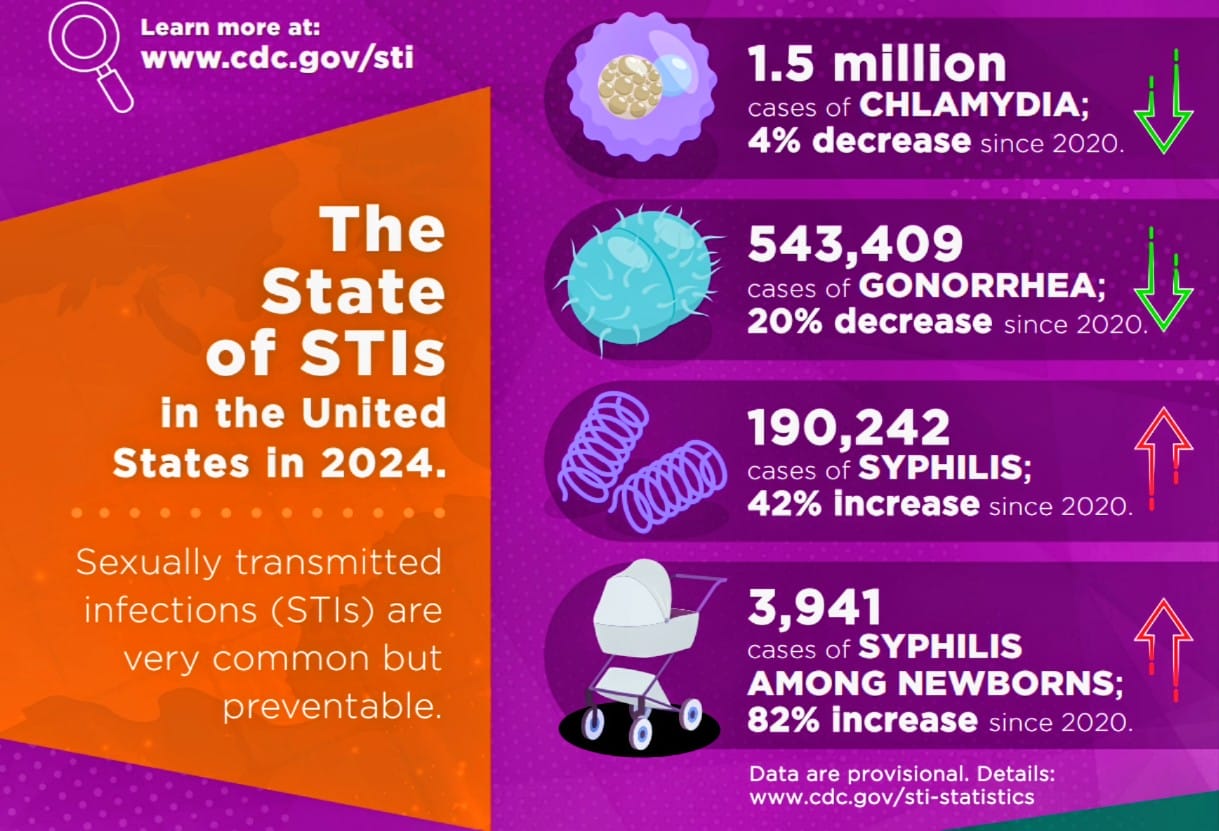
Between 2020 and 2024, syphilis cases rose 42% nationally, according to data from the Centers for Disease Control and Prevention (CDC).
Transmitted via unprotected sexual activity, the long-term complications of untreated syphilis can include heart disease, blindness, deafness, paralysis and brain damage. Some people develop a painless sore or rash, but many have no symptoms at all, which contributes to undiagnosed and untreated infections, Parrish said.
“Anyone who is sexually active should receive routine screening for syphilis and other STIs as part of their primary care,” she said.
Antibiotics will cure the infection, but there’s no way to repair organs damaged by syphilis, according to the Cleveland Clinic, which added:
“It’s important to get tested so you can get treatment in the early stages of the infection. Untreated syphilis can lead to long-term health problems. You should have an open and honest conversation with your healthcare provider — your provider can help you assess your risk, take precautions and make a plan to stay healthy.”
The infection, caused by a bacterium, can also be passed from pregnant women to their babies, leading to severe illness in newborns.
Rates of syphilis in newborns rose more than 80% between 2020-24, according to CDC data.
“We strongly recommend that all pregnant women be tested for syphilis at the first prenatal visit, during the third trimester and at delivery,” Parrish said.
Parrish, a board-certified infectious diseases and preventive medicine physician, was appointed to the post last fall. She succeeded Dr. Reuben Varghese, who had served as public-health director for 20 years, before his retirement in late 2024.
The Arlington County government’s Department of Human Services provides STI testing and treatment, along with vaccines for hepatitis B, human papillomavirus and monkeypox, at its Sexually Transmitted Infection Clinic, located at 2100 Washington Blvd.
Services are offered by appointment Mondays through Thursdays, with charges based on income and insurance. Low-income patients without health insurance can receive free screening and treatment for syphilis, chlamydia, gonorrhea and HIV.
Photo via Christine Sandu/Unsplash
First Appeared on
Source link






