


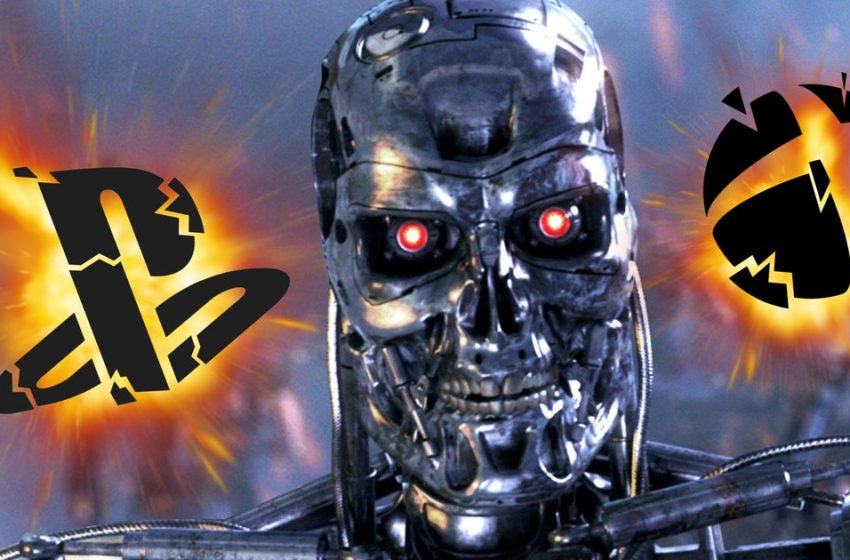
As AI threatens to make everything more expensive, are you happy if it takes longer for the next console generation to begin?
First it came for our intellectual property, then it came for our workers, and now it’s after our Steam Decks!
Generative AI remains, it’s fair to say, a hugely controversial technology; but quite aside from the substantial ethical and environmental concerns, AI – and the huge quantities of RAM needed to power it – is now causing strife for the consumer electronics industry at large. And inevitably, that includes gaming. Unity might be priming its game engine for a whole new era of AI-generated slop, but if things go on, might we eventually run out of things to play that slop on?
Steam Decks are in increasingly short supply, Steam Machines are impacted, Sony is claimed to be mulling a PS6 delay, and gaming hardware price hikes are reportedly on the way. That’s a lot of bad news, of course, but a PS6 delay? Well, that got us wondering – looming AI-driven disaster aside, would a delayed start to the next console generation really be such a bad thing? Yup, it’s Big Question time again, where we gently tackle a topical talking point from the week’s gaming news before flinging it, grenade like, over to you.
There is, of course, an expectation when it comes to console generations. Traditional wisdom is they last, on average, five years or so before the arrival of something flashier, more exciting, and new. Console generations have felt a little more elastic in recent times, admittedly, especially with the advent of mid-gen models like the PS5 Pro. But regardless of tradition, Eurogamer’s Ian Higton notes there are very real, practical reasons why an imminent march into a proper new console generation (as ever, Nintendo continues to do its own thing) would be a terrible idea.
“Listen, I know that everyone gets properly excited when there’s the prospect of a new console generation on the horizon,” he says. “I’ve lived through a couple of these moments myself so I understand the buzz, I really do. But if the next generation of consoles brings a price tag that means I can’t afford to eat for a couple of months if I buy one, well that kind of ruins the thrill. In fact, as the cost of living continues to increase, along with the cost of games and other forms of modern entertainment, I struggle to see how the majority of the upcoming gaming audience could even begin to consider forking out for PS6 or an Xbox Whatever-the-hell-stupid-name-they-call-it on launch day. Unless they decide to sell a kidney or something.”
And quite aside from the cost, there’s a sense among many that the current console generation has been a particularly weird one. It took a long, long time for Microsoft and Sony to shift from cross-generational support to fully focus on the new one, and that’s left a lingering suspicion among players that the PS5 and Xbox Series X still have plenty of untapped potential. Is the best the current generation can do really just shinier graphics and shorter loading times? Are there really no new experiences waiting to emerge from all that purported power? And apart from the games we’ve yet to see, what about the games we already have? Almost 20,000 games were released on Steam last year, and even if only a fraction of those came to consoles, that’s still a bloody big backlog to get through. Perhaps that in itself is justification for longer console cycles, to give everyone – publishers and developers with games to sell, customers who need time to actually play them – some breathing room.
There’s a flip side to all this, of course. And while Eurogamer’s Bertie Purchese also believes there are very good reasons not to rush into a new console generation just yet, he suggests there is still, perhaps, such a thing as too long. “We need ends so we can have beginnings again,” he says. “We want a glimpse of what’s next so we can spend months fantasising about the future, losing ourselves in daydreams of possibilities. It’s a periscope moment for gaming where we are forced to suddenly look up and beyond, and lose ourselves in heady proclamations about what’s to come.”
But more than offering excitement, “new consoles court the attention of the wider world,” Bertie continues. “They propel gaming onto the front pages again and force a reappraisal by mainstream media… How realistic games are now! How sophisticated! And their arrival creates space for newcomers, for newness, as new brands and games and game makers squeeze in and capitalise on people’s newfound sense of curiosity, and make a name for themselves. This cyclical nature of consoles, it’s a bit like the seasons, in that each one is important. But stretch one of those seasons out too long and we might lose the shape of the thing forever.”
All good points, but might there be some interesting side-effects, should the tech giants’ AI arms race continue messing with gaming’s future, as many fear? “I do wonder,” says Ian, “if the cost of all this new technology could instead kickstart a renaissance in retro gaming. And I’m not talking about the current retro scene, which is already enjoyed by collectors and older gamers as a form of nostalgic entertainment. I’m talking about younger video game fans who’ve been priced out of the modern day market getting into retro gaming as an alternative to being ripped off. A bit like how hipsters got into VHS tapes and vinyls a while back, but less posey.”
“Despite the price that some old Nintendo carts go for,” Ian continues, “getting into retro gaming doesn’t have to break the bank and in some cases it could even be free! There must be plenty of teenagers out there whose parents have a PS2, or an OG Xbox plus a bunch of games just sitting there in an old Tesco bag in the loft waiting to be discovered. Or how about Xbox 360s? All those kids have to do is climb up and down a ladder then head to their local CEX with twenty quid in hand. With that (for now at least) they could walk out with some incredible games. Singularity, Spec Ops: The Line, Bioshock, the Halos, the old GTAs, the list goes on.

“So, instead of shelling out mountains of money for a new console that, going by the underwhelming launch of the current console generation, probably won’t give us that big of a leap graphically anyway (and will probably have a library that consists purely of shovelware AI shitslop at this rate),” suggests Ian, “why not go back a couple of console generations instead? If you’re young, then I have some excellent news: there’s so much out there to catch up on! And if you’re old, why not go pick up something that passed you by the first time around? Maybe you were a 360 kid so never got to try the PS3’s library of awesome games like Killzone, Resistance or Gran Turismo? There’s only one upcoming and overpriced generation of new consoles but there are the tens of console generations from the past, so don’t let those potential price hikes get you down – just get into retro games instead. Your wallet will thank you and you’ll have an absolute blast at the same time!”
So there you go! It’s undeniable that new console generations are exciting, and it’s clear, in more practical terms, they breathe new life into the market when interest in the old starts to wane. But at the same time, it’s been a funny old generation, and with hardware prices threatening to skyrocket, maybe it is more sensible to squeeze as much as we can out of what we’ve already got before moving on – and maybe if we wean ourselves away from ever-more-shiny, that’ll have knock-on effects elsewhere too. Or have you had enough? Is it time for a retreat into the world of bargain bin classics, blow-powered cartridge fixes, and perhaps even, for those willing to go still further back, POKE commands? That’s the Big Question… are you happy to wait for the next generation or are you ready to GO-GO-GO? It’s over to you!
First Appeared on
Source link






