


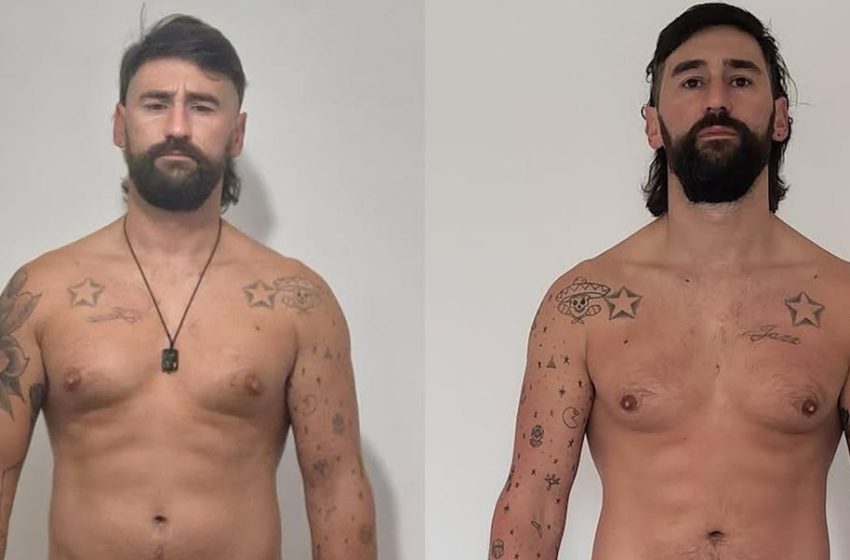
‘At 35, My Testosterone Was Shockingly Low – How I Increased It by 250% in 28 Days Without TRT’
When a man’s muscle building plateaus and his energy levels can be likened to a deflated balloon, it’s easy to assume it might have something to do with low testosterone. Many men make this assumption, and it’s resulting in increasing numbers seeking out testosterone replacement therapy [TRT] as a viable solution.
But TRT is a prescription treatment for men with clinically low testosterone levels. Taking it without medical supervision carries serious risks – including the suppression of natural testosterone production, a reduction in sperm production and testicular shrinkage. The other option is to attempt to boost levels naturally – which is what 35-year-old Will Tracey opted for when his T levels really did take a nosedive.
The Guinea Pig
Will has been active his whole life, but in his mid-thirties, a combination of early rises and 60-hour work weeks drove him to breaking point. ‘When I started looking into the symptoms of low testosterone, I ticked every box,’ he says. A blood test confirmed Will’s fears. His testosterone was measured at 4.72 nmol/L (a healthy measurement for someone his age is between 8.7 and 29 nmol/L). Initially, he considered exploring TRT, but ultimately decided to try and increase his levels naturally first.
The Expert View
According to GP Dave Weinstein, men’s health medical lead at Numan, before considering medical interventions, lifestyle changes should always be the first line of defence.
‘Stress and poor lifestyle choices are the biggest enemies of healthy testosterone levels,’ he says. ‘Many men fall into a continuous cycle, with low testosterone leading to fatigue and low mood, which fuels unhealthy habits that further lower testosterone.
‘[In order to rectify this] first and foremost, aim for good quality sleep. This means seven to nine hours of uninterrupted sleep, as irregular patterns can suppress testosterone levels by up to 20%.
‘Strength training is also a proven testosterone booster. Focusing on compound movements such as squats, deadlifts, presses and rows in short-but-intense sessions delivers the best results. However, it is equally important not to go overboard, as chronic overtraining can spike cortisol, which has the opposite effect.
‘Testosterone production also depends on dietary fat, and extremely low-fat diets are linked to lower testosterone – try including sources such as olive oil, eggs, oily fish, nuts and avocado in your diet. It is also crucial to recognise the importance of micronutrients, including zinc, vitamin D and magnesium.
‘Finally, cutting out things like smoking and limiting alcohol consumption are key to combatting high cortisol levels, which in turn help maintain strong testosterone production and sperm health.’
The Plan
The strategy with Will was to address basic impediments affecting his testosterone production and then look at what gaps may need filling nutritionally.
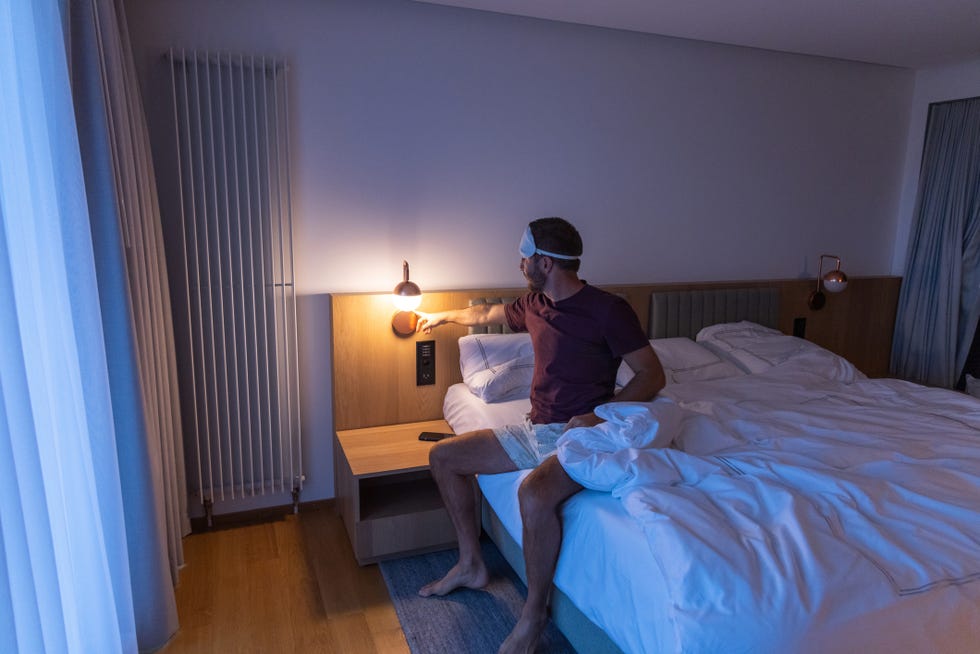
The first big rock: sleep. Having to wake up at 3.30am every weekday morning meant that even if Will could get eight hours, his sleep was never optimal. To combat this, he was put on a non-negotiable ‘be in bed as early as possible’ and provided with a wind-down routine. Will’s sleep environment was also examined. He was advised to keep the room cool and quiet and to wear an eye mask, eliminating light stimulation. Before bed, he drank a nighttime cocoa drink fortified with magnesium, zinc, l-theanine and l-tryptophan – science-backed ingredients to optimise sleep quality.
In terms of nutrition, Will’s dietary fat intake was nudged up – with calories kept in check by reducing some carbs and adding portions of eggs, red meat and nuts. Alcohol was cut out altogether.
In terms of training, Will was already on track, smashing compound lifts, full-body sessions and moderate endurance work. But as sleep, nutrition and energy levels improved, so did motivation and training quality, creating an upwards spiral and further optimising test production.
When Should You Explore TRT?
‘TRT can be life-changing for men with clinically low testosterone and persistent symptoms,’ says Dr Weinstein, ‘but it’s not a quick fix or a shortcut. Seeking treatment becomes important if the impact of low testosterone continues to impact quality of life – despite serious lifestyle improvements. Equally, don’t jump to conclusions, as low testosterone can be secondary to other treatable issues such as sleep apnoea, obesity, thyroid disorders or chronic stress.
‘As such, consult a medical professional if you’re experiencing symptoms. Healthcare providers should always look to confirm your diagnosis with blood tests – usually two venous blood tests done at least two weeks apart – to ensure accuracy before beginning any treatments.’
The Result
After 28 days of prioritising sleep, monitoring what he eats and maintaining his work in the gym, Will’s testosterone increased by almost 250%, rising to 12.5 nmol/L. This puts him into normal range for someone of his age.
In practice, Will’s increased T levels have seen his performance in the gym improve massively. Over 28 days he added 10kg to his bench press and 20kg to his back squat. More importantly, though, his new-found energy levels have had a positive impact on his whole life.
‘On weekends for the last few months, I’d lose most of Saturday sleeping, and when I did get up, I just had no motivation to do anything,’ he says. ‘But in the last two weeks, I actually want to get up, go out and do stuff again.’

First Appeared on
Source link






