


At a 15-Year Low and Yielding 6.7%, General Mills Is a Bargain for Income Investors
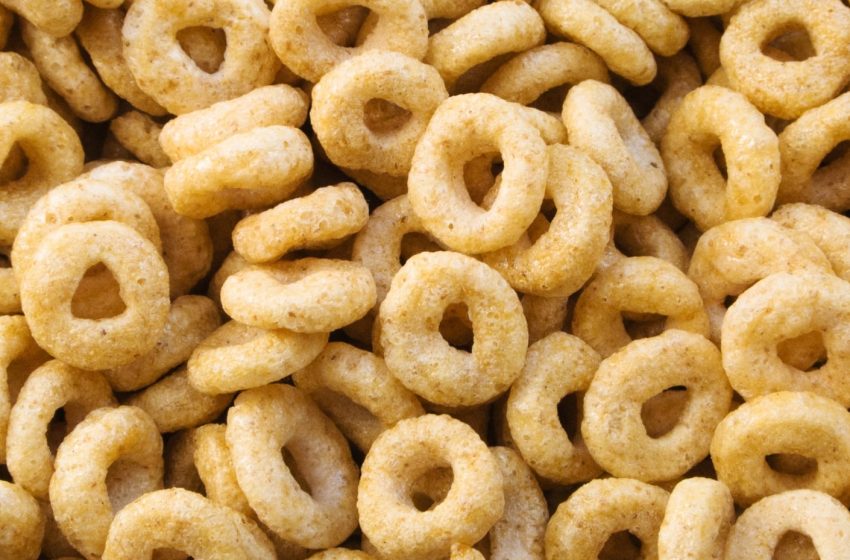
General Mills (NYSE:GIS) is one of America’s most enduring food giants, with roots stretching back to the 19th century and a portfolio of iconic brands including Cheerios, Betty Crocker, Pillsbury, Yoplait, and Blue Buffalo pet foods. The company has paid dividends without interruption for 127 consecutive years — a rare feat that underscores its stability through wars, recessions, and shifting consumer tastes.
Yet despite that rock-solid legacy, General Mills shares have lost more than half their value over the past three years. Now trading at a 15-year low, the stock offers a mouthwatering 6.7% yield. For income-focused investors, the question is whether this sell-off has created a rare bargain — or if deeper troubles lie ahead.
Why the Consumer Staples Giant Has Been Crushed
The pain has accelerated this year. So far in 2026, the stock is down roughly 21% as investors digest repeated warnings of soft demand. In February, management slashed its full-year organic sales outlook to a decline of 1.5% to 2%, citing “weak consumer sentiment, heightened uncertainty, and significant volatility.” Shoppers are trading down to private-label alternatives and resisting higher prices after years of inflation.
That pressure hit hardest in the company’s North America Retail segment, where volume declines and aggressive price investments to protect shelf space have weighed on results. Recent quarterly reports showed organic net sales down 3% in the fiscal third quarter, with adjusted operating profit sliding 32% in constant currency. Divestitures, including the North American yogurt business, added another headwind, removing revenue without an immediate replacement.
Where the Business Is Still Holding Up
The biggest drag comes from the company’s traditional packaged-food lineup in North America. Cereal, snacks, and convenience items have faced stiff competition and cautious consumers, who are eating out less or stretching their dollars. Higher promotional spending and input-cost pressures have squeezed margins further. Even after cost-saving initiatives, the near-term outlook calls for adjusted earnings to fall 16% to 20% for fiscal 2026.
Yet not every corner of the portfolio is struggling. The International segment continues to shine, posting 3% organic sales growth through nine months and more than doubling operating profit on favorable pricing and mix. In North America Pet, Blue Buffalo and recent acquisitions like Whitebridge have delivered pockets of strength — cat food and treats are up double digits in places, and the company is aggressively rolling out fresh pet-food lines such as Love Made Fresh.
While organic pet sales have been mixed, all-channel retail trends are improving, and management sees a long runway in premiumization and “humanization” of pet diets. Foodservice has also held up relatively well in share gains. These areas won’t fully offset the retail slowdown immediately, but they point to a diversified portfolio that isn’t uniformly broken.
A Dividend Record That Still Looks Rock-Solid
Through it all, General Mills’ dividend remains a cornerstone. The company has increased payouts for six consecutive years (with recent quarterly raises to $0.61 per share), and its current annual dividend of $2.44 delivers that eye-popping 6.7% yield at today’s depressed price. The payout ratio sits comfortably around 53% of earnings and 54% of free cash flow — well below levels that would signal stress.
Free-cash-flow conversion remains strong at a targeted 95% of adjusted after-tax earnings, giving the board ample room to sustain and grow the dividend even as EPS temporarily dips. For retirees and income investors, that reliability is the ultimate backstop.
Key Takeaway
Despite the headwinds, General Mills looks like a buy at these levels. The stock is trading at a steep discount to its historical valuation, backed by a fortress-like dividend streak and a portfolio that still boasts growth engines in pet food and international markets. Consumer staples rarely stay this cheap for long, especially one yielding north of 6% with a secure payout.
Near-term challenges from soft demand and retail pressure are real, but history shows General Mills has navigated tougher cycles before. Patient investors who buy today could lock in both high current income and meaningful capital appreciation once volumes stabilize and sentiment turns. In a market hungry for reliable yield, this 15-year low may prove to be one of 2026’s smartest entries.
First Appeared on
Source link






