


Axial Seamount Set to Erupt in 2026 – Scientists Make Alarming New Discovery
The Axial Seamount, an active underwater volcano off the coast of Oregon, has long been a subject of study due to its unpredictable eruptions. Initially expected to erupt in 2025, new findings suggest a shift in the timeline, with scientists now predicting an eruption between mid-to-late 2026. Researchers from Oregon State University (OSU) are conducting extensive monitoring and developing advanced models to better understand the behavior of this underwater volcano. As they continue their investigation, they hope to refine their ability to predict volcanic activity, offering invaluable insights into seismic phenomena.
Monitoring Axial Seamount’s Volcanic Activity
Located 300 miles off Oregon’s coast, the Axial Seamount sits nearly a mile beneath the ocean’s surface, making it challenging for researchers to monitor. Over the past 800 years, the volcano has erupted around 50 times, with three eruptions occurring in just the last three decades. While scientists had originally expected an eruption in 2025, changes in seismic activity have led them to revise their predictions.
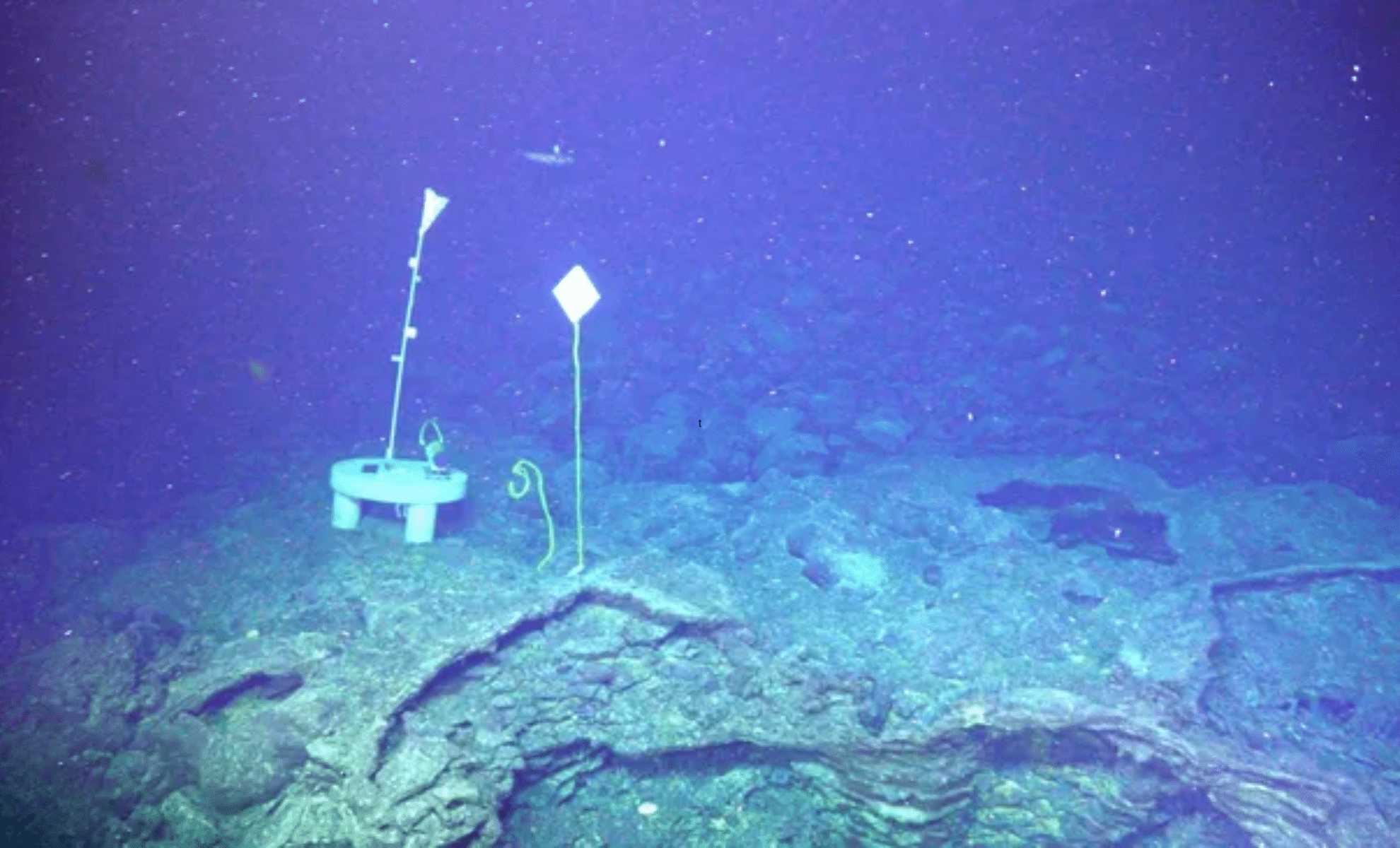
Researchers at Oregon State University’s Hatfield Marine Science Center have been continuously monitoring Axial Seamount’s activity using a sophisticated system known as the Regional Cabled Array. This ocean observatory consists of more than 660 miles of undersea cables that connect over 140 instruments, providing real-time data on the volcano’s behavior. According to Bill Chadwick, a volcanologist at OSU, their observations have identified a specific inflation threshold similar to the one reached before the 2015 eruption.
However, even though the volcano’s inflation rate has remained steady, the rate of seismicity—the shaking of the earth—has been relatively low. “At the current rate of inflation, we won’t get to that higher inflation threshold until mid-to-late 2026,” they wrote in a recent blog post. This suggests that while the volcano is still very much active, an eruption is not immediately imminent.
A Revolutionary Physics-Based Model for Volcanic Prediction
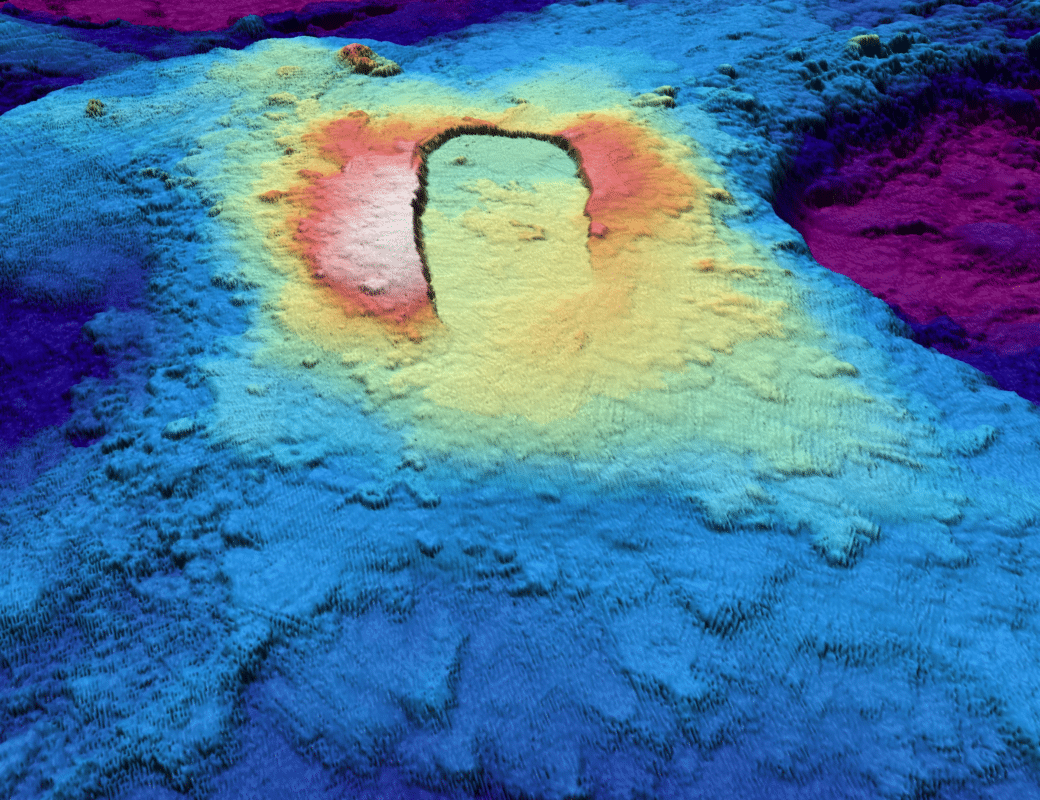
To further refine their eruption predictions, OSU researchers are implementing a new physics-based model. This innovative experiment is designed to help scientists more accurately forecast the timing of future eruptions, something that has long been a challenge for volcanologists. The use of data from the Regional Cabled Array, combined with advanced mathematical models, will provide a deeper understanding of the volcanic processes at work beneath the ocean.
By incorporating real-time data from the monitoring system, the team aims to account for variables such as magma movement, gas release, and seismic shifts. This type of integrated model could potentially be used not only for Axial Seamount but for other underwater volcanoes around the world. The hope is that by understanding how these volcanoes behave before an eruption, scientists can offer more accurate predictions, ultimately saving lives and improving safety measures in surrounding regions.
What Would an Eruption at Axial Seamount Mean?
Though scientists predict an eruption could occur in the coming years, there is no cause for concern among nearby populations. Axial Seamount’s depth and its location far off the coast mean that any eruption will not directly affect human life. Instead of massive explosions, the eruptions will likely result in smaller seismic events, such as minor earthquakes, that are unlikely to be felt on land.
Lava flows from the volcano will also not have any immediate impact on the ocean’s surface. While the eruptions will certainly reshape the seafloor, they will not affect the waters above it in a way that could disrupt maritime activities or coastal regions. In fact, these eruptions are a natural part of the Earth’s geological processes and will contribute to the ongoing transformation of the ocean floor.
Ongoing Research for Predicting Volcanic Events More Accurately
Understanding the behavior of underwater volcanoes is crucial for several reasons, including improving our ability to predict eruptions and mitigate any possible risks. The study of Axial Seamount serves as an invaluable case for future research on similar seafloor volcanoes. As part of their continuing work, researchers at OSU are using the data gathered from Axial Seamount to develop broader models that can be applied to other underwater volcanic systems globally.
This ongoing research is not only about anticipating eruptions but also about learning how volcanic activity affects the Earth’s crust, oceanic ecosystems, and seismic patterns. The hope is that the knowledge gained from studying Axial Seamount will lead to better early-warning systems and more effective disaster preparedness strategies for regions vulnerable to similar volcanic activity.
First Appeared on
Source link






