


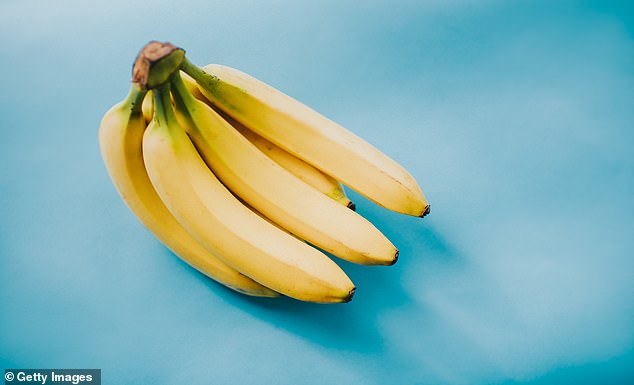
Bananas unpeeled: The health benefits, hidden downsides and exactly how many you should be eating
It is one of Britain’s most familiar foods, eaten daily by millions of people and often held up as the ultimate ‘good-for-you’ snack.
Cheap, portable and naturally sweet, the humble banana is the best-selling fruit in the UK and US, and has long been associated with fitness, heart health, better digestion and quick energy.
But in recent years they have also come under scrutiny – criticised for being too sugary, too starchy, or even bad for blood sugar.
So are bananas genuinely healthy – or are they a fruit we have misunderstood?
Originally cultivated in Southeast Asia more than 7,000 years ago, bananas spread across the world through trade routes and were once considered an exotic luxury.
They only became widely available in the UK in the late 19th century, when steamships and refrigeration made imports affordable.
Today, the familiar yellow Cavendish banana dominates supermarket shelves, and the average Briton eats around 20 bananas a year.
Yet despite their everyday status, their nutritional impact depends heavily on how – and when – they are eaten. To separate fact from fiction, we asked Dr Duane Mellor, Registered Dietitian and Senior Lecturer at Aston Medical School, to answer the key questions.
Cheap, portable and naturally sweet, the humble banana is the best-selling fruit in the UK and US, and has long been associated with fitness, heart health, better digestion and quick energy
Are bananas actually healthy – or just sugar in disguise?
Bananas are often criticised for their sugar content, particularly compared with fruits such as berries or apples.
A medium banana contains around 14 grams of natural sugar and roughly 100-110 calories.
But Dr Mellor says this focus on sugar alone is misleading.
‘Bananas can be a good option, they are a compact source of energy which can be very convenient to take to the gym or with lunch,’ he says.
Unlike sweets or sugary drinks, the sugar in bananas comes wrapped in fibre, water and micronutrients, which slows digestion and blunts sharp spikes in blood sugar.
‘As bananas ripen they can develop more sugar, but it is important to remember that this is not free sugar so can be a useful addition especially before exercise,’ Dr Mellor adds.
Large population studies consistently show that eating whole fruit – including bananas – is associated with better cardiovascular health and lower overall mortality, rather than weight gain or metabolic harm.

In 2024 Italian artist Maurizio Cattelan displayed a fresh banana stuck to a wall with duct tape at Art Basel. It was purchased for $6.2 million by Chinese-born crypto founder Justin Sun, who then ate it
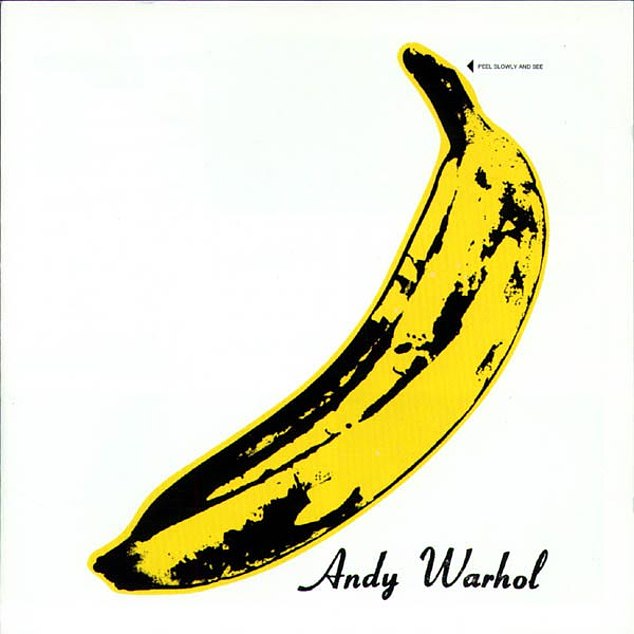
The iconic print of a banana by pop art legend Andy Warhol featured on the cover of The Velvet Underground and Nico’s eponymous album, which was released in 1967
Potassium and heart health – are bananas that special?
Bananas are famously rich in potassium, containing around 350–400mg per medium fruit. Potassium plays a crucial role in nerve signalling, muscle contraction and maintaining a regular heartbeat.
It also helps regulate blood pressure by counteracting the effects of sodium, encouraging the body to excrete excess salt – a mechanism linked to lower risk of heart attack and stroke.
However, Dr Mellor cautions against overstating bananas’ importance.
‘Although bananas are a reasonable source of potassium, they are no where near as good a source as a large jacket potato or a handful of raisins or apricots,’ he says.
That said, potassium itself is vital.
‘Potassium is essential for health as it is linked to lower blood pressure and better heart health, with many studies showing its benefits alongside reducing intakes of sodium (salt).’
In other words, bananas contribute to heart health – but they are not the only, or best, source.
Do bananas help gut health?
Bananas contain around 3g of fibre per medium fruit, which supports digestion and bowel regularity. But their most interesting effect on the gut comes from something less well known: resistant starch.
Green or under-ripe bananas contain high levels of resistant starch – a type of carbohydrate that the body cannot digest. Instead, it passes into the colon, where gut bacteria ferment it.
‘Green bananas are thought to contain more resistant starch which is good for gut health,’ Dr Mellor explains.
‘This is because we cannot digest this type of starch which behaves like fibre and our gut microbes then ferment it.’
That fermentation process produces compounds linked to improved gut health and metabolic regulation.
‘This is thought both to lower risk of bowel cancer and even help regulate blood sugars and metabolism.’
As bananas ripen, resistant starch is gradually converted into simple sugars, making ripe bananas sweeter and easier to digest – but reducing their gut-feeding properties.
WHAT SHOULD A BALANCED DIET LOOK LIKE?

Meals should be based on potatoes, bread, rice, pasta or other starchy carbohydrates, ideally wholegrain, according to the NHS
*Eat at least 5 portions of a variety of fruit and vegetables every day. All fresh, frozen, dried and canned fruit and vegetables count
*Base meals on potatoes, bread, rice, pasta or other starchy carbohydrates, ideally wholegrain
*30 grams of fibre a day: This is the same as eating all of the following: 5 portions of fruit and vegetables, 2 whole-wheat cereal biscuits, 2 thick slices of wholemeal bread and large baked potato with the skin on
*Have some dairy or dairy alternatives (such as soya drinks) choosing lower fat and lower sugar options
*Eat some beans, pulses, fish, eggs, meat and other proteins (including 2 portions of fish every week, one of which should be oily)
*Choose unsaturated oils and spreads and consuming in small amounts
*Drink 6-8 cups/glasses of water a day
*Adults should have less than 6g of salt and 20g of saturated fat for women or 30g for men a day
Source: NHS Eatwell Guide
Advertisement
Does ripeness change how healthy a banana is?
Yes – significantly.
As a banana ripens, its internal chemistry changes. In a green or just-ripened banana, much of the carbohydrate is stored as starch. As the fruit softens and turns yellow – then develops brown spots – natural enzymes break that starch down into simple sugars.
This matters because starch is digested slowly, while sugar is absorbed much more quickly.
Green bananas therefore release their energy gradually, leading to a slower, steadier rise in blood sugar and keeping you fuller for longer. Riper bananas, by contrast, deliver their energy faster, producing a quicker rise in blood sugar but also providing an immediate boost.
This is why ripeness affects who bananas suit best.
For people trying to manage blood sugar levels, or avoid energy crashes, slightly green or just-yellow bananas are often the better choice. They are digested more slowly and are less likely to cause sharp fluctuations in energy.
For athletes, people exercising, or anyone needing fast fuel – for example before a workout or during endurance activity – riper bananas can be useful precisely because their sugars are more readily available.
There is no single ‘healthiest’ banana. The best choice depends on what your body needs at the time – whether that is steady, sustained energy or a quick hit.
How many bananas should you eat a day?
The NHS advises that people try to eat five portions of fruit and vegetables per day – and one medium banana (80g) can be ticked off as one portion.
But before you tuck into a bunch, the health body suggests eating no more than one or two a day as part of a balanced, varied diet.
Who should be careful with bananas?
For most people, bananas are perfectly safe. But there are exceptions.
People with advanced kidney disease may need to limit high-potassium foods, as damaged kidneys struggle to remove potassium from the blood.
‘It used to be thought that people with kidney disease should completely avoid bananas,’ Dr Mellor says, ‘although current practice is that they should be enjoyed in moderation depending on the level of kidney failure – maybe one or two per week.’
Bananas may also need monitoring in people taking medications that raise potassium levels, such as ACE inhibitors or potassium-sparing diuretics.
Some people with irritable bowel syndrome (IBS) may find ripe bananas trigger bloating, due to fermentable carbohydrates.
Can you eat too many bananas?
The short answer is… yes. Pop star Peter Andre once collapsed in ‘excruciating pain’ while filming a music video and had to be rushed to hospital, which he blamed on eating too many bananas.
The episode in 2010 saw him forced to cancel a performance that night.
Speaking in 2021, Andre, now 50, said: ‘I collapsed on a video shoot because I had too many bananas. I know that sounds ridiculous, but basically I had too much potassium.’
It is not known how many bananas Andre had consumed. However, the NHS says adults should consume about 3,500mg of potassium per day.

Pop star Peter Andre once collapsed in ‘excruciating pain’ while filming a music video and had to be rushed to hospital, which he blamed on eating too many bananas
Studies show that too much potassium in the blood can result in a condition called hyperkalemia, which can trigger heart palpitations, shortness of breath, chest pain, nausea and vomiting.
It most commonly occurs when there are problems with the kidneys.
In 2011, a study carried out by the National Institute of Mental Health in the US said that eating upwards of 20 bananas a day can cause it.
What is the healthiest way to eat bananas?
One common mistake is treating bananas as nutritionally interchangeable with all other fruits.
‘As bananas a little higher in energy than other fruits, it might not be wise to think you should have your five a day as just bananas,’ Dr Mellor says. ‘The five-a-day message is both vegetables and fruit.’
‘So, eating a variety is ideal, maybe for most three to four bananas a week alongside a variety of other fruits and veg.’
Pairing bananas with protein or healthy fats – such as yoghurt, nuts or seeds – slows digestion and improves blood sugar control, making them more filling and metabolically balanced.
First Appeared on
Source link






