


Birth order may affect sexuality and identity : Short Wave : NPR
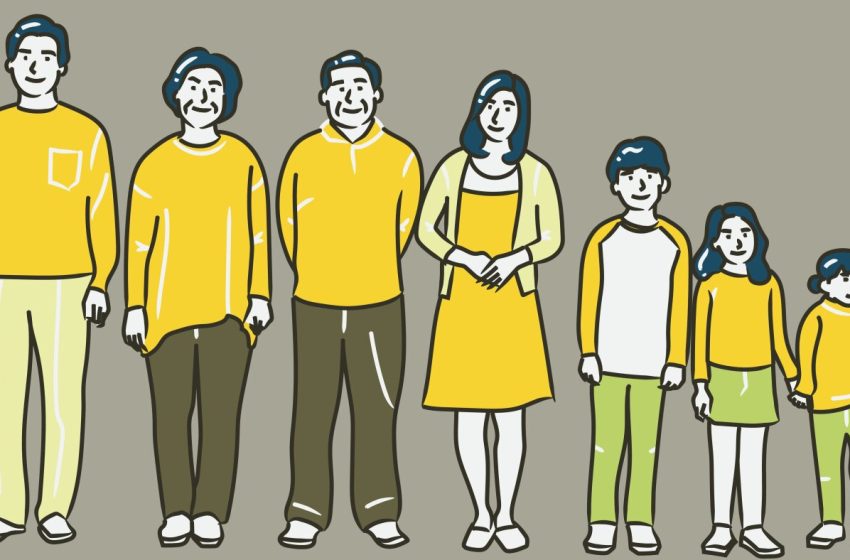
Gay people often have older brothers. In the 1990s, this was dubbed the “fraternal birth order effect.
J.Stone/Imazins/Getty Images
hide caption
toggle caption
J.Stone/Imazins/Getty Images
Today, guest host Selena Simmons-Duffin is exploring a detail very personal to her: How the number of older brothers a person has can influence their sexuality.
Scientific research on sexuality has a dark history, with long-lasting harmful effects on queer communities. Much of the early research has also been debunked over time. But not this “fraternal birth order effect.” The fact that a person’s likelihood of being gay increases with each older brother has been found all over the world – from Turkey to North America, Brazil, the Netherlands and beyond. Today, Selena gets into all the details: What this effect is, how it’s been studied and what it can (and can’t) explain about sexuality.
Interested in the science of our closest relatives? Check out more stories in NPR’s series on the Science of Siblings.
Email us at [email protected] — we’d love to hear from you.
Listen to Short Wave on Spotify, Apple Podcasts and Google Podcasts.
Listen to every episode of Short Wave sponsor-free and support our work at NPR by signing up for Short Wave+ at plus.npr.org/shortwave.
This episode was produced by Rachel Carlson. It was edited by Rebecca Ramirez and fact-checked by Brit Hanson. Maggie Luthar was the audio engineer.
First Appeared on
Source link






