


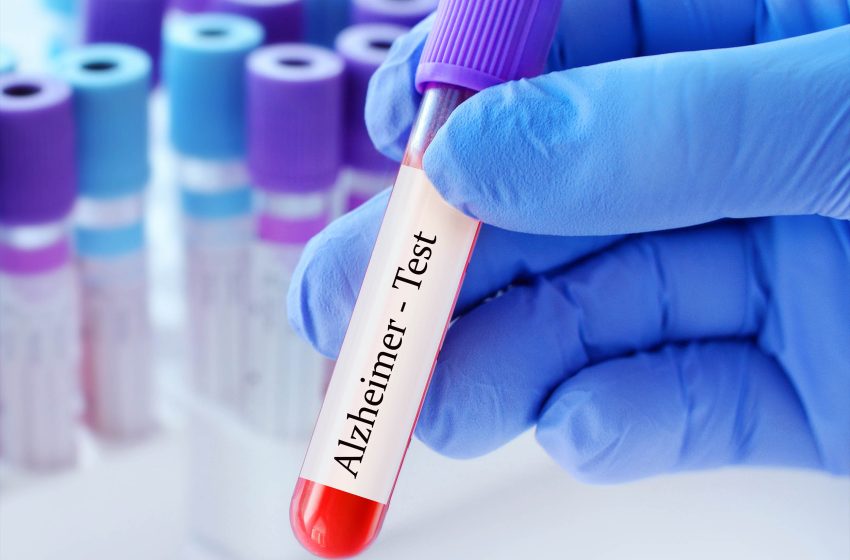
Blood test predicts dementia 25 years before symptoms appear
Could a simple blood test warn someone about dementia decades before memory problems begin? Scientists believe this may soon become reality.
A new study suggests that a specific protein in blood could show a woman’s risk of dementia up to 25 years before symptoms appear.
Early detection could give doctors and researchers more time to understand the disease and possibly slow its progress.
Researchers from the University of California San Diego carried out this study discovered that higher levels of a protein called phosphorylated tau 217, or p tau217, were linked to a higher chance of developing memory and thinking problems later in life.
This finding could help doctors recognize risk much earlier than before.
Protein linked to Alzheimer’s disease
Dementia does not appear suddenly. Changes in the brain begin many years before noticeable symptoms.
Alzheimer’s disease, the most common form of dementia, starts with small changes in brain cells long before memory problems become obvious.
One important change involves a protein called tau. In healthy brains, tau helps nerve cells stay stable and work properly. In Alzheimer’s disease, tau changes form and begins to damage brain cells.
Scientists believe the tau protein p tau217 reflects very early brain changes linked to Alzheimer’s disease.
The researchers measured p tau217 levels in blood samples from women whose memory and thinking abilities were normal when the study began.
The results showed that higher levels of this protein often predicted future cognitive decline.
Tracking brain health for many years
The researchers used information from the Women’s Health Initiative Memory Study in the United States. This long-running study followed 2,766 women between the ages of 65 and 79.
All participants had healthy thinking abilities at the beginning of the study in the late 1990s. Scientists collected blood samples and stored them carefully for later testing.
The experts then followed participants for many years and monitored changes in memory and thinking ability. During the study period, 1,311 women developed mild cognitive impairment or dementia.
Mild cognitive impairment describes an early stage of memory loss that can sometimes progress into dementia. This long observation period allowed scientists to connect early blood markers with later brain health.
Higher protein meant greater risk
The study results revealed a strong pattern. Women with higher p tau217 levels in blood faced a much higher chance of developing dementia later in life.
In fact, higher levels of the protein were linked to more than three times the risk of dementia compared with women who had lower levels.
Women with the highest levels faced an even greater danger. Some participants experienced a risk that was about seven times higher.
These results suggest that p tau217 may act as an early signal of brain changes long before symptoms appear.
If doctors detect these signals early, medical teams may have more time to watch brain health and explore ways to reduce risk.
Why early detection matters
Early identification of dementia risk could change how doctors approach brain health. Instead of waiting until memory problems appear, medical professionals could monitor patients earlier and suggest lifestyle or medical strategies to protect brain function.
“Our study suggests we may be able to identify women at elevated risk for dementia decades before symptoms emerge,” said Dr. Aladdin H. Shadyab, first author of the study.
“That kind of long lead time opens the door to earlier prevention strategies and more targeted monitoring, rather than waiting until memory problems are already affecting daily life.”
Early warning signals could also help scientists study how lifestyle, health conditions, and aging influence the brain.
Factors that influence dementia risk
The study also showed that dementia risk does not depend on one factor alone. Age, genetics, and hormone therapy all affected how strongly p tau217 predicted future problems.
The link between p tau217 and dementia appeared stronger in women older than 70 when the study began.
Women who carried the APOE ε4 gene, which increases the risk of Alzheimer’s disease, also showed a stronger connection between the protein and memory decline.
The researchers also examined hormone therapy. Women who received estrogen combined with progestin showed a stronger connection between high p tau217 levels and dementia risk compared with women who received a placebo.
These results show that several biological and medical factors can influence dementia risk.
The team explored how the protein worked across different racial groups. Higher p tau217 levels predicted dementia in both Black and White women, although the connection appeared stronger in White women.
When the researchers combined protein levels with age, prediction accuracy improved and became similar for both groups.
Blood tests could offer a major advantage for dementia research. Current methods such as brain scans or spinal fluid tests can be costly and uncomfortable for many people.
“Blood-based biomarkers like p-tau217 are especially promising because they are far less invasive and potentially more accessible than brain imaging or spinal fluid tests,” said Dr. Linda K. McEvoy, senior author of the study.
Future of dementia blood tests
Even though this discovery looks promising, doctors do not yet recommend this blood test for healthy individuals without symptoms. Scientists still need more studies before routine medical use becomes possible.
Future research will examine how age, genetics, hormone therapy, and other health factors affect p tau217 levels over time. Scientists hope this knowledge will lead to new ways to slow or prevent dementia.
“Ultimately, the goal is not just prediction, but using that knowledge to delay or prevent dementia altogether,” said Dr. Shadyab.
If future research confirms these findings, a simple blood test may one day help doctors recognize dementia risk long before memory problems begin.
Early knowledge could provide the chance to protect brain health and improve quality of life.
The study is published in the journal JAMA Network Open.
—–
Like what you read? Subscribe to our newsletter for engaging articles, exclusive content, and the latest updates.
Check us out on EarthSnap, a free app brought to you by Eric Ralls and Earth.com.
—–
First Appeared on
Source link






