


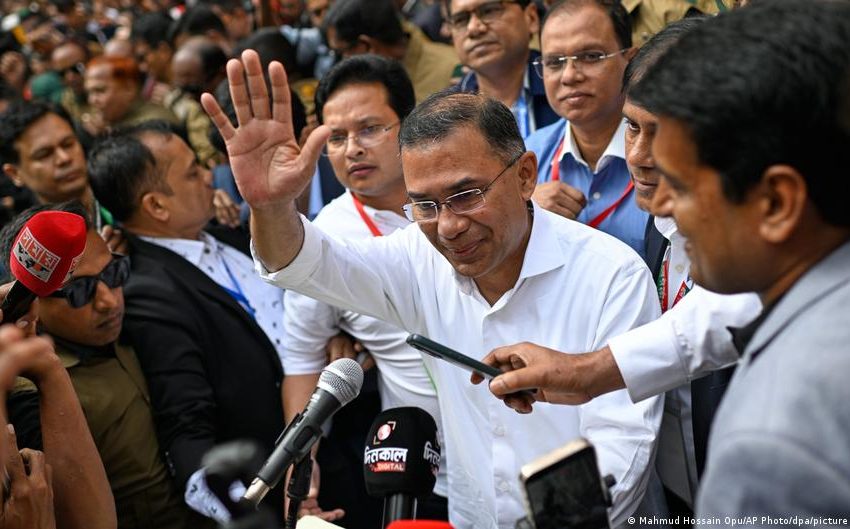
BNP set for victory in landmark vote
The youth-driven party National Citizen Party (NCP) might not perform as well at the elections as some might have expected, voters and experts in Bangladesh are saying, despite the fact that it was born out of the Gen Z uprising that paved the way for Thursday’s vote.
Following the revolution, Bangladeshis had high hopes from its Gen Z as they toppled the authoritarian regime of Sheikh Hasina. People expected them to offer a third alternative to the old guard, as represented for decades by the Awami League and the BNP party.
But soon cracks began to develop in the party. Despite the fact that the protests led by Gen Z were secular and inclusive in nature, its top leadership decided to ally with a right-wing Islamist party, Jamaat-e-Islami.
Many of its members, especially women, resigned from the party, citing ideological differences with the Islamists. This reduced the credibility of the students’ party, observers say.
Another reason that might reduce support for the NCP, according to some, is the leaders’ tendency to equate the 2024 uprising with the Bangladeshi War of Independence of 1971.
That war is a highly emotional issue for many in Bangladesh, reminding them of the crimes that were committed during the conflict, including the hundreds and thousands of killings and rapes of women.
Some people say it was arrogant of the NCP party to equate the uprising with the war, which led to Bangladesh achieving independence from Pakistan.
A third reason why support for the NCP is lower than might have been expected is the allegations of corruption against some of its members.
They have prevented the party from taking the moral high ground, with corruption a major issue for voters at the election.
There might be a lesson for the Gen Z party if it is defeated: Toppling a government is one thing, but actually changing a country’s politics is a completely different ball game.
And now, a lot of people can’t help but ask: Did the 2024 uprising and all the sacrifices young people made really mean anything in the end?
First Appeared on
Source link






