



Cardiac surgeon says this ingredient present in most packaged foods and beverages is silently destroying your heart
Love your sodas and sugary treats? You’re not alone – but there’s a hidden danger in these everyday indulgences. Added sugar, found in everything from soft drinks and candies to seemingly ‘healthy’ packaged foods, can quietly raise your risk of heart disease, disrupt blood sugar, and harm your cardiovascular health.
Also Read | Cardiologist reveals what flying does to your heart health; shares how to protect yourself on every flight
Dr Dmitry Yaranov, a cardiologist and heart transplant surgeon specialising in advanced heart failure, heart transplantation, and mechanical circulatory support, has revealed a common ingredient in many packaged and ultra-processed foods that is quietly damaging your heart and cardiovascular health. In an Instagram post shared on November 13, he explains how added sugars raise the risk of heart disease, contribute to rising new cases each year, disrupt blood sugar levels, and harm overall cardiovascular health.
A common additive destroying your heart
Dr Yaranov highlights, “We’ve been told for years to fear fat and cholesterol – but the real silent threat to your heart is something much sweeter. Every day, I see patients who ‘eat healthy’ yet come in with early signs of heart failure, arrhythmias, or stubborn high blood pressure – and the common denominator is added sugar.”
It is commonly used as an additive in beverages, snacks, sauces and even seemingly ‘healthy’ foods like yoghurt and protein bars.
Why is added sugar harmful?
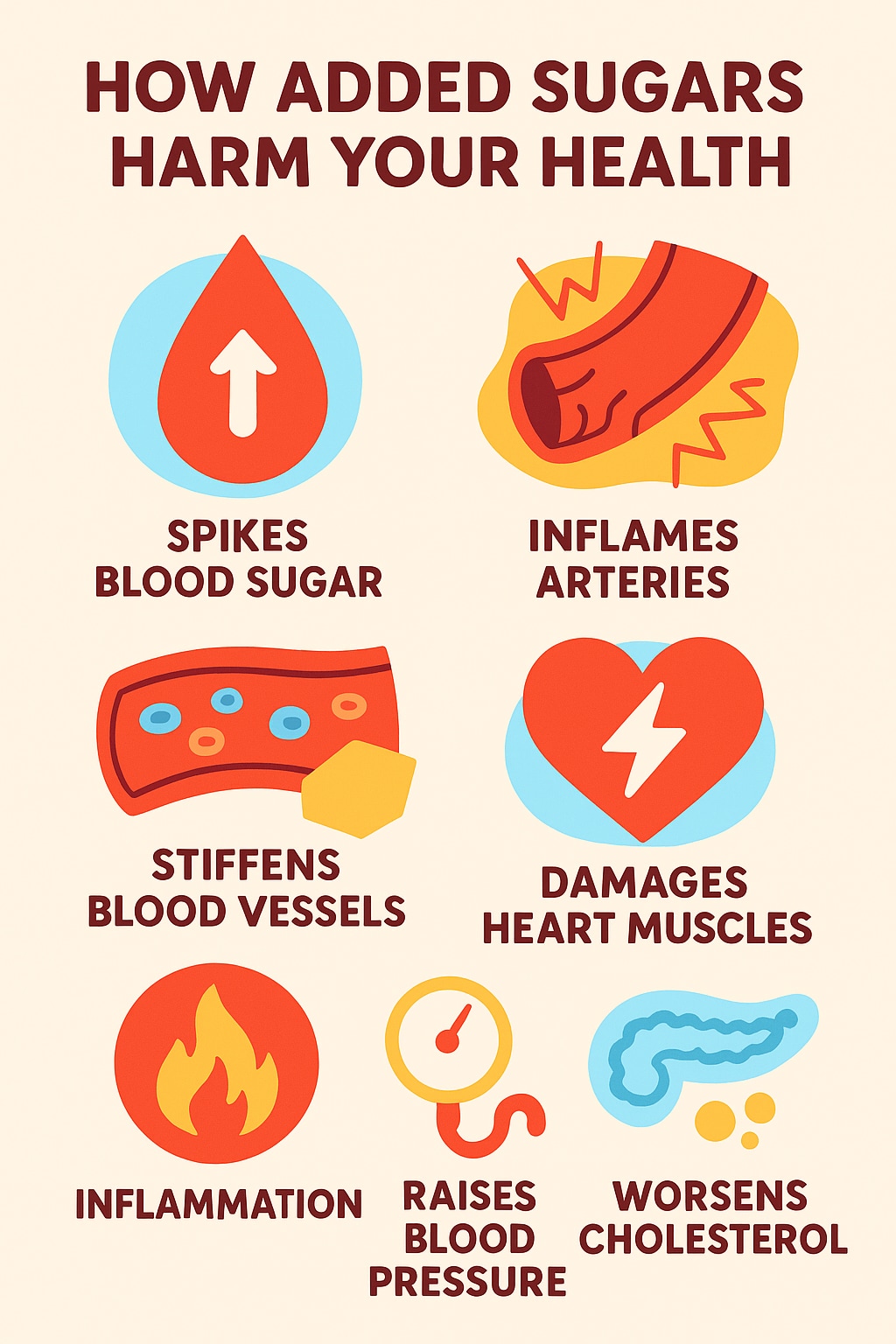
According to Dr Yaranov, added sugars don’t just spike your blood sugar levels – they also inflame arteries, stiffen blood vessels, and silently damage the heart muscles that keep you alive. Added sugars are dangers because they fuel inflammation, raise blood pressure, worsen cholesterol, and disrupt glucose control which can affect both your heart and pancreas.
He states, “Just one serving a day raises heart disease risk by 18 percent. Two or more? 21 percent higher – even in people who work out. In 2025, researchers found 17 percent higher heart disease risk, 23 percent higher coronary artery disease, and nine percent higher stroke risk – all linked to this one ingredient, especially from ultra-processed foods.”
The cardiac surgeon emphasises that globally, added sugar consumption contributes to one million new heart cases and 2.2 million new type 2 diabetes cases every year. “A JAMA study found that people getting more than 25 percent of calories from it had two times the risk of dying from cardiovascular disease – compared with those under 10 percent,” adds Dr Yaranov.
Tips to control intake
Dr Yaranov notes that the American Heart Association recommends no more than six teaspoons (around 100 calories) of sugar per day for women, and no more than nine teaspoons (about 150 calories) per day for men. However, most people consume almost two or three times the recommended limit without even realising it.
The cardiologist recommends simple yet effective ways to manage added sugar intake, such as checking labels for ‘added sugar’ and swapping one sugary drink a day for water or tea. He emphasises that cutting back on sugar is key to a stronger, healthier heart.
Note to readers: This article is for informational purposes only and not a substitute for professional medical advice. It is based on user-generated content from social media. HT.com has not independently verified the claims and does not endorse them.
First Appeared on
Source link






