



Doctors Dismissed Her Severe Pain as Anxiety. But Inside Her Body, It ‘Looked Like a Bomb Had Gone Off’
NEED TO KNOW
-
Amy Peckham-Driver, now 31, began struggling with severe menstrual pain in her teens, but doctors just told her to take a birth control pill
-
She told the BBC that she was diagnosed with endometriosis at age 27, and when she had surgery, her pelvis “looked like a bomb had gone off”
-
She’s now speaking out to raise awareness about the condition
A woman who had been struggling with severe pain from her periods was dismissed by doctors as having anxiety — until she was finally diagnosed with endometriosis.
Amy Peckham-Driver, now 31, was just 14 years old when she struggled with period pains so severe they caused her to pass out. She asked her doctor at the time if it could be endometriosis, but says she was told she was too young and was advised to take a birth control pill instead.
Endometriosis is a debilitating condition where tissue similar to the lining of the uterus grows elsewhere — causing pelvic pain, heavy periods, and at times, infertility. It absolutely can happen to a teen; As the National Library of Medicine points out, “The majority of women report symptoms since adolescence.”
Amy Peckham-Driver after surgery for endometriosis.
Credit: Courtesy Amy Peckham-Driver
But Peckham-Driver, who hails from the English town of Needham Market, tells the BBC she was told her pain was from anxiety, or perhaps Irritable Bowel Syndrome. She said she felt “medically gaslit.”
“You know your health is disintegrating in front of you and there’s absolutely nothing you can do to stop it, apart from being told to just take the contraceptive pill so you don’t have periods,” she told the outlet.
Peckham-Driver was finally diagnosed with endometriosis at age 27 — and when she underwent surgery for the condition, her doctor told her her pelvis “looked like a bomb had gone off.”
Treatment for endometriosis is limited: medication may help alleviate the symptoms of the condition, but surgery — to remove the tissue adhesions inside the body — may also be an option. There is no cure, but sometimes the condition goes away on its own after menopause.
As for having children, although she froze her eggs, she says her supply is too low for IVF. “I never would have ended up in that position if I’d been diagnosed 10 years ago,” she told the outlet.
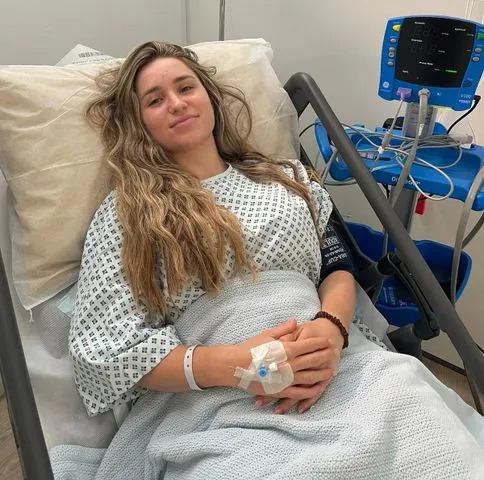
Amy Peckham-Driver after undergoing a procedure to collect and freeze her eggs.
Credit: Courtesy Amy Peckham-Driver
Never miss a story — sign up for PEOPLE’s free daily newsletter to stay up-to-date on the best of what PEOPLE has to offer, from celebrity news to compelling human interest stories.
Peckham-Driver has since founded the collective Let’s Talk Women’s Health Suffolk, and shares her journey on social media to help raise awareness about the condition.
“I know what it’s like to feel completely alone in this journey, I know what it’s like to have to fight to be heard, and I know how much of a difference it makes to be armed with the right information when there’s no clear-cut route to getting better,” she’s written online. “There’s still a long way to go, but the more people understand this ghastly disease, the greater chance we have of improving the way it’s treated, and the closer we are to kicking endo’s ass for good.”
Read the original article on People
First Appeared on
Source link






