


Expect Sonic Booms As SpaceX Prepares To Launch 25 Starlink Satellites From Vandenberg This Week
Residents along California’s Central Coast may hear sonic booms this week as SpaceX prepares for a launch from Vandenberg Space Force Base.
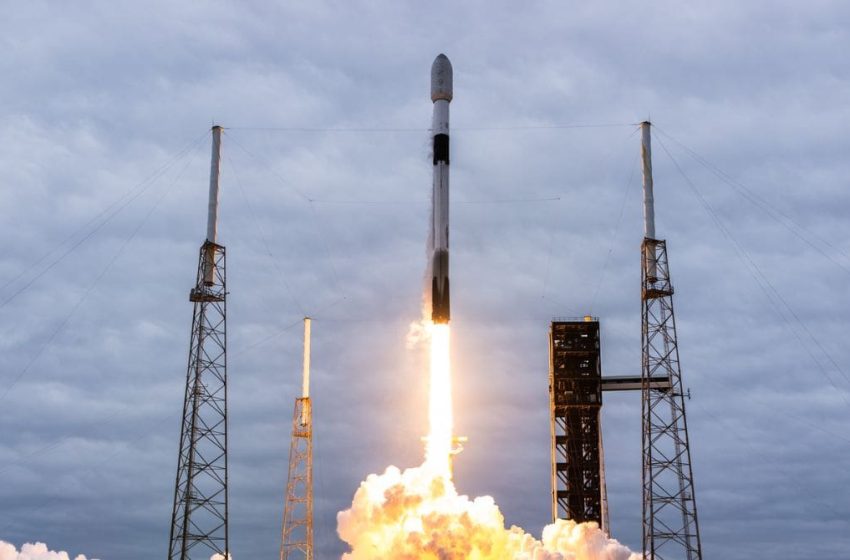
SpaceX is planning to launch 25 Starlink satellites into low-Earth orbit aboard a Falcon 9 rocket. The launch is scheduled for March 20, 2026, with a mission window from 2:48 a.m. to 6:48 p.m. PT at Space Launch Complex-4 East.
The mission will use a first-stage booster on its fourth flight, which previously supported the NROL-105 mission and two earlier Starlink launches.
After separating from the upper stage, the booster is expected to return and land on the droneship ‘Of Course I Still Love You’ in the Pacific Ocean.
Where to Livestream the Launch?
The launch will be available via a live webcast beginning about five minutes before liftoff. The webcast will be available on SpaceX’s X account, its website, and the X TV app.
SpaceX has cautioned residents of Santa Barbara, San Luis Obispo, and Ventura counties that they may experience one or more sonic booms during the mission. What people hear will depend on weather conditions and the rocket’s flight path.
Sonic booms can be experienced differently, with some people feeling vibrations while others may hear loud rattling of windows.
Falcon 9 is a central part of SpaceX’s launch operations and is known for its reusable design. The rocket has completed 614 missions to date, including 568 successful landings and 534 reflights.
It is the first orbital-class reusable rocket, helping lower the cost of sending payloads into space.
Vandenberg Steps Up Efforts on Sonic Booms
With launch activity increasing, efforts are underway to address community concerns. In February, Vandenberg Space Force Base introduced a “Mission Update” speaker series to improve communication with residents and provide clearer information about operations.
In addition to outreach efforts, research is also underway to better understand sonic booms. The ECOBOOM program was launched in partnership with Brigham Young University and California State University, Bakersfield.
The program studies how sound from rocket launches travels through the atmosphere and how it is experienced on the ground.
Since mid-2024, researchers have tracked 23 launches and collected 477 acoustic recordings from monitoring stations across the region. The data is being used to study sound intensity patterns and factors that influence what residents hear during launches.
Reports from local communities have increased in recent years, including accounts of shaking homes and distressed pets following launches.
First Appeared on
Source link






