


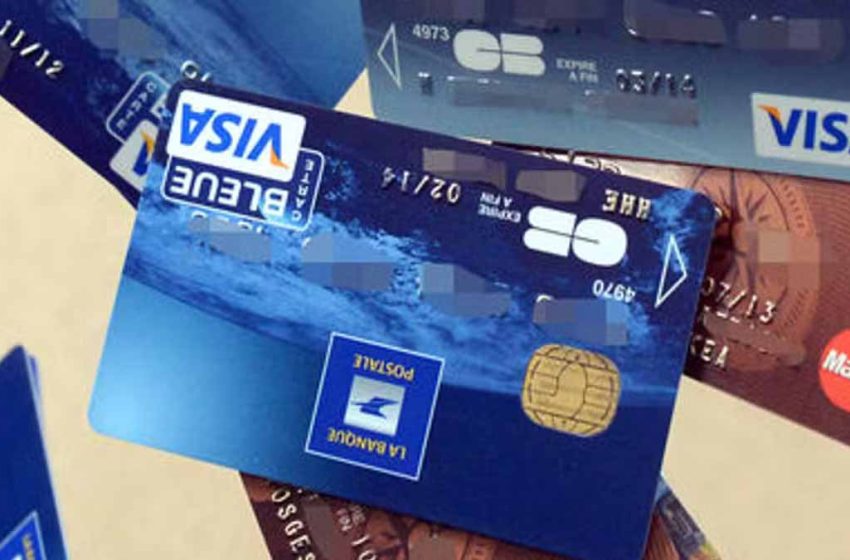
Experts Urge You to Put a Sticker on Your Credit Card—the Genius Security Hack Scammers Hate
Rising payment fraud has pushed security specialists to propose a surprisingly simple countermeasure: a discreet sticker on your bank card. The tactic is low-cost yet potent, and it adds friction where criminals prefer ease. By obscuring what thieves need to see, this small addition creates a barrier that most opportunists simply won’t cross.
Why a small sticker frustrates big scams
Modern theft often exploits visibility, not just code. Micro-cameras and shoulder-surfing pry on digits, names, and expiration dates during everyday payments. In busy lines and self-checkout areas, a quick glance can capture details that fuel card-not-present fraud.
An opaque sticker blocks the visual path to identifiers, especially the CVV, name, and expiry date. Without a reliable snapshot, duplication becomes messy, and fraudulent attempts are more likely to fail. This is a form of “privacy by design” that limits what a bystander can harvest.
Some users even place a secondary sticker hinting at a bogus PIN, which misleads attackers and triggers locks on counterfeit attempts. While not essential, this playful decoy adds psychological cost, nudging intruders toward easier targets.
“Security thrives on small, repeatable habits that add friction for attackers while remaining effortless for the user.”
Everyday use stays smooth
A good sticker shields only printed data, leaving the chip, magstripe, and NFC untouched. That means your daily tap, dip, or swipe remains normal, with no clunky workarounds or stalled transactions. The card still fits in wallets and readers, and checkout routines feel entirely familiar.
Because the most sensitive visuals are masked, casual observation loses its edge. Fast-moving environments become less rewarding for prying eyes, and video-based skimming gets less useful footage. Small privacy layers compound into meaningful safety during real-world shopping.
Some banks are experimenting with relocated or hidden details, but many cards still present data in easily scanned layouts. Until designs catch up, a subtle sticker offers immediate, quiet, and broadly compatible protection.
What to look for in a discreet cover
- Opaque surface for reliable masking, with minimal visual glare.
- Durable material that handles water, heat, and friction from daily carry.
- Sensible thickness that won’t snag in readers, yet won’t peel early.
- Coverage that fits name, CVV, and expiry, without touching the chip.
- Neutral color to avoid unnecessary attention, blending with the card’s design.
- Adhesion that stays put but removes without residue, preserving the finish.
- Extras on hand for quick replacement, keeping protection consistent.
How this tiny change shifts attacker economics
Most low-effort scams depend on swift visual harvests, not advanced hacking. A sticker adds just enough obfuscation to erode their success rate. When a thief can’t trust the captured numbers, they waste time, risk detection, and move on. Security often improves not by perfect secrecy, but by reducing the attacker’s return on effort.
The effect compounds in public spaces, where cameras and bystanders funnel constant glimpses of cards in use. By narrowing the exposure window, you convert obvious targets into unproductive bets. That calculus shift is especially meaningful in checkout queues, transit hubs, and crowded events.
Complementary habits that amplify protection
Layered defenses tend to outperform single tricks, even when each layer is small. Routine account monitoring catches anomalies early, turning suspicious charges into quick reversals. Thoughtful wallet placement reduces casual flash, limiting what strangers can see. Shielding keypads counters shoulder-surfing of PINs, which often pairs with visual data theft. Awareness at ATMs and terminals helps spot tampering or odd attachments, features that hint at skimmer risks.
These are light-touch habits, not heavy chores, and they complement the sticker’s visual shield. Over time, incremental safeguards build durable resilience across everyday payments.
Cost, access, and practicality
The approach is affordable, widely available, and easy to keep updated. Security-focused shops and mainstream marketplaces offer varied formats, from minimalist strips to full-width covers. Prices are modest compared with the financial and emotional toll of fraud, and the small investment delivers steady peace of mind.
Crucially, the solution respects usability, which is where many protective measures fail. It requires no new apps, no extra gadgets, and no learning curve that wears on patience. You get immediate gains in privacy with virtually zero friction at the point of sale.
A tiny square of opaque film won’t stop every attack, but it meaningfully constrains what opportunists can observe. In the real world, that constraint is often the difference between harmless glances and actionable theft. For a few cents and a few seconds, the payoff is remarkably high, and the risk to your payments meaningfully lowered.
First Appeared on
Source link






