


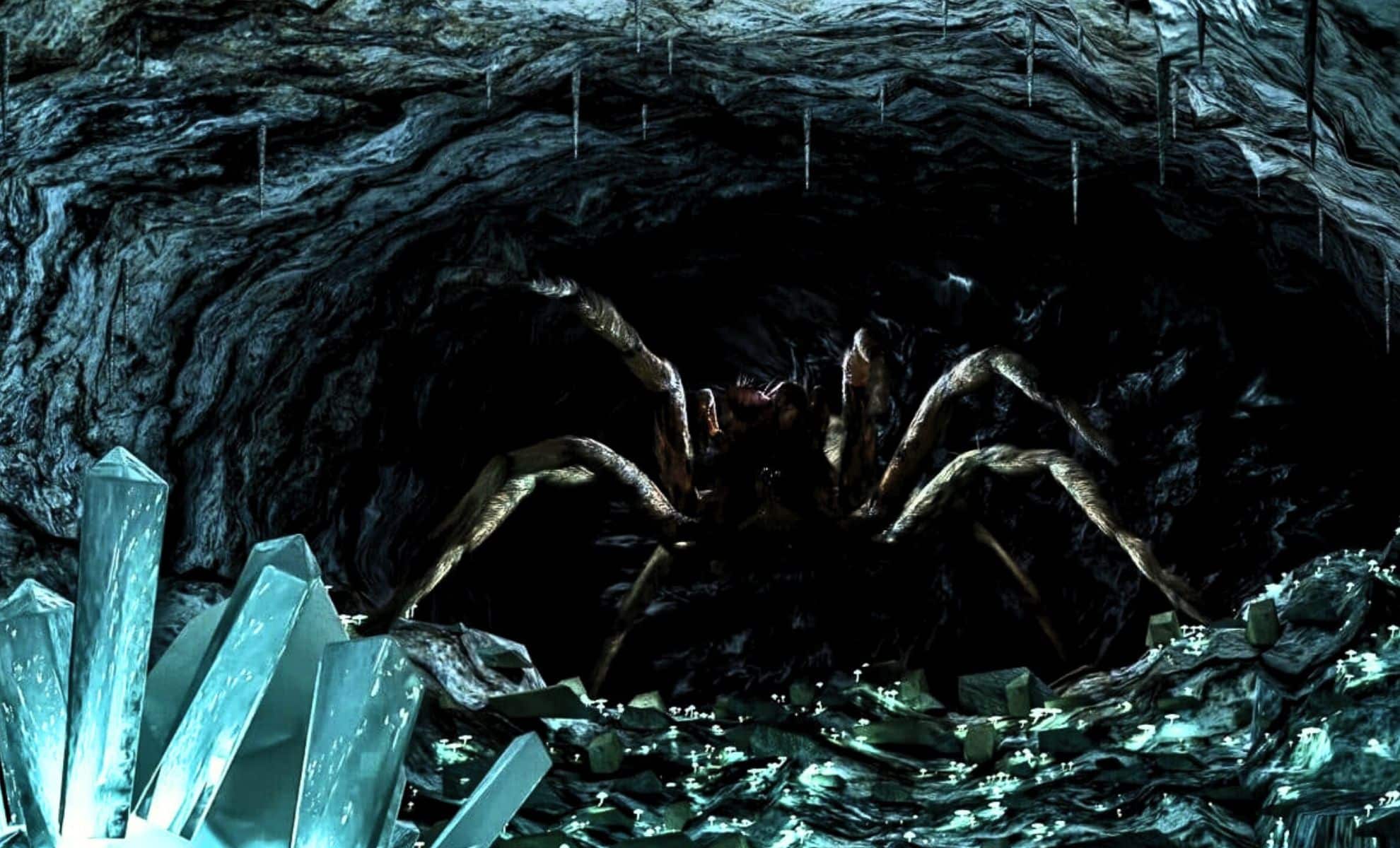
For 25 Years, This Giant ‘Spider’ Dominated Headlines for 25 Years — but It Was Something Else Entirely
In 1980, a fossil pulled from the carbon-rich rock beds of central Argentina stunned the paleontological world. Named Megarachne servinei, the creature was hailed as the largest spider ever discovered—its body reportedly over a foot long, with an imposing leg span exceeding 19 inches (48.26 cm).
Headlines trumpeted a nightmarish relic from Earth’s deep past, and museum reconstructions brought this colossal arachnid to life for millions. But the fossil’s terrifying reputation was built on a flawed interpretation.
For more than two decades, Megarachne was considered a landmark discovery: a predatory spider of unprecedented size dating from the Carboniferous period. Yet the original fossil, discovered by Argentine paleontologist Mario Hünicken, remained locked in a bank vault, inaccessible to most of the scientific community.
Its classification went unchallenged—until another fossil emerged and forced a fundamental rethinking of what the creature truly was. In 2005, a new analysis published in Biology Letters shattered the decades-old narrative. The truth behind Megarachne was stranger—and far more revealing—than fiction.
Not a Spider, but a Sea Scorpion
According to the 2005 reanalysis by paleontologists Paul Selden, José Corronca, and Hünicken himself, Megarachne was not a spider at all. Instead, it belonged to the eurypterids—an extinct lineage of aquatic arthropods commonly known as sea scorpions. The revised study demonstrated that the fossil’s features, previously assumed to be spider-like, were actually far more consistent with those of a swimming, water-dwelling predator.
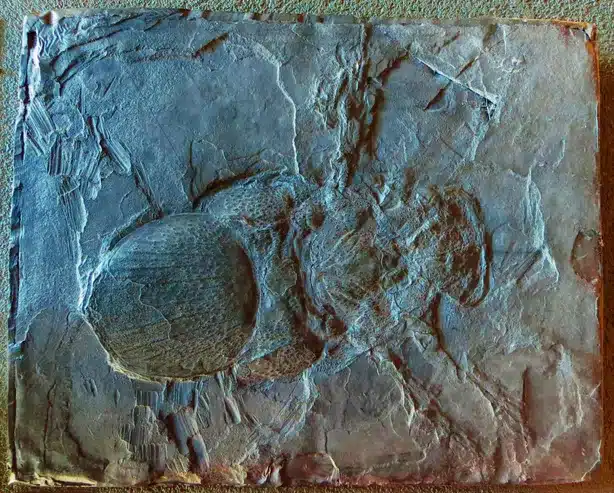
The telltale evidence came from a second fossil found in the same geological formation. This new specimen revealed distinct structures—crescent-shaped lunules and pointed mucrones on the carapace—that matched known characteristics of eurypterids. These details, invisible or misinterpreted in the original 1980 discovery, forced a complete reclassification.
“The original classification leaned heavily on visual interpretation and incomplete data,” Selden explained in the study. “When more complete specimens became available, the anatomical evidence was overwhelming.”
National Geographic later reported that the fossil’s morphology never fully aligned with known spider anatomy. Notably absent were spinnerets—essential for web-spinning—and key synapomorphies that define true arachnids. Despite these red flags, no reevaluation occurred for over 20 years due to lack of access to the original specimen.
A Locked Fossil and a Missed Correction
The enduring error surrounding Megarachne wasn’t just scientific—it was procedural. As The Daily Galaxy reports, Hünicken’s original specimen was kept out of circulation, stored in a secure vault and unavailable for verification or peer review. In a field where fossil discoveries are often based on single, incomplete specimens, such restricted access can delay critical corrections for years—or decades.
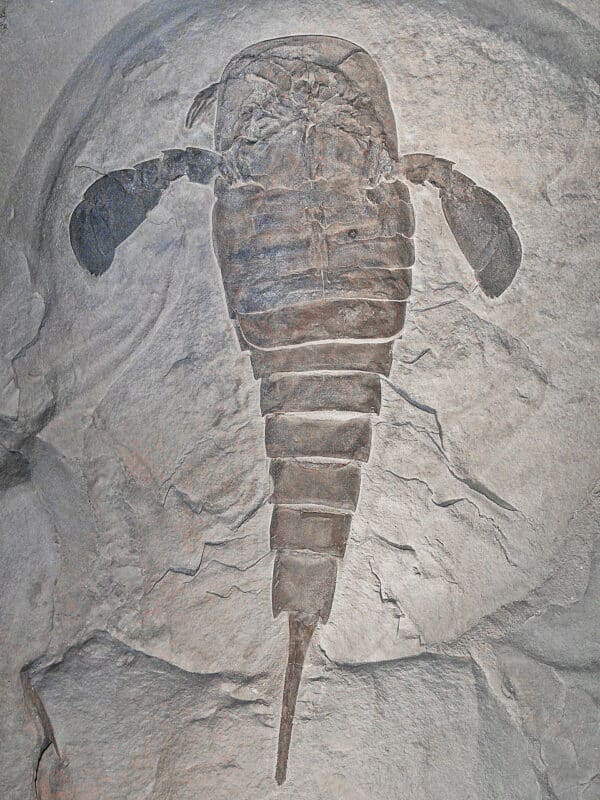
The implications extend beyond taxonomy. In 2005, just as the revised classification was being finalized, the BBC released its documentary series Walking with Monsters, featuring a dramatized version of Megarachne as a giant spider. Producers scrambled to downplay the error by relabeling the creature as a Mesothelae—a smaller, real spider species—but the damage was done. The visual narrative had been broadcast worldwide, cementing a false image in the public consciousness.
“This case underscores how critical open access and collaboration are in science,” said Dr. Emily Rayfield, a vertebrate paleobiologist at the University of Bristol, who was not involved in the study. “Peer review depends on transparency, and this fossil was hidden in plain sight.”
How the Error Was Made—and Why It Lasted
At first glance, Megarachne did look like a spider. The fossil’s wide body, segmented appendages, and what appeared to be fangs led Hünicken to describe it as a giant mygalomorph—a tarantula-type spider. Early X-ray images suggested the presence of a sternum and labium, and reconstructions were made accordingly.
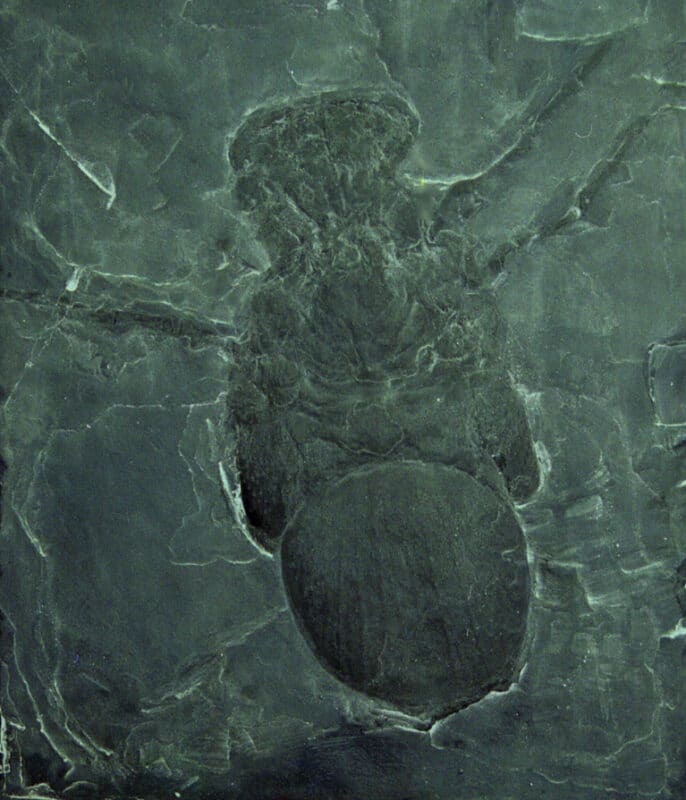
But the foundational issue was a lack of corroboration. As Biology Letters notes, key arachnid features were missing or misidentified. No spinnerets. No evidence of silk production. And critically, no preserved synapomorphies of Araneae, the true spiders. Once the second fossil was found and examined in full anatomical context, the original misclassification collapsed under the weight of new data.
Even so, taxonomic rules meant the name Megarachne remained. As a result, one of the most famously misidentified fossils in modern history still carries a name that implies it is something it is not.
What Megarachne Reveals About Paleontology
The reclassification of Megarachne servinei is more than a scientific correction—it is a powerful reminder of the limits and vulnerabilities of paleontology. The field relies on fragmentary records, many of which are difficult to date, access, or fully reconstruct. In such a system, errors are not just possible—they’re inevitable.
Yet the persistence of the Megarachne myth points to broader concerns. Scientific authority was ceded too easily in the absence of independent verification. Media institutions and museum exhibits capitalized on the shock factor of a massive spider without revisiting the data that supported it.
As National Geographic reported, the fossil has now been recognized as “the most complete eurypterid so far recorded from Carboniferous strata of South America”—a discovery just as significant, if less sensational. What was lost in spectacle has been recovered in scientific insight.
First Appeared on
Source link






