


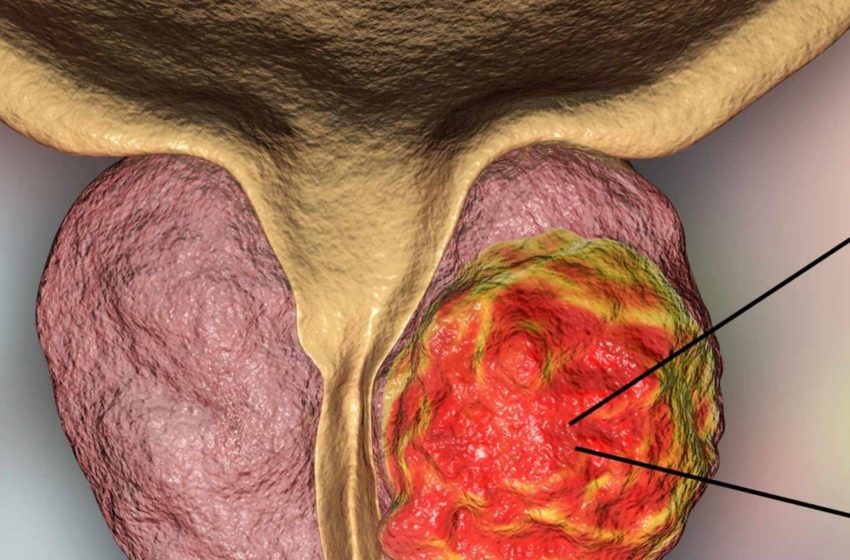
Frequent ejaculation is associated with lower risk of prostate cancer
Men who report ejaculating 21 or more times a month have shown about a 20% lower risk of being diagnosed with prostate cancer than those reporting four to seven times monthly.
The finding elevates a private, everyday behavior into one of the few modifiable factors linked to a disease that has long been dominated by age and genetics.
Sexual habits and prostate risk
Over nearly two decades of follow-up in a large cohort of U.S. health professionals, differences in sexual frequency tracked with which men later developed prostate cancer.
By linking men’s reported ejaculation patterns to confirmed diagnoses, Dr. Jennifer R. Rider at Harvard T.H. Chan School of Public Health (HSPH) demonstrated that higher monthly frequency aligned with fewer subsequent cases.
That pattern held across adulthood and was most evident for tumors classified as low risk at diagnosis, reinforcing the consistency of the association over time.
Protection did not extend clearly to advanced or aggressive cancers, a boundary that shapes how the finding should be interpreted before the discussion turns to possible biological explanations.
Why release might matter
Regular ejaculation may help because the prostate makes fluid, and some of that fluid can linger between releases of the gland.
During ejaculation, the gland squeezes out secretions, which could lower exposure to carcinogens that can start cancer in cells.
Over years, that buildup may irritate the gland lining, and chronic inflammation can make it easier for cells to change.
Even so, ejaculation is not a substitute for medical care, and scientists still need clearer biology for aggressive tumors.
Understanding the correlation
In real life, ejaculation can happen through sex or masturbation, so frequency often tracks overall sexual function and comfort.
Because men reported their own habits, the result shows a correlation – a link that does not prove cause.
Rider adjusted for many lifestyle factors, and men in different groups reported similar prostate screening habits over time.
Men should treat the finding as one possible risk reducer, not as a guarantee or personal medical advice.
Diet and prostate health
Diet advice often starts with fat, and Johns Hopkins Medicine urges cutting trans and saturated fats for prostate health.
Swapping in fish, nuts, and seeds adds omega-3s that can dampen inflammation, a process that can fuel tumors.
Colorful produce, soy foods, and green tea also bring plant compounds that may slow some prostate cancer cells.
High-heat grilling and frying can char meat and create chemicals, so moderation matters even when protein stays on the menu.
Movement and body fat
Daily movement matters because body fat can change hormone levels, and hormones can affect prostate cell growth over decades.
Regular exercise also helps the immune system work better, which can limit long-term inflammation in many tissues.
Johns Hopkins notes that obesity can raise the odds of more aggressive prostate cancer, even if overall risk stays mixed.
Staying active will not erase genetic risk, but it can support the same prevention goal as diet choices.
Smoking and tumor spread
Smoking exposes the body to chemicals that can damage genetic material, and prostate tissue is not protected from that harm.
Over years, tobacco use can also weaken blood vessels and immunity, which may help cancers grow and spread.
Doctors use the word metastasis to describe cancer that has spread to distant organs. This is a dangerous stage that smoking can worsen.
Quitting helps in many ways, and it pairs with other habits that can keep prostate cancer less likely.
Inherited prostate cancer risk
Family history remains important, and the American Cancer Society says a father or brother with prostate cancer more than doubles risk.
Inherited gene changes can disrupt how cells repair genetic material, allowing small errors to pile up until cells grow out of control.
In that same guide, the society also flags Lynch syndrome, an inherited condition that raises several cancer risks, as one possible contributor.
Knowing that background can guide when to start screening talks with a clinician, especially for Black men after age 50.
Screening and early checks
Regular checkups can catch quiet disease early, and a PSA test – a blood test for a prostate-made protein – is common.
Along with a physical exam, the PSA result can prompt more testing, including a biopsy – a tissue sample that is checked for cancer.
Regular screening is essential for accessing timely treatment and improving the chances of a favorable outcome.
Embarrassment and silence can delay that first visit, yet early PSA testing gives men more options when problems appear.
Combining prevention habits
Worldwide, the World Cancer Research Fund counted 1,467,854 new prostate cancer cases in 2022, so prevention choices touch many families.
No single habit guarantees protection, but combining sex life choices, healthy diet, regular movement, and no smoking can lower overall odds.
A clinician can help set screening timing, especially when family history or inherited risks change the baseline odds.
Ejaculation frequency sits inside that larger picture, offering one more modifiable behavior while researchers untangle the biology.
Expanding prostate research
New evidence adds sexual activity to a short list of daily choices that may lower prostate cancer risk.
Future studies need to test which prostate changes follow ejaculation, and whether that link holds for more men.
The study is published in European Urology.
—–
Like what you read? Subscribe to our newsletter for engaging articles, exclusive content, and the latest updates.
Check us out on EarthSnap, a free app brought to you by Eric Ralls and Earth.com.
—–
First Appeared on
Source link






