


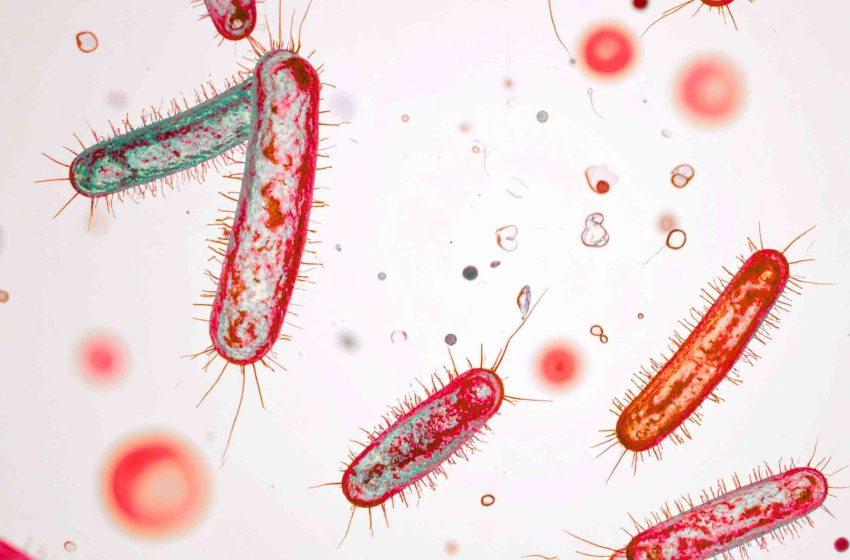
Fungus and bacterium can join forces and cause a super infection
Scientists have discovered that a common fungus and a common bacterium can combine to injure living tissue far more severely than either microbe does alone.
The finding recasts some mixed infections as coordinated assaults, where the danger depends on the partners involved, not just the names on a lab report.
Tiny destructive alliance
In mouthlike tissue and in mice, that destructive partnership kept emerging when Candida albicans, a fungus that normally lives on human mucous surfaces, and certain strains of Enterococcus faecalis, a bacterium commonly found in the gut, appeared together.
Working at the Leibniz Institute for Natural Product Research and Infection Biology (Leibniz-HKI), Prof. Dr. Ilse Denise Jacobsen documented that the extra damage came from only part of the bacterial lineup.
That split sharpened the finding, because the alliance was not a fixed feature of the species pair but a property of particular strains.
It also set a clear limit on the result and pointed directly to the next question: what those dangerous strains carry that the others do not.
Toxin tips balance
One bacterial tool stood out: cytolysin, a toxin that punches straight through host cell membranes.
When bacteria lacked the gene for that toxin, the extra injury disappeared completely in the lab models.
After the researchers put the gene back, the harmful boost returned, tying the damage to that single toxin.
“Not all enterococci are the same,” said Prof. Dr. Jacobsen.
Under the microscope, bacteria clung to the fungus instead of drifting nearby on their own.
Riding those fungal filaments brought the bacteria right against host cells, where the toxin could hit at close range.
Close contact mattered because the toxin works best when it reaches living membranes before it disperses or gets diluted.
That direct attachment made the fungus more than company, because it became a delivery route for bacterial harm.
Sugar drains defenses
A second mechanism came from food, not contact, and it centered on the sugar glucose. Because Candida albicans burns through glucose quickly, nearby host cells lose an easy energy source.
Short on fuel, those cells handled the toxin worse, which means the fungus helped weaken the target before bacteria struck.
Two main mechanisms, attachment and sugar loss, turned an ordinary shared surface into a far more damaging partnership.
When balance breaks
On healthy tissue, Candida albicans often behaves like a commensal, a microbe that usually lives with us harmlessly.
In the gut and beyond, Enterococcus faecalis also lives quietly until illness, antibiotics, or medical stress give it an opening.
Trouble starts when immunity drops or antibiotics disturb the nearby mix of microbes, giving both organisms room to expand.
That setup explains why this alliance is most worrying in bodies already pushed off balance by illness or treatment.
Why strain matters
Across many bacterial samples, only a subset made the combined infection worse for host cells.
Strains without cytolysin did more than fail to cooperate, because they sometimes softened the damage caused by the fungus.
“Here, the cytolysin-producing variants have proven to be the dangerous ones,” Jacobsen said, summing up the pattern.
That distinction could help explain why similar lab reports can hide very different risks once doctors look below the species name.
Proof beyond dishes
Inside mice, the same pattern held when the microbes infected tissue lining the mouth together.
Toxin-making bacteria worsened the injury caused by the fungus, while toxin-free variants had the opposite effect.
Because the animal results matched the cell culture work, the alliance looked less like a lab curiosity.
That matters for medicine, since treatments must work in bodies where microbes compete, feed, and stick to tissue.
What clinics miss
Hospital samples often list organisms one by one, but this study shows the combination can change the outcome.
Looking only for species names may miss whether a toxin-making strain is present inside the mix.
For patients with mouth or other lining infections, that hidden difference could help explain unusually severe tissue damage.
Better diagnosis, then, may depend on identifying what each microbe can do, not merely what it is.
Paths to treatment
Blocking the toxin itself now looks like one practical way to blunt the partnership before it escalates.
Preventing bacteria from hitching onto fungal cells could also cut the damage by breaking that close delivery route.
Managing sugar stress in vulnerable tissue might matter too, though the paper did not test treatments in patients.
That line of thinking already guides researchers at Leibniz-HKI toward more targeted care for combined infections, although patient testing still lies ahead.
The wider lesson
Mixed infections are not just multiple germs in one place, they can become coordinated attacks built from attachment, toxins, and low sugar.
That makes strain-level tracking and combination thinking more important, even as the search for real treatments is just starting.
The study is published in the Proceedings of the National Academy of Science
—–
Like what you read? Subscribe to our newsletter for engaging articles, exclusive content, and the latest updates.
Check us out on EarthSnap, a free app brought to you by Eric Ralls and Earth.com.
—–
First Appeared on
Source link






