


Gulf states urge Trump to intensify Iran war, officials say
After private grumbling at the start of the war that they were not given adequate advance notice of the U.S.-Israel attack, and complaints that Washington ignored their warnings about devastating regional consequences, some allies are now telling the White House the moment presents a historic opportunity to cripple Tehran’s clerical rule.
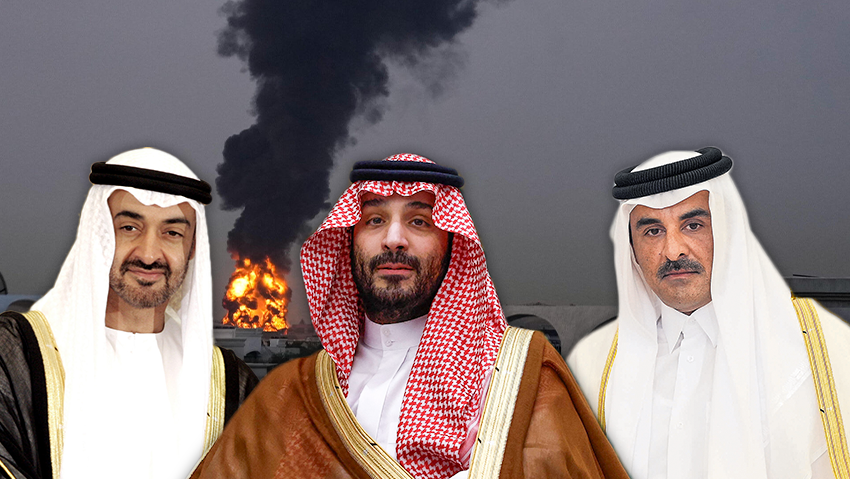
Officials from Saudi Arabia, the United Arab Emirates, Kuwait and Bahrain have conveyed in private conversations that they do not want the military operation to end until there are significant changes in Iran’s leadership or a dramatic shift in its behavior, according to officials who spoke on condition of anonymity because they were not authorized to comment publicly.
The push from Gulf nations comes as Trump vacillates between saying Iran’s weakened leadership is ready to settle the conflict and threatening further escalation if a deal is not reached soon.
At the same time, Trump is struggling to rally public support at home for a war that has left more than 3,000 dead across the Middle East and is rattling the global economy. Still, he has expressed growing confidence that key regional allies — including some that were hesitant before the war — now support the campaign.
“Saudi Arabia’s fighting back hard. Qatar is fighting back. UAE is fighting back. Kuwait’s fighting back. Bahrain’s fighting back,” Trump told reporters aboard Air Force One on Sunday. “They’re all fighting back.”
While regional leaders broadly support U.S. efforts, divisions remain. One Gulf diplomat said Saudi Arabia and the UAE are leading calls to increase military pressure on Tehran.
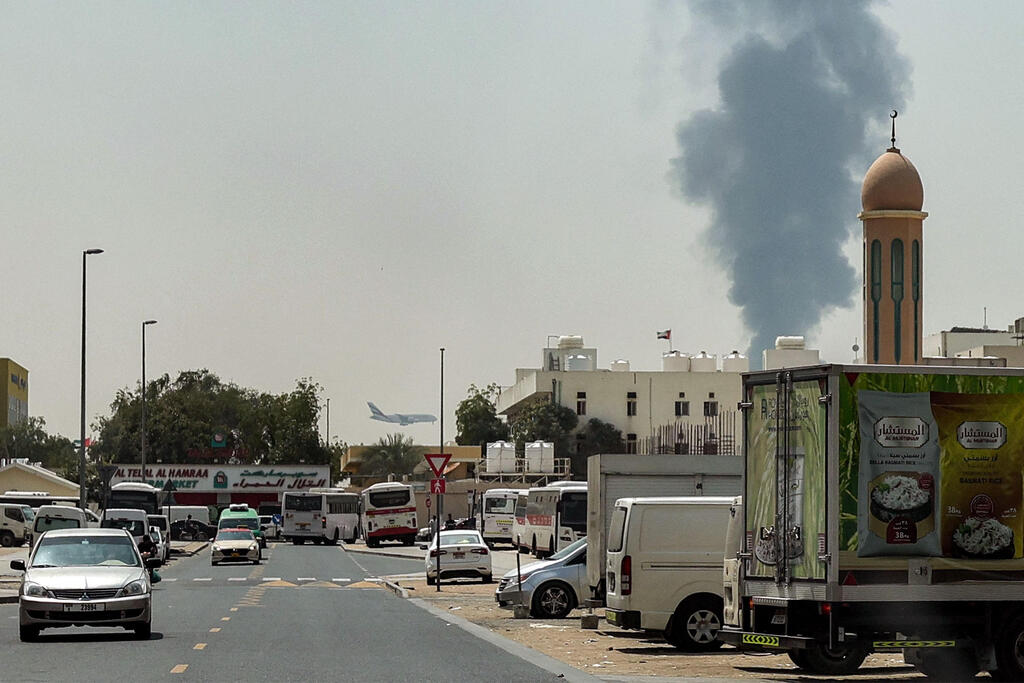
The UAE has emerged as one of the most hawkish countries and is pushing for a U.S. ground invasion, the diplomat said. Kuwait and Bahrain also support that option. The UAE, which has faced more than 2,300 missile and drone attacks from Iran, has grown increasingly frustrated as the conflict drags on and threatens its image as a regional hub for trade and tourism.
Oman and Qatar, which have historically acted as intermediaries between Iran and the West, favor a diplomatic solution.
The diplomat said Saudi Arabia has warned the United States that ending the war now would not produce a “good deal” that guarantees security for Iran’s Arab neighbors.
Saudi officials say any agreement must neutralize Iran’s nuclear program, dismantle its ballistic missile capabilities, end support for proxy groups and ensure the Strait of Hormuz cannot be shut down as it has been during the conflict. About 20% of the world’s oil passed through the waterway before the war.
Achieving those goals would require either major changes to Iran’s ruling system or its removal.
Senior Emirati officials have also sharpened their rhetoric.
“An Iranian regime that launches ballistic missiles at homes, weaponizes global trade and supports proxies is no longer an acceptable feature of the regional landscape,” Noura Al Kaabi, a UAE minister of state for foreign affairs, wrote in a column published Monday in The National. “We want a guarantee that this will never happen again.”
The White House declined to comment on deliberations with Gulf allies. Secretary of State Marco Rubio said Monday that the United States and its Gulf partners are aligned.
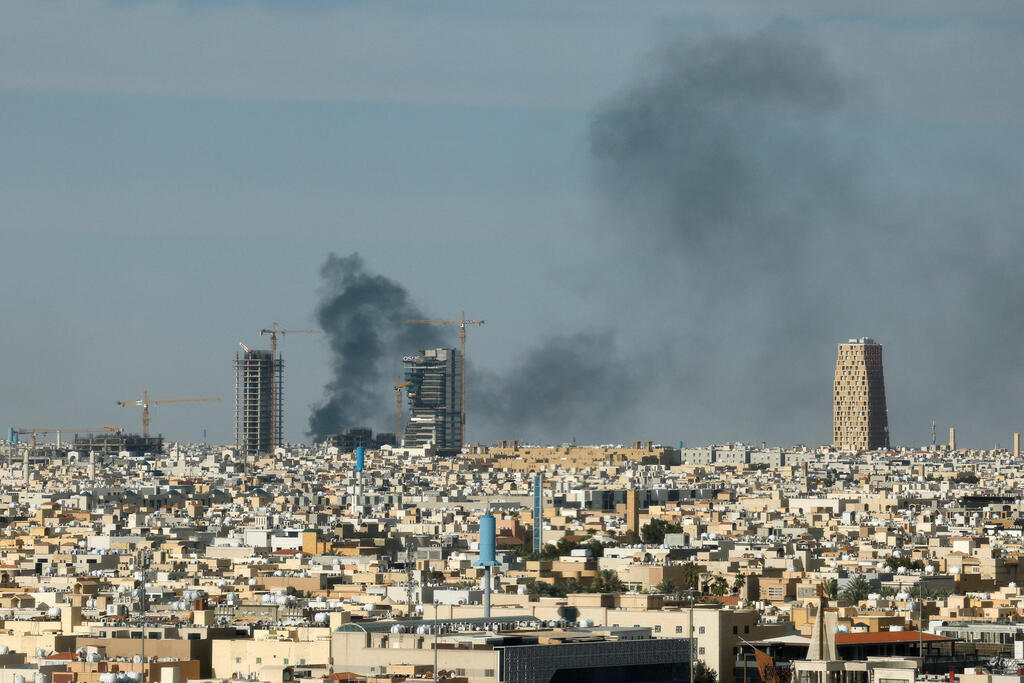
“They are religious zealots who can never be allowed to possess a nuclear weapon because they have an apocalyptic vision of the future,” Rubio said on ABC’s “Good Morning America.” “And all of their neighbors know that, which is why all of their neighbors have been supportive of the efforts we’re conducting.”
Saudi Crown Prince Mohammed bin Salman has told White House officials that further weakening Iran’s military and leadership serves the long-term interests of the region, according to a person briefed on the talks.
At the same time, Saudi officials remain concerned that a prolonged conflict could give Iran more opportunities to strike the kingdom’s energy infrastructure.
A Saudi official said the kingdom ultimately seeks a political solution, but for now is focused on protecting its population and critical infrastructure.
Trump has highlighted what he describes as strong alignment with Gulf countries, while criticizing NATO allies for not joining the fight.
Speaking Friday in Miami at an event sponsored by Saudi Arabia’s sovereign wealth fund, Trump praised Bahrain, Kuwait, Qatar, Saudi Arabia and the UAE for showing “bravery” during the war and called the Saudi crown prince a “warrior” and a “fantastic man.”
He also acknowledged that Gulf countries were initially hesitant about launching the war but said they have since rallied.
“They weren’t thinking this was going to happen, nobody was,” Trump said, referring to Iran’s retaliatory strikes. “And they turned against them and really became very powerfully aligned.”
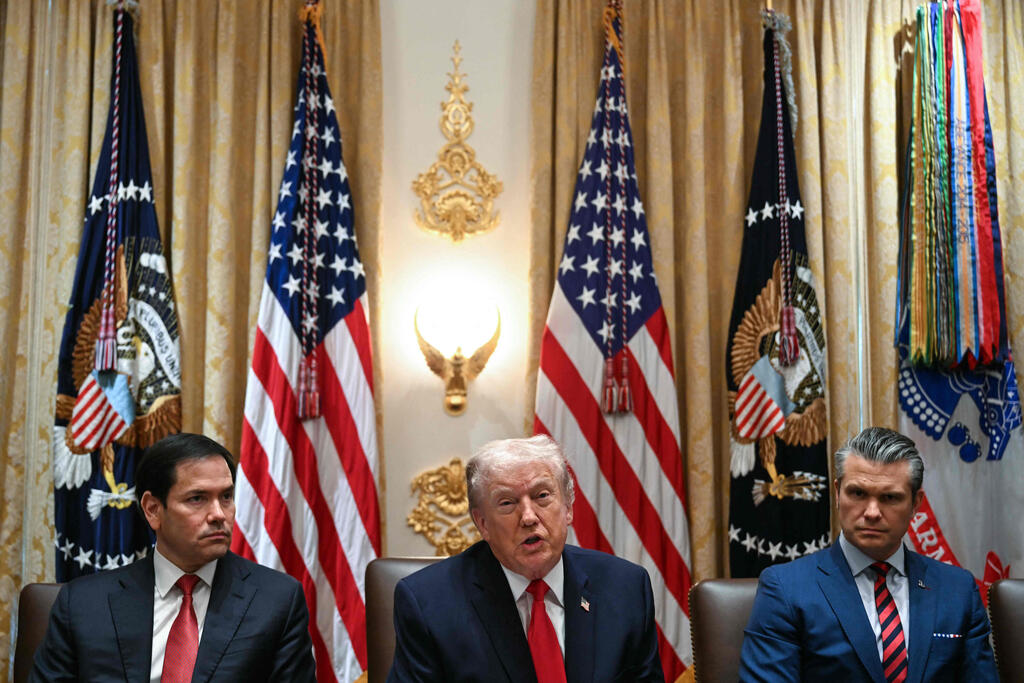
Trump has not called on Gulf nations to take part in offensive operations, in part due to concerns about operational complexity. In the early days of the conflict, three U.S. fighter jets were mistakenly shot down by friendly Kuwaiti fire during an Iranian air assault. All six crew members ejected safely.
Six U.S. service members were also killed on March 12 when a KC-135 refueling aircraft crashed in western Iraq.
Another complicating factor is that only the UAE and Bahrain have formal diplomatic ties with Israel, said Yasmine Farouk of the International Crisis Group.
Iran has warned it could target neighboring countries’ critical infrastructure, including desalination plants, if the United States strikes its power facilities or if the Strait of Hormuz is not reopened.
“The absence of a clear objective, the absence of the trust that the United States is really going to go until the end and finish the job — it’s making some of them reluctant,” Farouk said. “But if there is a consequential or mass-casualty event in one of those countries, then it would be justified for them to become a belligerent.”
First Appeared on
Source link






