


Heart surgeon shares how often you should measure your blood pressure and why: ‘Easiest modifiable risk factor…’
February, recognised as Heart Health Month, serves as a timely reminder to pay closer attention to the numbers that quietly shape our cardiovascular well-being – especially blood pressure. Often dubbed the “silent killer”, hypertension affects nearly one in two Americans, many of whom are unaware they even have it. Despite being one of the most common risk factors for heart disease, high blood pressure is also among the most preventable and manageable.
Dr Jeremy London, a board-certified cardiothoracic surgeon with 25 years of experience, is breaking down the importance of regularly checking your blood pressure, is highlighting the importance of regularly monitoring your blood pressure, calling it one of the most easily preventable and controllable risk factors for cardiovascular disease.
In an Instagram, video shared on February 12, the heart surgeon emphasises, “February is heart health month. When’s the last time you checked your blood pressure? One in two Americans have high blood pressure, and many people don’t even know about it. That’s why it’s referred to as the silent killer.”
A modifiable risk factor
According to Dr London, high blood pressure is one of the most easily modifiable risk factors for cardiovascular disease – yet it often goes unchecked until complications arise. The everyday choices you make now can significantly influence how well your blood pressure is regulated in the years ahead.
He emphasises that maintaining a healthy weight, engaging in regular physical activity and limiting alcohol intake are powerful, evidence-based strategies that support stable blood pressure and overall cardiovascular function. However, lifestyle changes do not always work for everyone. In such cases, prescribed medication becomes essential – and it should be taken consistently and seriously to effectively manage blood pressure and reduce long-term health risks.
The heart surgeon emphasises, “High blood pressure is the easiest modifiable risk factor for cardiovascular disease that we have. Weight control, regular exercise, limiting or avoiding alcohol; and medications are always an option if those things don’t work.”
How often do you need to measure blood pressure?
According to the cardiologist, having your blood pressure checked just once a year during routine health screenings is not sufficient if you truly want to understand your cardiovascular health. For more accurate monitoring, he recommends measuring it twice daily – ideally once in the morning and once in the evening – to track your average patterns over time.
Blood pressure is not a fixed number, and a single reading does not define your health status. It naturally fluctuates throughout the day depending on stress, activity levels, sleep and diet. Regular monitoring helps establish trends, making it easier to identify meaningful changes and determine whether lifestyle adjustments or medical intervention may be needed.
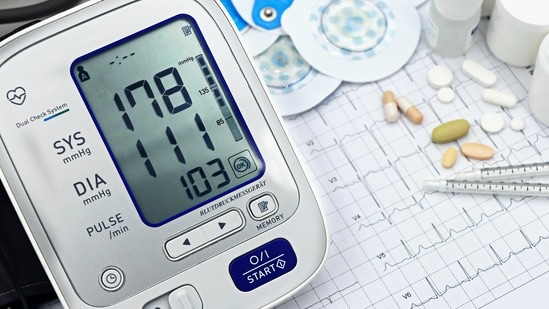
Additionally, readings are often more reliable when taken at home in a calm, relaxed setting rather than in a clinical environment, where anxiety can temporarily elevate numbers. Dr London advises investing in a home blood pressure monitor – reliable digital cuffs are widely available in India on platforms such as Amazon and typically cost between ₹1,500 and ₹2,000 – a small investment for better long-term heart health.
Dr London highlights, “You can get one of these blood pressure cuffs for less than $30 off Amazon. It’s really easy to use and the truth is many of us get our blood pressure checked once a year at our primary care visit and it’s just not enough. You really need to check your blood pressure on a regular basis, morning and evening so that you have an average. You’re not defined by one number. Maximising your health span and decreasing your overall cardiovascular risk can be really complicated. So get the easy stuff right: Check your blood pressure.”
Note to readers: This article is for informational purposes only and not a substitute for professional medical advice. It is based on user-generated content from social media. HT.com has not independently verified the claims and does not endorse them.
First Appeared on
Source link






