


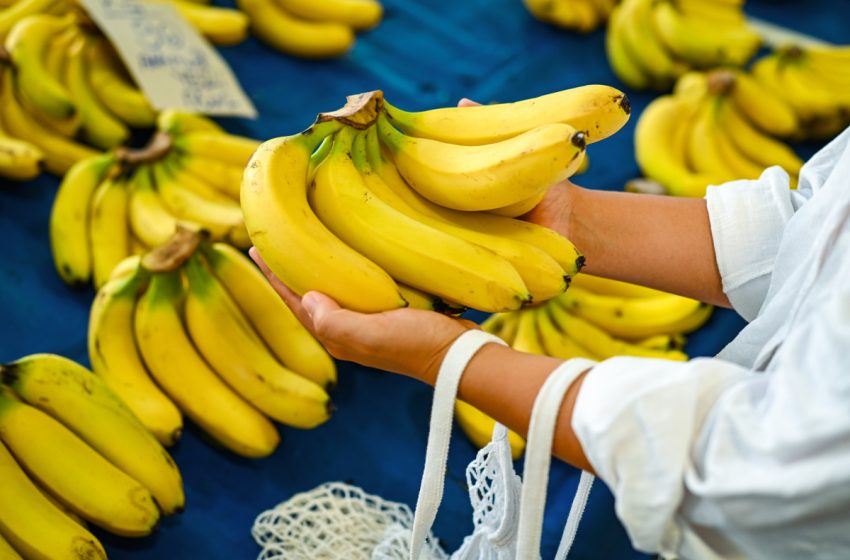
Here’s Exactly What Happens to Your Blood Pressure When You Eat Bananas
Bananas are the most popular fruit in the U.S., purchased more often than apples, berries and grapes. They’re one of the most convenient, affordable fruits, and there’s certainly no shortage of delicious ways to eat them. Bananas taste great with oatmeal, in smoothies, paired with nut butter or enjoyed on their own, freshly peeled.
It’s the foods we eat most often that impact our health the most—including blood pressure. Considering that nearly half of all adults in the U.S. have high blood pressure, the connection between diet and blood pressure is something everyone should have top of mind.
Don’t think it’s that big of a deal? Consider this fact from the Centers for Disease Control and Prevention: In 2023, the most recent year data is available, high blood pressure was the primary or contributing cause of 664,470 deaths in the U.S.
Since bananas are the most widely consumed fruit in the U.S., it’s worth it to think about how this popular fruit impacts blood pressure—for better or for worse. We talked to three cardiologists to find out.
🩺SIGN UP for tips to stay healthy & fit with the top moves, clean eats, health trends & more delivered right to your inbox twice a week💊
Tetra Images/Getty Images
(Tetra Images/Getty Images)
How Eating Bananas Impacts Blood Pressure
According to Dr. Laura Isaacson, MD, RD, CDCES, a cardiologist, registered dietitian and the senior director of clinical dietetics at Vida Health, bananas are very good for blood pressure. “Bananas can help to lower blood pressure because they are rich in potassium,” she says.
Dr. Isaacson explains that potassium helps the body get rid of excess sodium through the kidneys, reducing fluid retention and easing pressure on blood vessel walls. That means that eating a banana can be especially beneficial if you’ve recently eaten something salty.
Related: The One Habit That Can Lower Your Blood Pressure Overnight, According to a Cardiologist
While bananas certainly support blood pressure, don’t expect a major decrease immediately after eating one. Dr. Ragavendra Baliga, MBBS, a cardiologist at The Ohio State University Wexner Medical Center, says that the decrease is more moderate, both immediately and long-term. Echoing Dr. Isaacson, he explains that the potassium in bananas blunts the effects of sodium, leading to a small decrease in blood pressure.
But that doesn’t mean the decrease isn’t noteworthy. Dr. Rajeev L. Narayan, MD, a cardiologist with Nuvance Health, explains it this way: “Potassium helps the body counterbalance sodium, which is one of the biggest dietary drivers of high blood pressure. It also helps blood vessels relax, improving blood flow and lowering pressure within the arteries. In simple terms, potassium helps take the pressure off your blood vessels—literally.”
Related: When To Worry About Changes in Your Blood Pressure, According to Cardiologists
Wondering if eating two bananas will have a bigger impact than eating just one? It won’t. “The benefits plateau,” Dr. Baliga says.
Dr. Narayan agrees. “Eating more doesn’t necessarily mean better results,” he explains, adding that one a day is enough to benefit the cardiovascular system. “Eating multiple bananas won’t double the blood-pressure effect and may add excess calories or potassium.”
It is important to note that bananas can interfere with certain medications. “People taking medications that raise potassium levels—such as ACE inhibitors, ARBs [used to treat high blood pressure, heart failure and kidney disease] or potassium-sparing diuretics—should be mindful. Patients with kidney disease should also be cautious. If you’re on heart or blood pressure medications, it’s always smart to ask before dramatically increasing potassium intake,” Dr. Narayan says.
Related: Cardiologists Are Begging You to Never Skip One Thing When Checking Your Blood Pressure at Home
How Eating Bananas Regularly Supports Cardiovascular Health
If you do eat bananas regularly long-term, your entire cardiovascular system will benefit. Besides supporting blood pressure, all three cardiologists say that the fiber and antioxidants in bananas help lower LDL cholesterol and contribute to overall improved cardiovascular health.
One 2024 study published in Frontiers in Nutrition found that people with high blood pressure who regularly ate apples and bananas three to six times a week had a noteworthy decrease in their risk of cardiovascular disease.
“Bananas contain soluble fiber, particularly pectin, which helps lower LDL cholesterol by binding to it in the gut, so less is absorbed into the bloodstream,” Dr. Isaacson says. She also points out that bananas are filling, which means that bananas can play a role in weight management. This is important because maintaining a healthy weight is key to looking after your heart.
Besides the potassium and fiber, Dr. Isaacson explains that the magnesium in bananas plays an important role in maintaining a steady heart rhythm and healthy muscle function. “It helps the heart to contract and relax efficiently and supports better blood flow by relaxing blood vessels,” she explains.
Bananas are certainly a heart-healthy food, but all three cardiologists emphasize that what’s most important is to eat a wide range of nutrient-rich foods. Eating a banana a day can’t make up for having unhealthy dietary habits the rest of the day.
“Bananas are helpful, but they’re not a replacement for medication or other lifestyle changes when those are needed. No single food fixes blood pressure, but bananas are a great piece of the puzzle,” Dr. Narayan says.
Remember, bananas are just one of many fruits that support blood pressure. Eating them regularly is a great habit, but so is switching it up and having berries or an apple every now and then too.
Up Next:
Related: This Is the Worst Frozen Food for Heart Health, According To Registered Dietitians
Sources:
This story was originally published by Parade on Feb 16, 2026, where it first appeared in the Health & Wellness section. Add Parade as a Preferred Source by clicking here.
First Appeared on
Source link






