


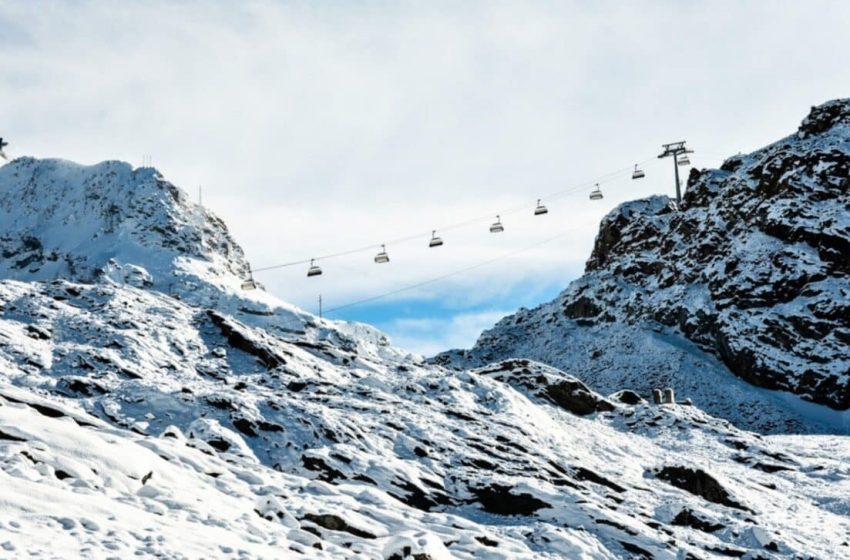
Here’s the Pay and What You’d Do
A research project in Italy is recruiting healthy volunteers to live at 2,300 meters in the Stelvio National Park for four weeks. Participants receive free accommodation and meals plus a €400 stipend for joining the altitude research study.
The study, called Mahe (Moderate Altitude Healthy Exposure) , runs from August to September 2026. Researchers want to understand how your body adapts to altitude at moderate elevations, a topic surprisingly understudied compared to extreme altitudes above 3,000 or 4,000 meters.
What the Study Actually Measures
Scientists from Eurac Research will monitor several physiological indicators during the month-long stay as a mountain refuge volunteer. These include heart and lung function, metabolism, sleep patterns, appetite, and physical endurance.
The research fills a gap. About 200 million people worldwide live at altitudes above 2,000 meters year-round. Millions more visit such areas for tourism or recreation. Yet nearly all existing altitude research focuses on extreme elevations above 3,000 to 4,000 meters, where the body behaves very differently.
At moderate altitude, roughly 2,300 meters, the physiological changes are less dramatic but affect far more people. The study aims to produce baseline data on moderate altitude health effects that simply does not exist yet.
Who Can Apply for the Paid Mountain Study
The project seeks healthy men and women aged 18 to 40. Several conditions disqualify applicants: chronic illness, heavy drinking, smoking, drug use, or intensive training more than twice per week.
Participants also cannot have spent time above 1,500 meters for at least one month before the project begins. This restriction ensures that the body starts from a true low-altitude baseline before researchers introduce the mountain environment.
The study has three phases. Volunteers spend the first week in Silandro, a town at 720 meters, where scientists take baseline measurements. Then comes the four-week stay at the Nino Corsi refuge at 2,300 meters. Finally, participants spend one week in Bolzano for follow-up medical examinations.
Remote Work in the Alps While Researchers Collect Data
During the month at the refuge, volunteers can use their time freely. The project explicitly allows remote work in the Alps, studying, or simply relaxing in the alpine environment. The stipend is €400, which covers incidental expenses while accommodation and all meals remain free.
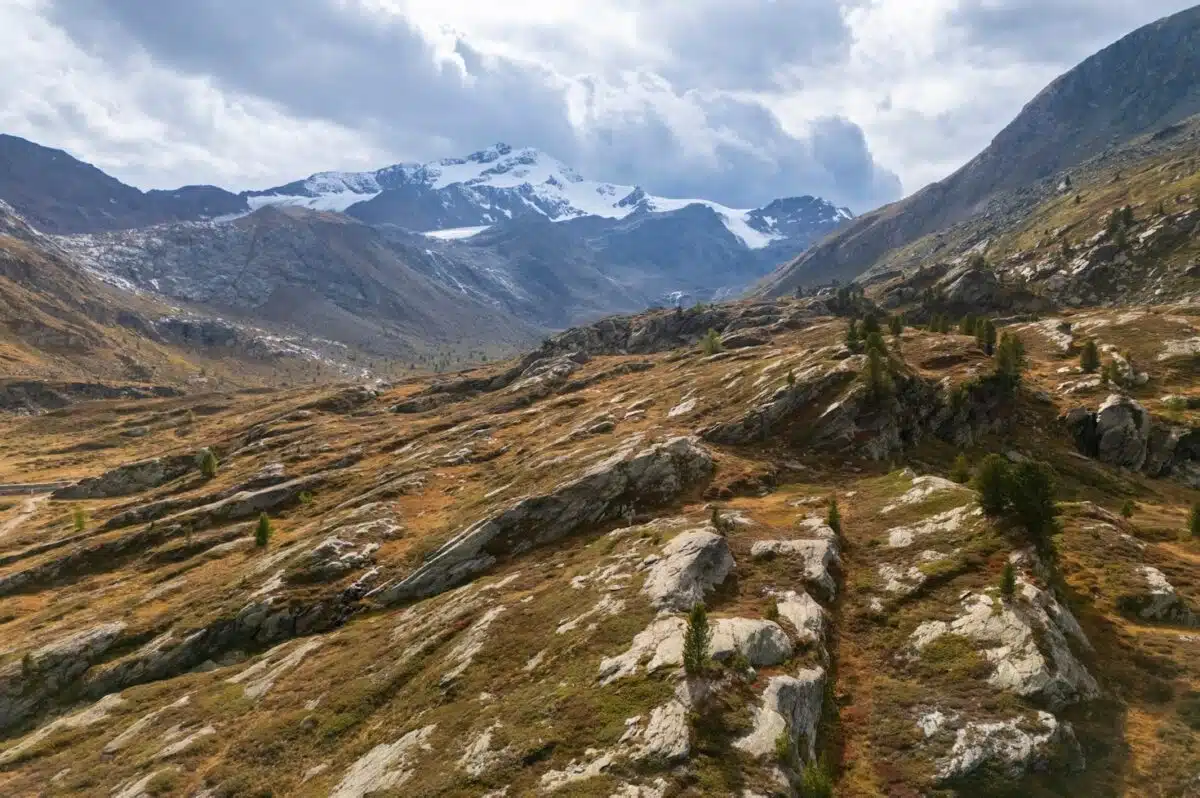
The Nino Corsi refuge sits inside the Stelvio National Park, one of Italy’s largest protected areas. The park spans the border between Lombardy and Trentino-Alto Adige, with terrain ranging from valley forests to permanent snowfields.
For anyone who has considered an extended stay in the Alps, this study removes the usual barriers of lodging and food costs while adding a scientific purpose. The trade-off is participation in regular monitoring, meaning you cannot treat it as a pure vacation. Researchers need consistent data collection throughout the month.
Why Moderate Altitude Matters for Your Body
The human body responds to altitude by increasing breathing rate, raising heart output, and producing more red blood cells. At extreme altitudes, these changes can become dangerous. At moderate altitudes, the adjustments are subtler and potentially beneficial for certain health conditions, though the research remains incomplete.
The Mahe study will provide controlled data on how average healthy people, not elite athletes or altitude specialists, respond to four weeks at 2,300 meters. Participants with intensive training habits are excluded precisely because researchers want results applicable to the general population, not to endurance athletes.
Applications are open now for the August to September 2026 session. Interested volunteers should contact Eurac Research directly, as the official project page recently experienced high traffic volumes. The experiment will run once with a fixed number of slots, and researchers expect to publish their findings in peer-reviewed journals after data collection and analysis conclude.
First Appeared on
Source link






