


Hidden in Portuguese Cliffs, Scientists Just Found a Perfectly Preserved Crocodile Egg from the Jurassic
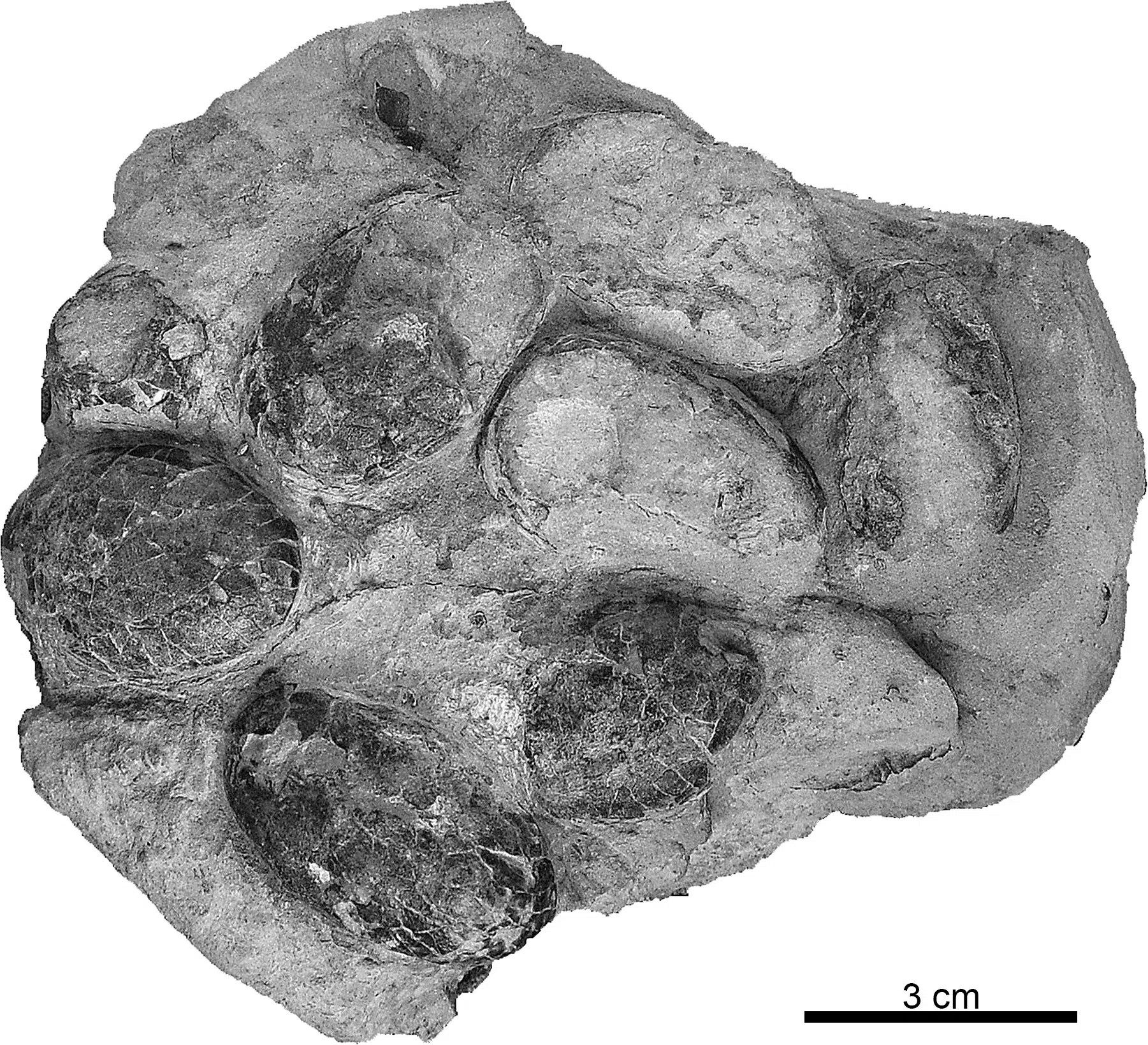
A series of 152-million-year-old crocodilian eggs discovered in western Portugal is reshaping what scientists know about early crocodile evolution. Found within a dinosaur nesting site near the village of Lourinhã, the discovery stands out for both its age and preservation. As the researchers cited in PLOS ONE, these are the oldest crocodilian eggs ever identified, extending the known fossil record of such eggs by around 40 million years.
Crocodilians first appeared roughly 200 million years ago, living alongside early dinosaurs and occupying a wide range of ecological niches. As João Russo of Universidade Nova de Lisboa explained, their ancient relatives were far more diverse than modern species, varying in diet, morphology, and habitat.
This Fossil Wasn’t Supposed to Exist
The eggs date back to the Late Jurassic, making them significantly older than any previously known crocodilian eggs. According to João Russo, this pushes the fossil record further into the past and provides new evidence of early reproductive strategies.
“The fact that they are from the Late Jurassic makes these eggs the oldest crocodilian eggs known so far,” he added, “This new discovery from Portugal extends the knowledge of this type of egg by approximately 40 million years.”
The fossils were uncovered over several excavation campaigns at a well-known dinosaur nesting site. Researchers identified multiple clutches of eggs, suggesting repeated nesting activity in the same area. Their age and context firmly place them among the earliest direct evidence of crocodile reproduction.
Eggs That Barely Changed In 150 Million Years
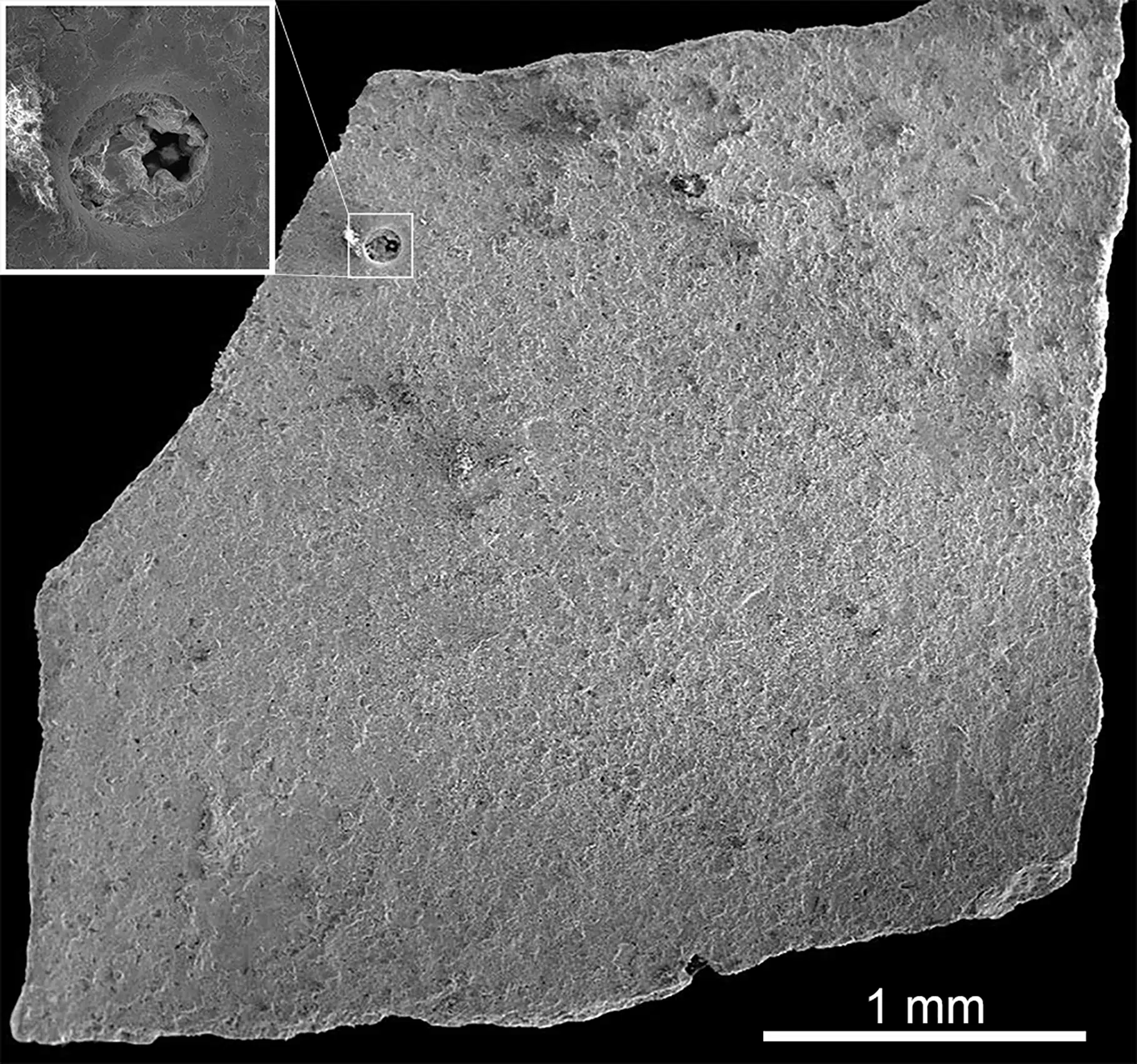
One of the more surprising findings lies in the striking similarity between these ancient eggs and those of modern crocodiles. Their shape and structure appear nearly identical, pointing to a remarkable evolutionary stability.
The study published in PLOS ONE showed the consistency suggests that crocodilian reproductive biology has remained largely unchanged for over 150 million years. That kind of continuity is rare, especially in a lineage that otherwise showed considerable diversity in form and behavior.
Something Unexpected Was Living Alongside Dinosaur Eggs
The presence of crocodilian eggs within a dinosaur nesting ground raises unresolved questions. Scientists have yet to determine why both species used the same area, or whether this overlap reflects shared environmental preferences.
“The fossil record tells us that crocodiles and their relatives (forming the larger group of crocodylomorphs) were much more diverse in the past, with different feeding habits, ecological niche distribution or morphology,” Russo stated
At the time, large dinosaurs dominated terrestrial ecosystems, while early crocodile relatives occupied different roles. As the team involved in the study noted, this coexistence hints at a more complex ecosystem than previously understood, where multiple species may have nested in close proximity.
First Appeared on
Source link






