


How Apple’s AI Pin Could Transform Hands-Free Technology
Apple is reportedly working on an AI-powered wearable device that could transform how you interact with technology in your daily life. Designed to integrate seamlessly into Apple’s ecosystem, this compact device—similar in size and appearance to an AirTag—aims to deliver hands-free AI assistance. If successful, it could establish a new benchmark for wearable technology. However, its ultimate impact will depend on Apple’s ability to navigate challenges related to design, functionality, and market positioning. The video below from Tech Town gives us more details about the rumored Apple AI Pin.

What Is the AI Wearable? Key Features and Design
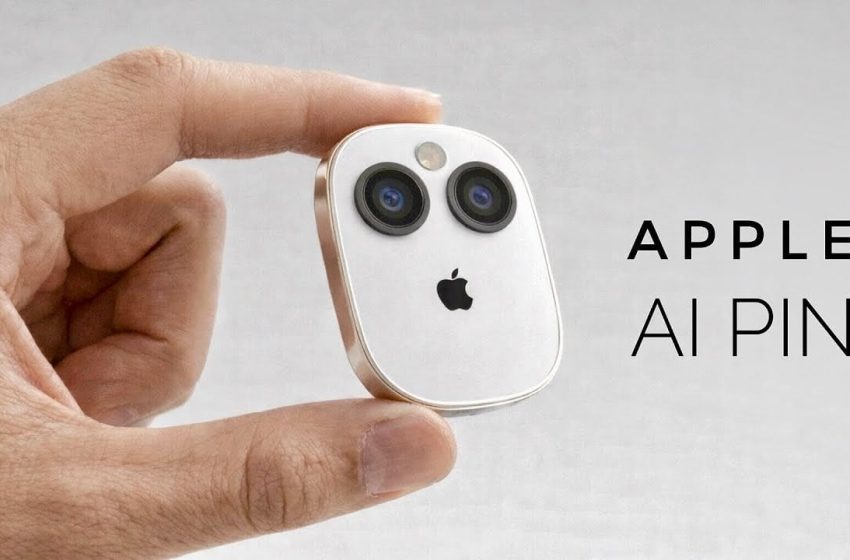
Apple’s conceptual design for this wearable emphasizes a sleek, circular device crafted from aluminum and glass, staying true to the company’s signature minimalist aesthetic. Despite its compact size, the device is expected to incorporate advanced hardware components that enhance its functionality. These include:
- Cameras for video recording and photo capture
- Microphones for ambient audio detection and voice commands
- A speaker for audio playback
- A physical button for manual controls
- Wireless charging for added convenience
What truly sets this wearable apart is its deep integration with artificial intelligence. At its core is an upgraded version of Siri, Apple’s virtual assistant, designed to provide real-time, hands-free support. Whether you’re capturing a moment, retrieving information, or managing tasks, the device aims to simplify interactions through voice commands and intelligent automation. This focus on intuitive usability could make it a valuable tool for users seeking efficiency in their daily routines.
AI at the Core: Seamless Ecosystem Integration
The wearable’s AI capabilities are designed to function harmoniously within Apple’s broader ecosystem. It is expected to operate both as a standalone device and as a companion to other Apple products, such as the iPhone and Apple Watch. This dual-purpose functionality underscores Apple’s strategy of creating a cohesive network of devices that complement and enhance one another.
A standout feature of the wearable is its next-generation Siri chatbot, which promises contextual and intelligent responses. For example, the device could analyze ambient sounds to offer relevant suggestions or actions based on your surroundings. Imagine walking into a noisy café and having the wearable automatically suggest noise-canceling settings or provide reminders without requiring manual input. This level of AI-driven interaction could elevate wearable technology, making it an indispensable tool for users who value convenience and seamless integration.
Market Positioning: Opportunities and Competition
Apple faces a critical challenge in positioning this wearable within the competitive technology market. The device must distinguish itself from existing products while addressing the limitations of previous AI wearables. One key consideration is whether Apple will market it as a standalone product or as an accessory that enhances the functionality of other Apple devices.
The wearable technology market is becoming increasingly crowded, with companies like OpenAI and Google exploring similar concepts. This growing interest highlights the need for Apple to deliver a product that excels in design, functionality, and user experience. To succeed, Apple must demonstrate how its wearable offers unique value, such as superior AI capabilities, seamless ecosystem integration, and practical applications that resonate with users.
Challenges and the Road Ahead
Developing a device of this complexity presents significant challenges. Apple must address technical hurdles, such as making sure reliable performance, optimizing battery life, and achieving seamless integration with its ecosystem. Additionally, the company must navigate potential delays or even the risk of project cancellations, given the ambitious nature of the wearable.
Rumors suggest that the device is still in its early development stages, with a potential launch date projected around 2027. This timeline gives Apple the opportunity to refine the product and address any technical or market-related issues. If Apple can overcome these challenges and deliver a device that meets user expectations, this wearable could redefine the role of AI in personal technology. Its success will depend on creating a user experience that is not only innovative but also practical, intuitive, and reliable.
The Potential Impact of Apple’s AI Wearable
Apple’s AI-powered wearable represents a bold step toward the future of hands-free technology. By combining advanced AI capabilities with a compact, user-friendly design, the device has the potential to transform how you interact with artificial intelligence in your daily life. Its seamless integration into Apple’s ecosystem and the inclusion of next-generation Siri could position it as a standout innovation in the wearable technology market.
However, the road to success is not without obstacles. Apple must address technical, design, and market challenges to ensure the device delivers on its promise. If successful, this wearable could become a defining milestone in the evolution of AI-powered personal technology, offering users a new level of convenience, efficiency, and connectivity. As the wearable technology landscape continues to evolve, Apple’s innovation could pave the way for a new era of intelligent, hands-free interaction.
Explore further guides and articles from our vast library that you may find relevant to your interests in AI-Powered Wearable Device.
Source & Image Credit: Tech Town
Filed Under: AI, Apple, Technology News, Top News
Latest Geeky Gadgets Deals
Disclosure: Some of our articles include affiliate links. If you buy something through one of these links, Geeky Gadgets may earn an affiliate commission. Learn about our Disclosure Policy.
First Appeared on
Source link






