


How To Make Vegetables More Nutritious In 1 Simple Step
While all vegetables pack a nutritional punch, how you prepare them before cooking can affect how many protective compounds your body actually absorbs. Experts say there’s one simple trick that can boost a key compound linked to reduced inflammation and stronger cellular protection, without requiring a complete overhaul of your diet.
If you have a knife, you can take advantage.
There’s A Health Boost Hiding In Cruciferous Vegetables
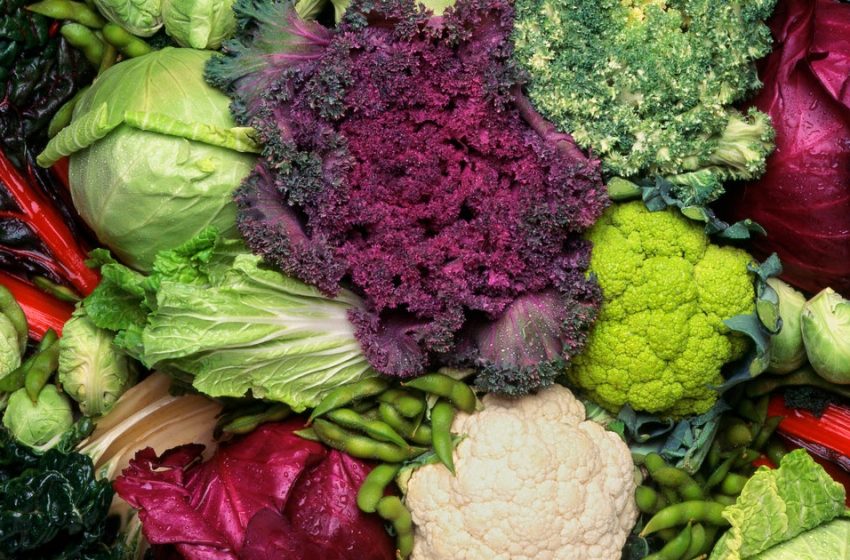
Found in cruciferous vegetables like broccoli, cabbage and kale, sulforaphane is a sulfur-rich compound that has shown significant promise for a range of potential health benefits, particularly when it comes to reducing inflammation and oxidative stress, two key contributors to many chronic, lifestyle-related diseases. Marra Burroughs, a doctor of clinical nutrition, registered dietitian and founder of Marra Burroughs Nutrition, notes that the compound works by activating what’s known as the Nrf2 pathway, a built-in cellular system that helps regulate the body’s antioxidant and anti-inflammatory defenses.
Sulforaphane is also being studied for its metabolic and heart-health benefits. Recent research suggests it may help improve blood sugar control in people with type 2 diabetes and metabolic syndrome, as well as support cardiovascular health. “Some small trials suggest that individuals consuming sulforaphane-rich foods or extracts may experience improvements in cholesterol levels, lipid profiles and other cardiovascular risk markers,” Burroughs said.
There’s also growing interest in sulforaphane’s potential role in cancer prevention. Early clinical trials suggest the compound may influence biomarkers associated with cancer development and help slow certain cellular changes linked to tumor formation.
NightAndDayImages via Getty Images
Chopping Your Cruciferous Vegetables Can Change Their Chemistry
Sulforaphane isn’t stored in cruciferous vegetables in its active form. Instead, these vegetables contain two separate components: glucoraphanin, a sulfur-containing compound, and the enzyme myrosinase, which interacts only under specific conditions. As Burroughs explains, “When the vegetables are chopped or crushed, the plant cell walls are damaged, allowing myrosinase to come into contact with glucoraphanin.” From there, the enzyme converts glucoraphanin into sulforaphane.
For dietary sources high in glucoraphanin, Michelle Routhenstein, a preventive cardiology dietitian and certified diabetes educator, recommends broccoli sprouts and regular broccoli, along with other cruciferous vegetables like brussels sprouts, kale, cabbage and arugula. For each meal, aim for about half a cup of broccoli sprouts, a cup of raw or lightly steamed broccoli, half to one cup of cooked brussels sprouts, or one to two cups of raw leafy greens like kale, cabbage or arugula — all chopped, of course. “These portions can fit easily into everyday meals and help ensure you are getting sulforaphane without overcomplicating your diet,” Routhenstein said.
Then Let Them Sit For 30 Minutes — Here’s Why
Giving cruciferous vegetables about 30 to 40 minutes to sit before cooking allows the enzymatic reaction to complete after chopping, helping ensure more sulforaphane is formed. “This step is important because myrosinase is heat-sensitive,” Burroughs said. “If the vegetables are heated immediately after being cut, high temperatures can denature the enzyme, limiting further conversion of glucoraphanin into sulforaphane.”
For those who rely on frozen, canned or pre-chopped vegetables, these options can lose some enzyme activity during processing and storage, which may reduce sulforaphane formation, though they still contain glucoraphanin. “Frozen vegetables are usually blanched, which inactivates the enzyme, and canned cruciferous vegetables are heated long enough to destroy both the enzyme and some glucoraphanin,” Routhenstein explained. The upside: they still deliver fiber and other nutrients, even if sulforaphane levels are lower.
How You Cook Matters, Too
Preparation and heat both influence how much sulforaphane ultimately makes it to your plate. “Long boiling, high-power microwaving, or extended pressure cooking should be avoided, because these methods destroy the enzyme and wash away valuable compounds into the cooking water,” Routhenstein said.
Roasting can also affect sulforaphane levels, since sustained heat can deactivate myrosinase. Research on broccoli suggests temperatures around 158° Fahrenheit or higher significantly reduce sulforaphane production, so enzymes can be quickly inactivated once the vegetables enter the oven.
Quick methods tend to be gentler. Brief microwaving or a fast stir-fry can help retain more of the compound, and lightly steaming vegetables for three to four minutes until they’re bright green and tender-crisp preserves most of it. “Eating cruciferous vegetables raw, like in salads, slaws or with sprouts, preserves the enzyme completely,” Routhenstein said.
How Much Does This Really Matter?
At the cellular level, sulforaphane works primarily by activating AMP-activated protein kinase (AMPK), a key enzyme that helps your body regulate how cells use and produce energy, especially during metabolic stress when energy is low. That activation then switches on Nrf2 to signal cells to ramp up production of antioxidant and detoxifying enzymes that help protect against damage.
“It’s important to keep this in perspective,” Sears said, noting what benefits are realistically achievable from increasing sulforaphane intake through food. “While sulforaphane can contribute to AMPK activation, the most powerful and consistent activator of AMPK remains calorie restriction and overall metabolic balance.” Adding more broccoli to your plate can support healthy metabolic signaling, but it won’t cancel out an overall pattern of poor eating habits.
That doesn’t mean it’s not worthwhile, though. “Over time, consistent intake of properly prepared cruciferous vegetables may support improved oxidative stress management and cellular defense systems,” Sears said. “The benefits are cumulative and subtle rather than dramatic or immediate, but meaningful as part of a comprehensive metabolic strategy.”
Routhenstein echoes that bigger-picture view, as overall eating patterns, like the Mediterranean diet rich in vegetables, legumes, whole grains and minimally processed foods, have the strongest impact on long-term health outcomes, including cancer and heart health. She said, “Including sulforaphane-rich foods within these broader dietary patterns is likely to provide more benefit than consuming them in isolation.”
First Appeared on
Source link






